






































More about Floats
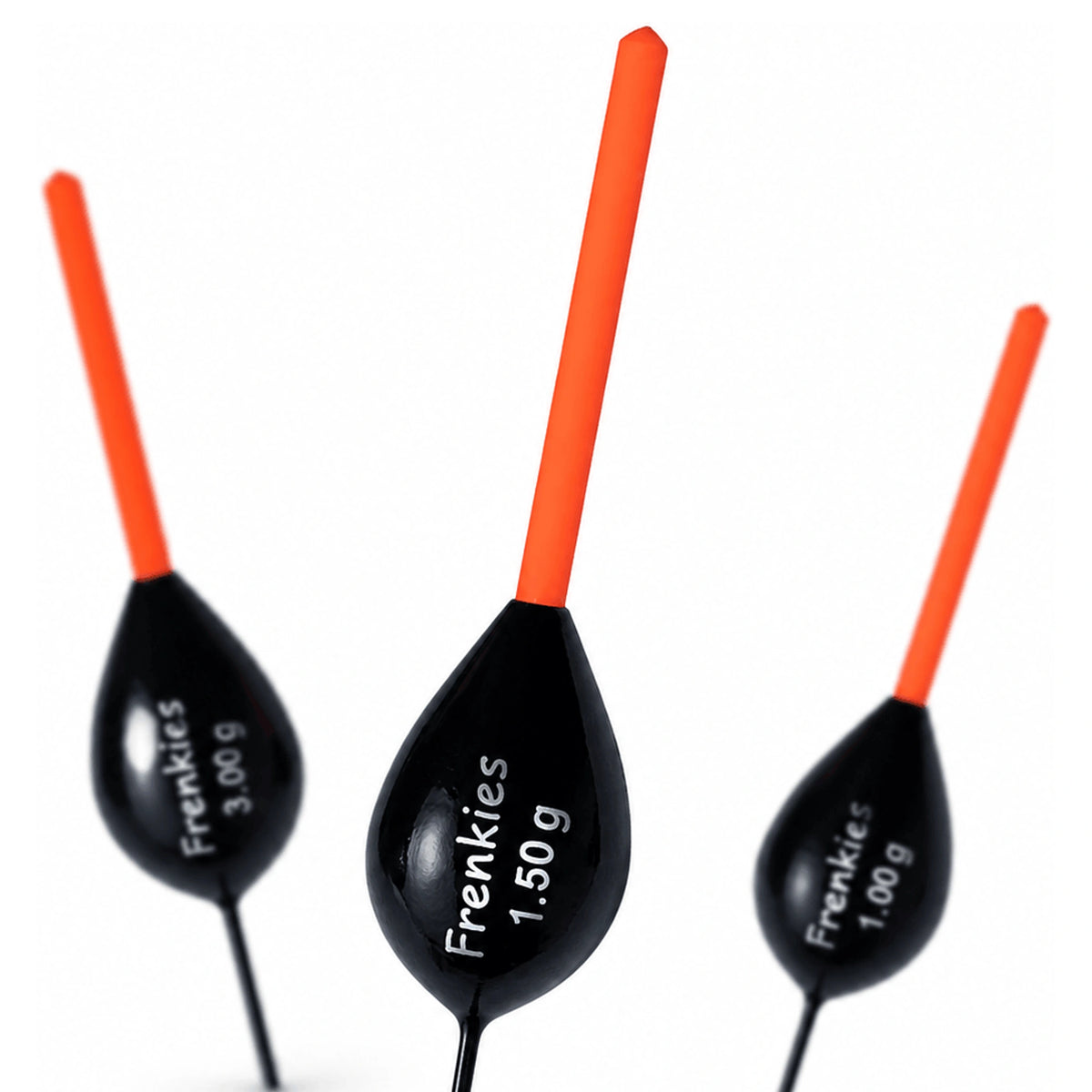
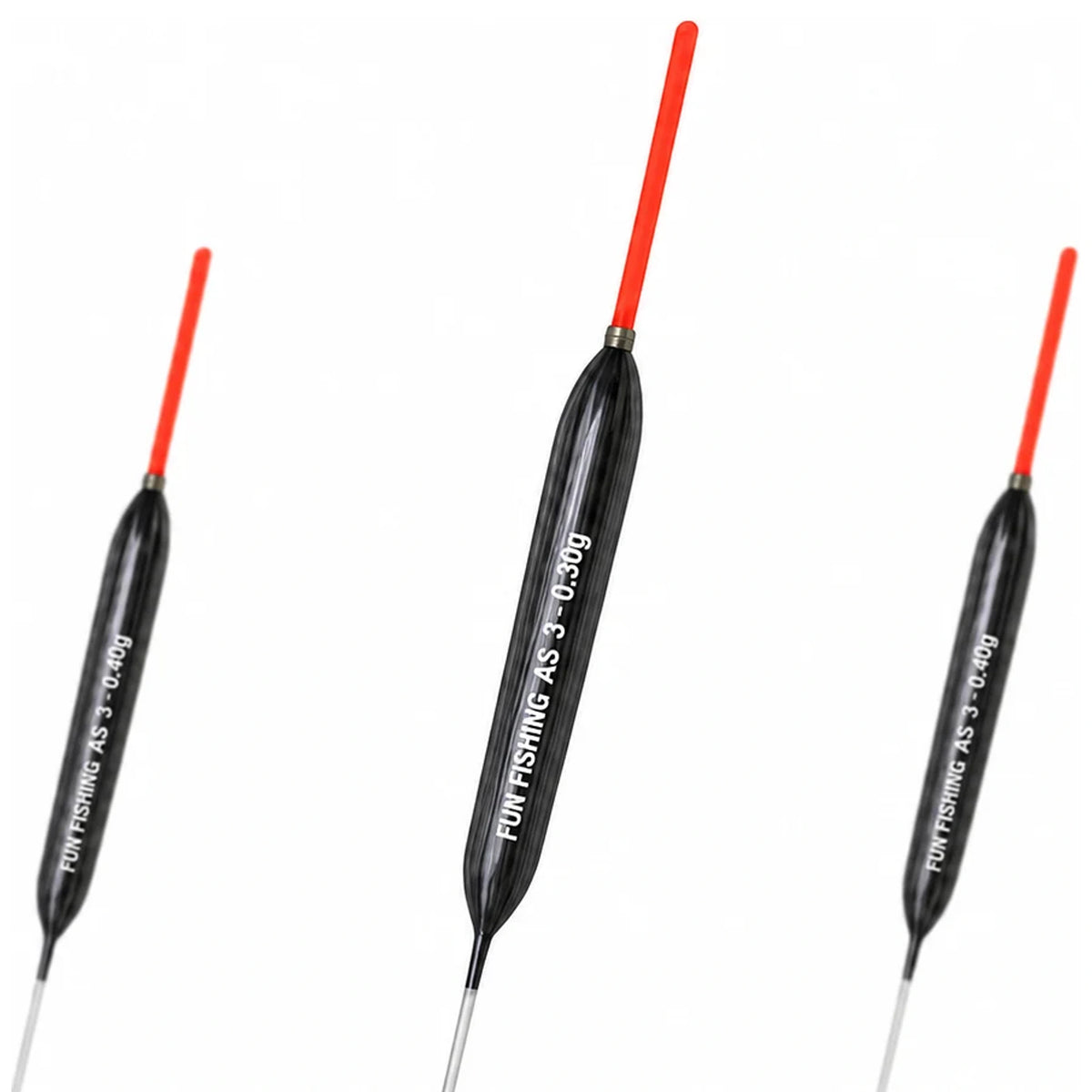
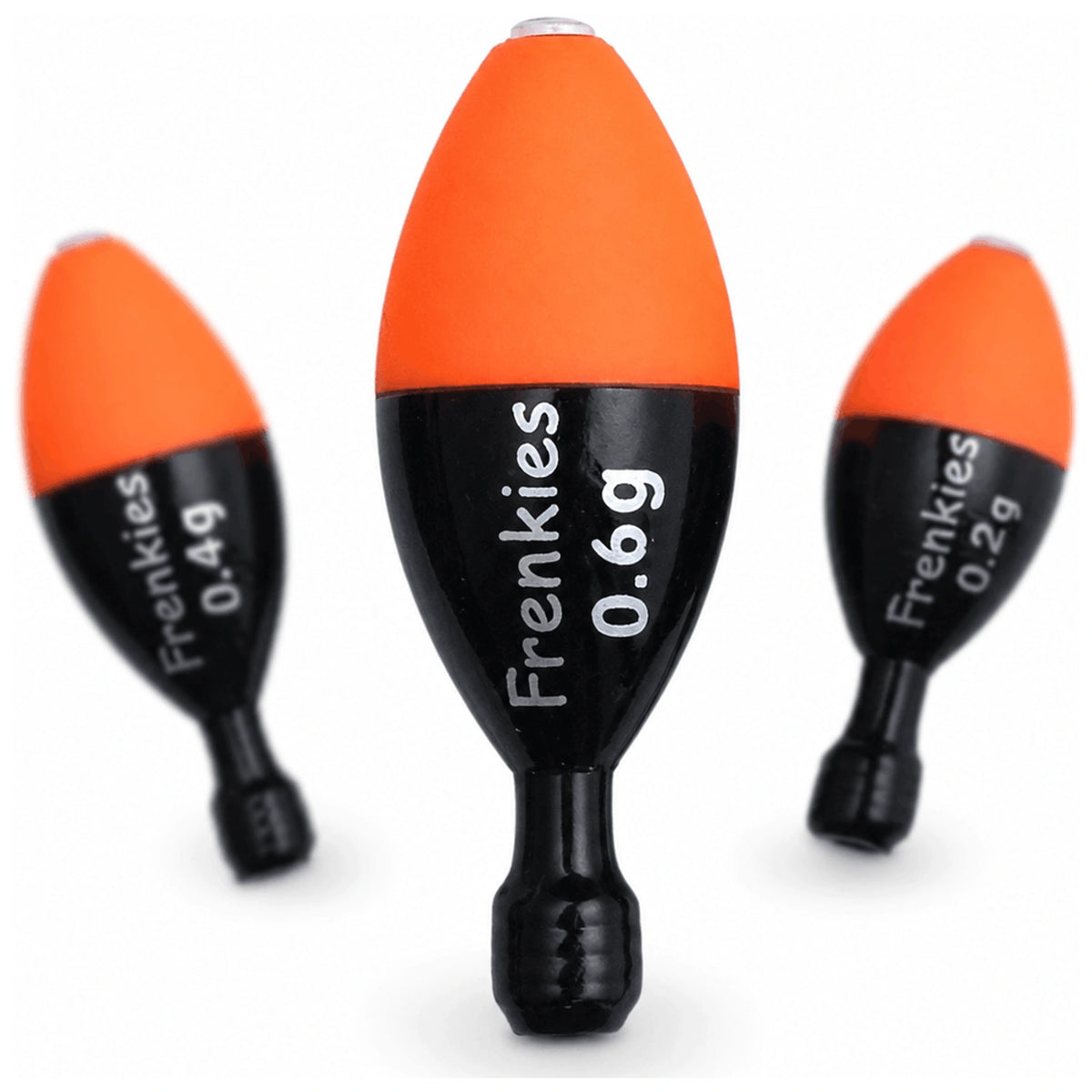
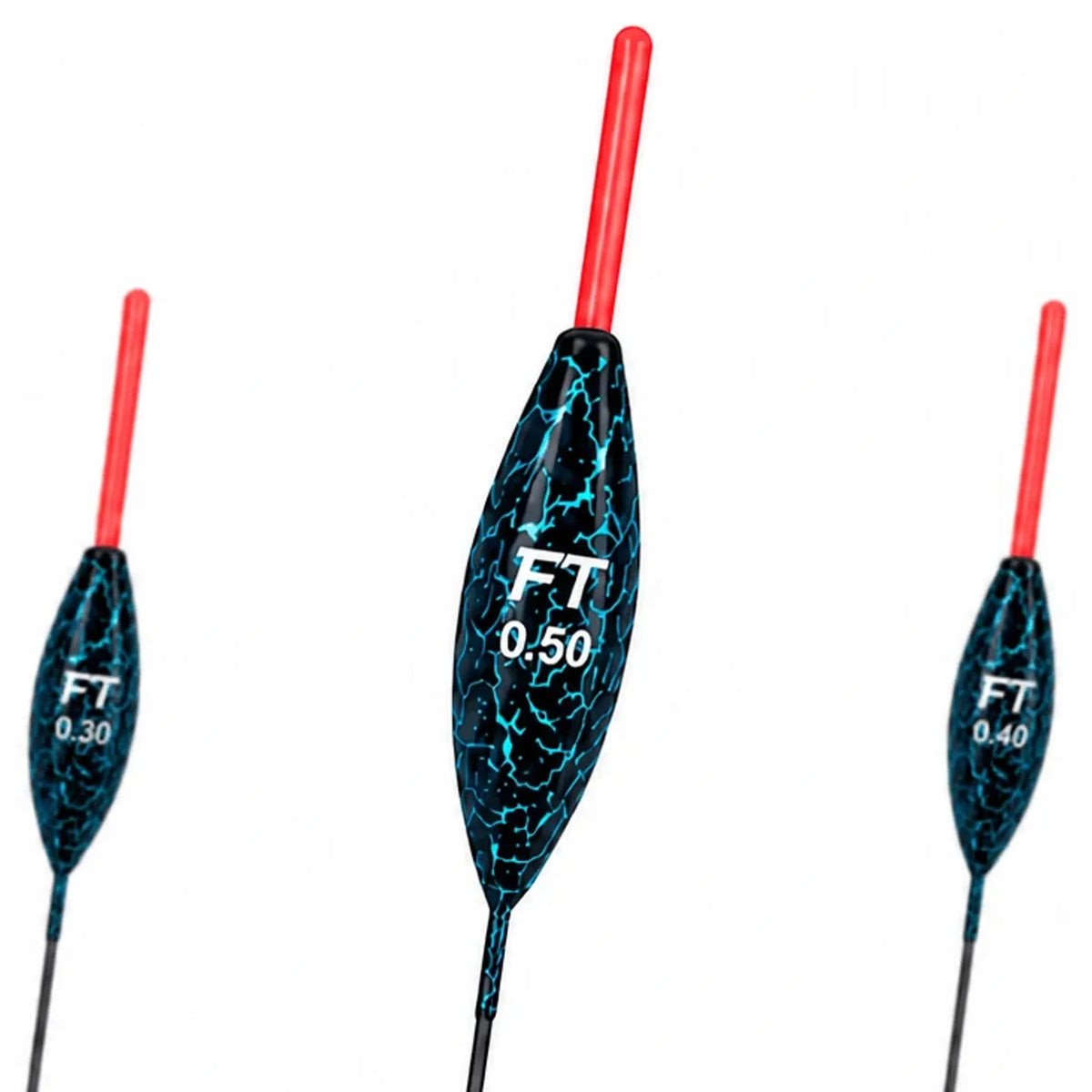
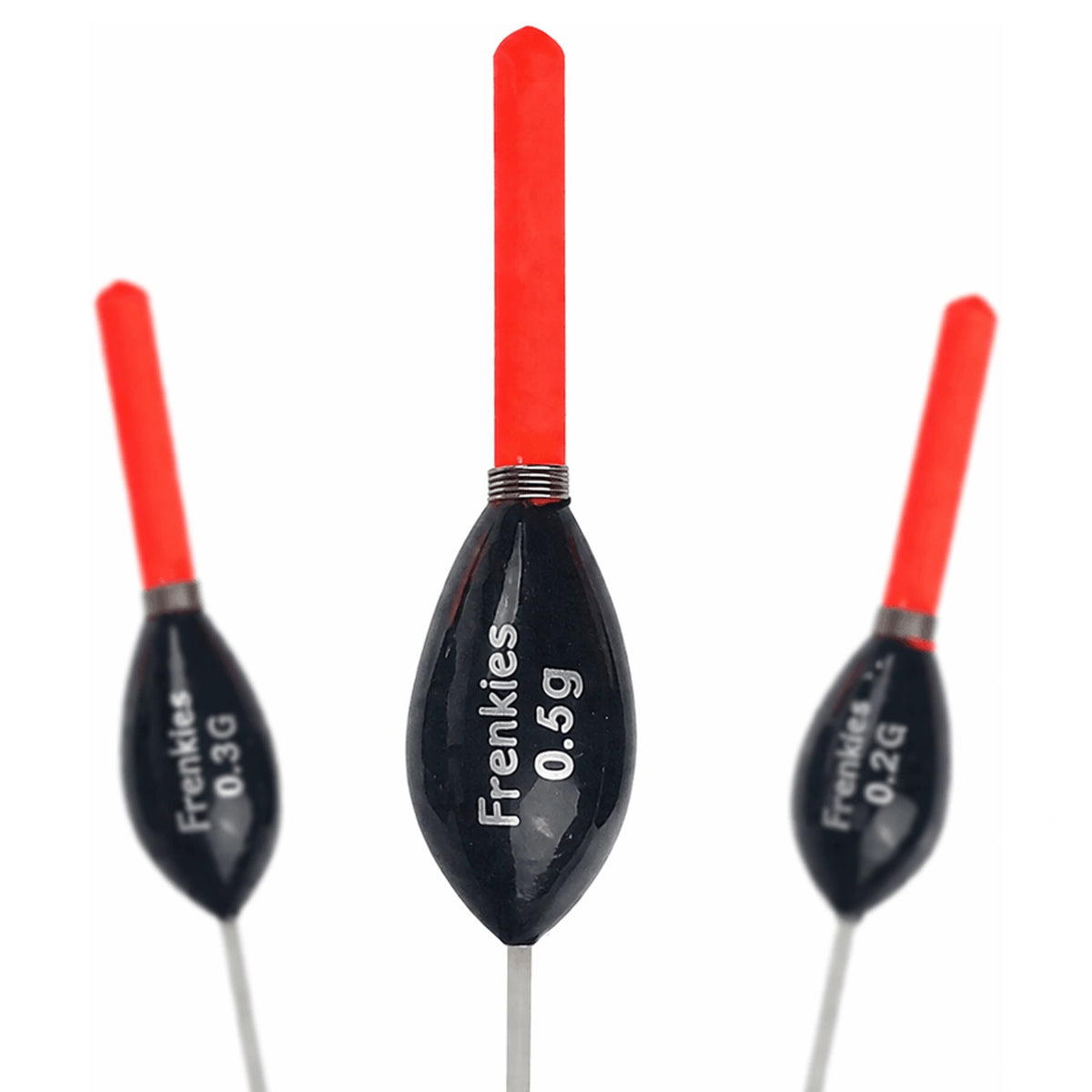
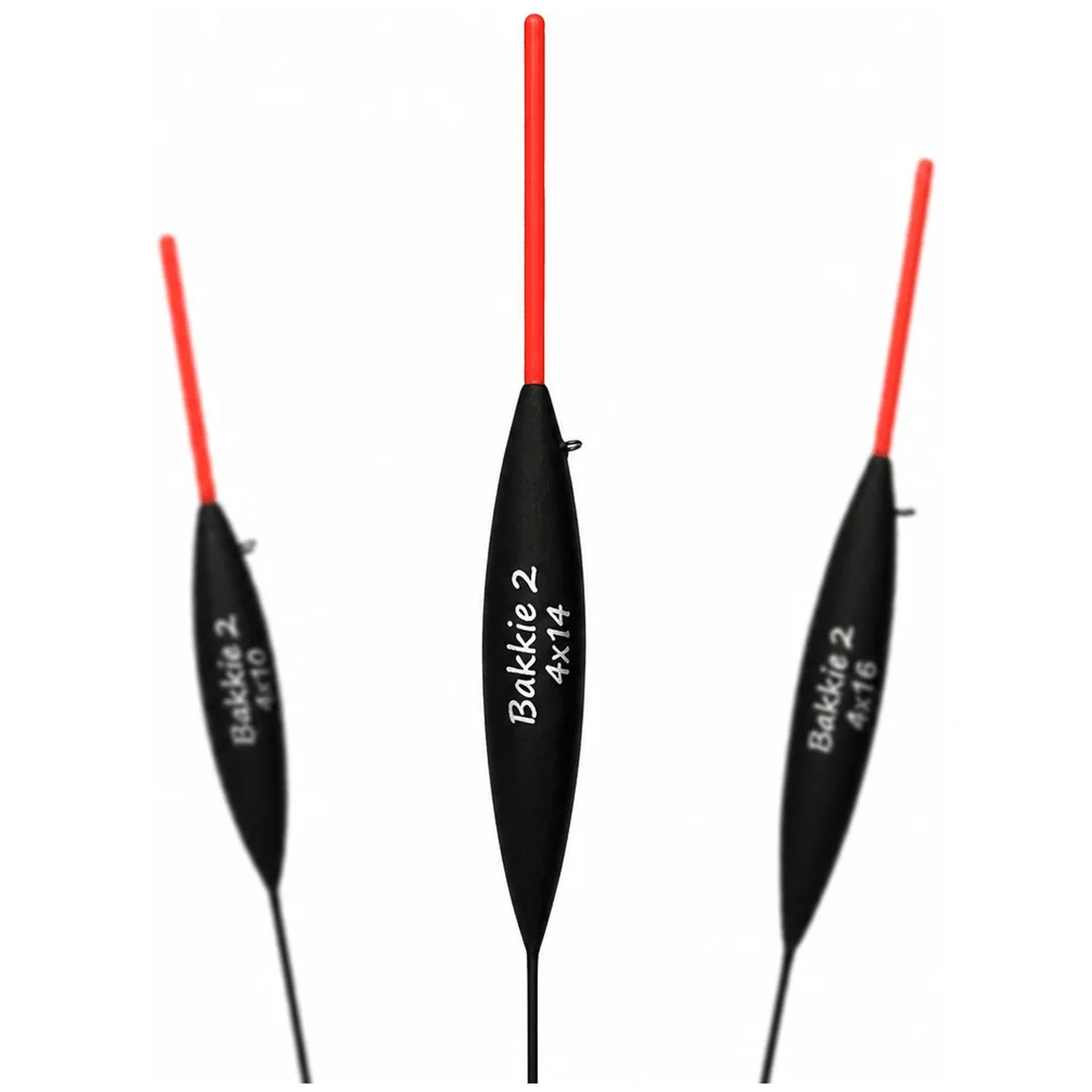
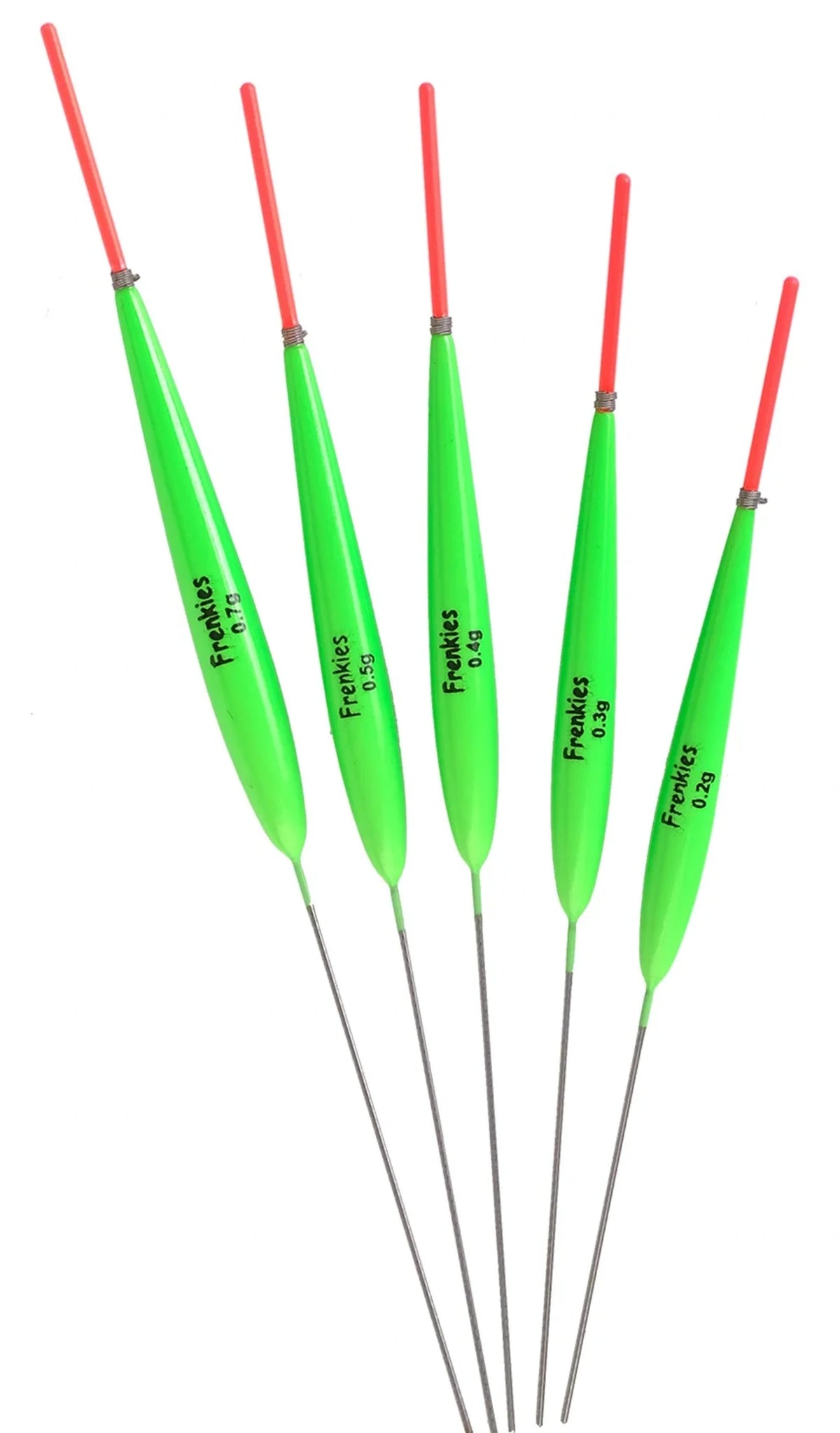
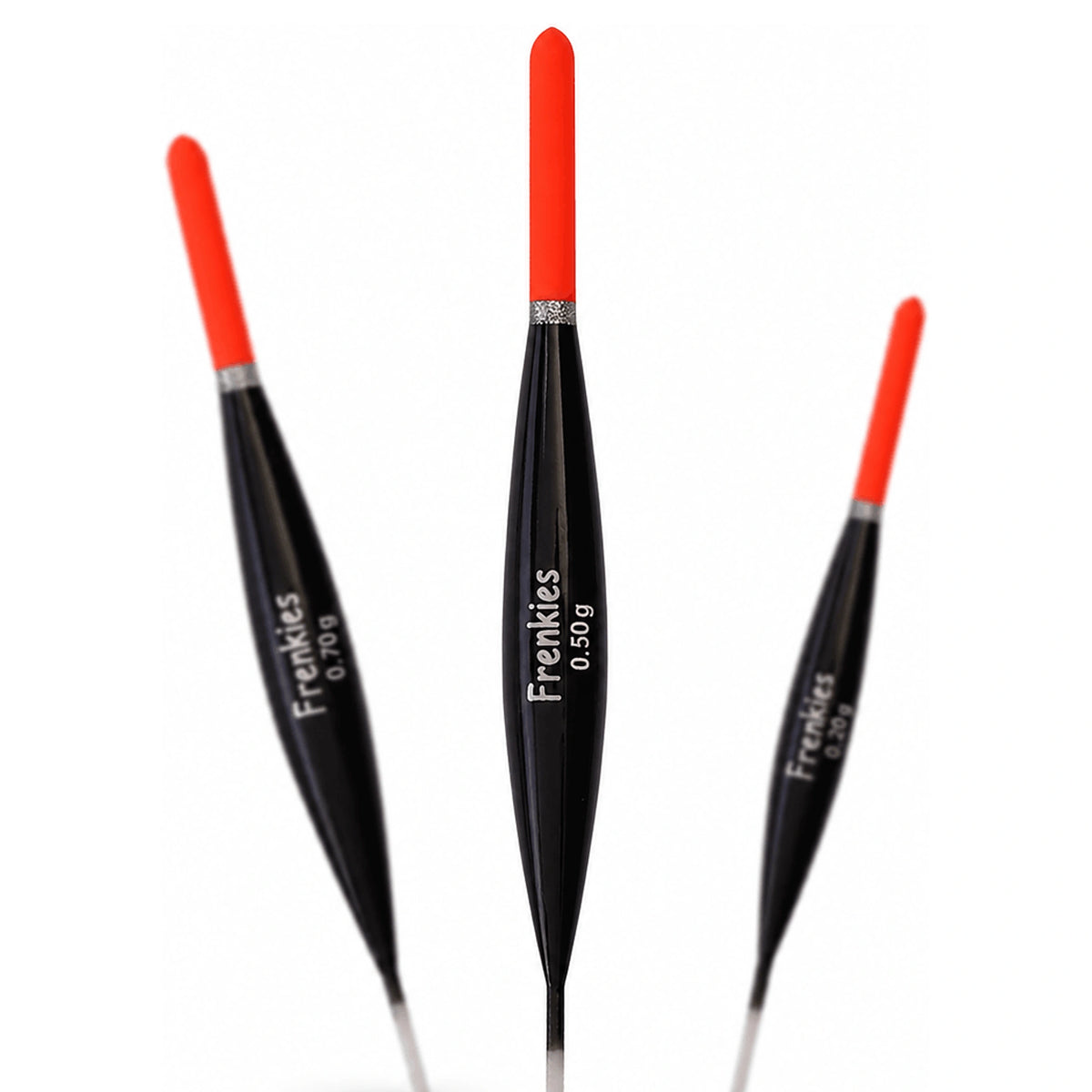
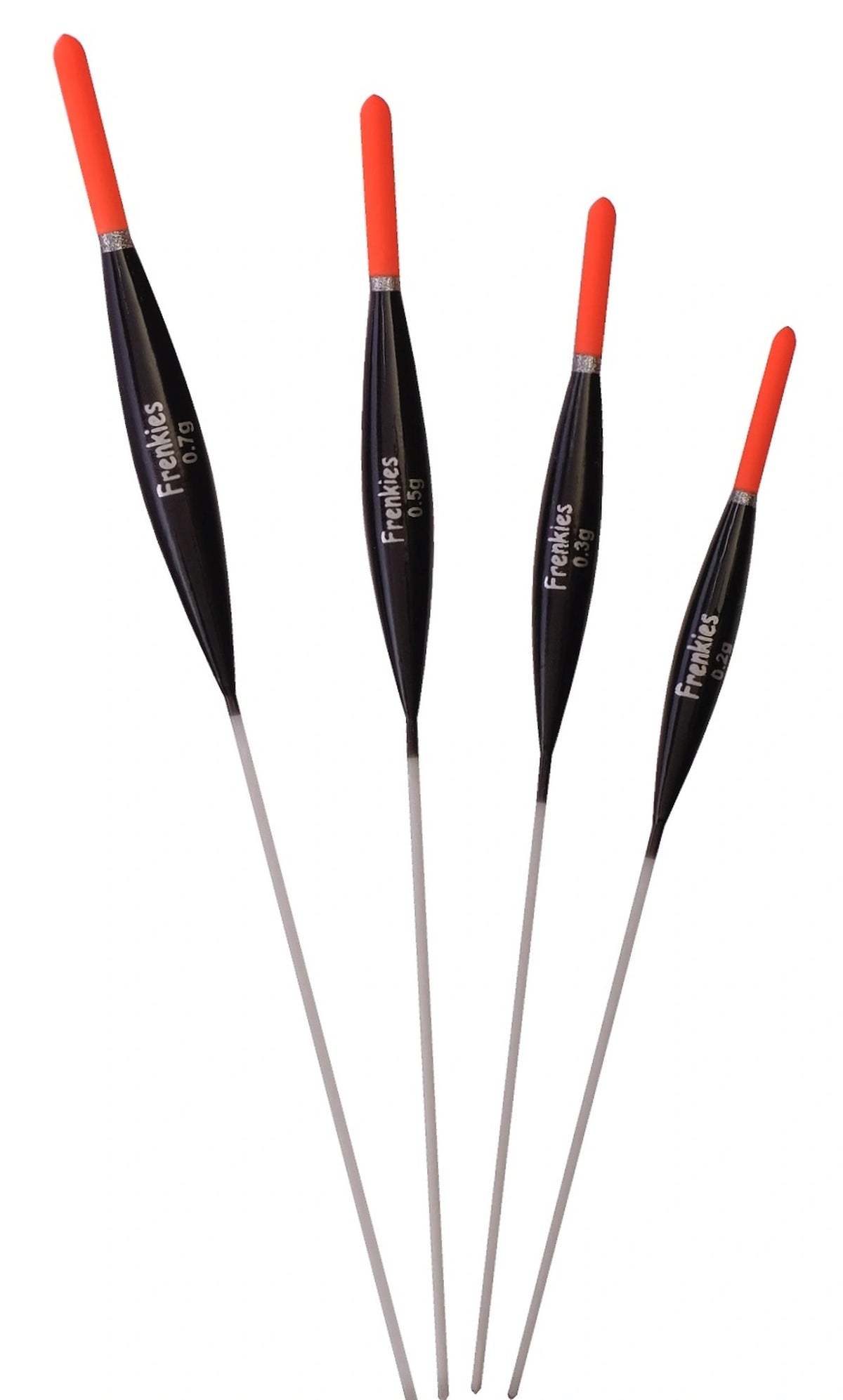
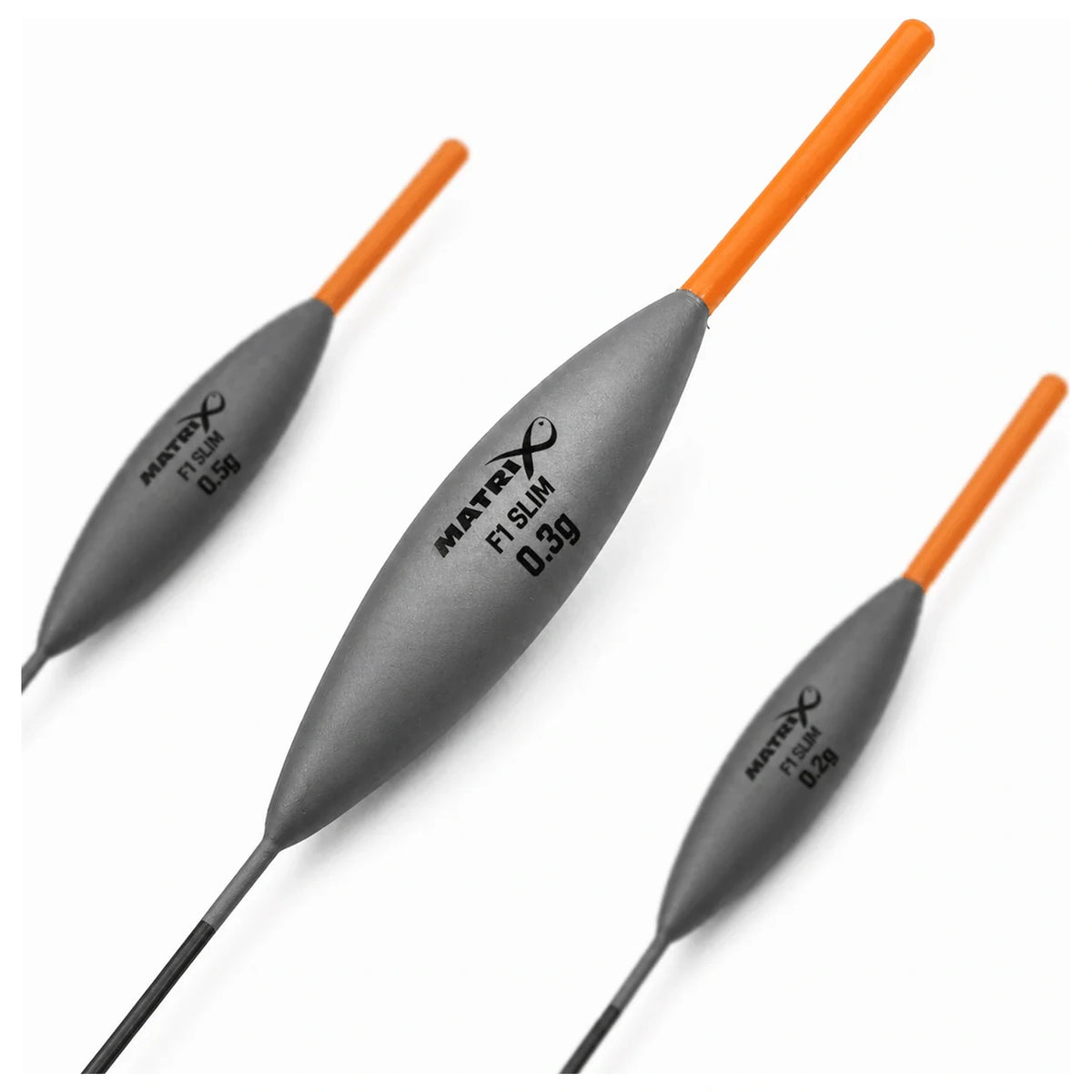
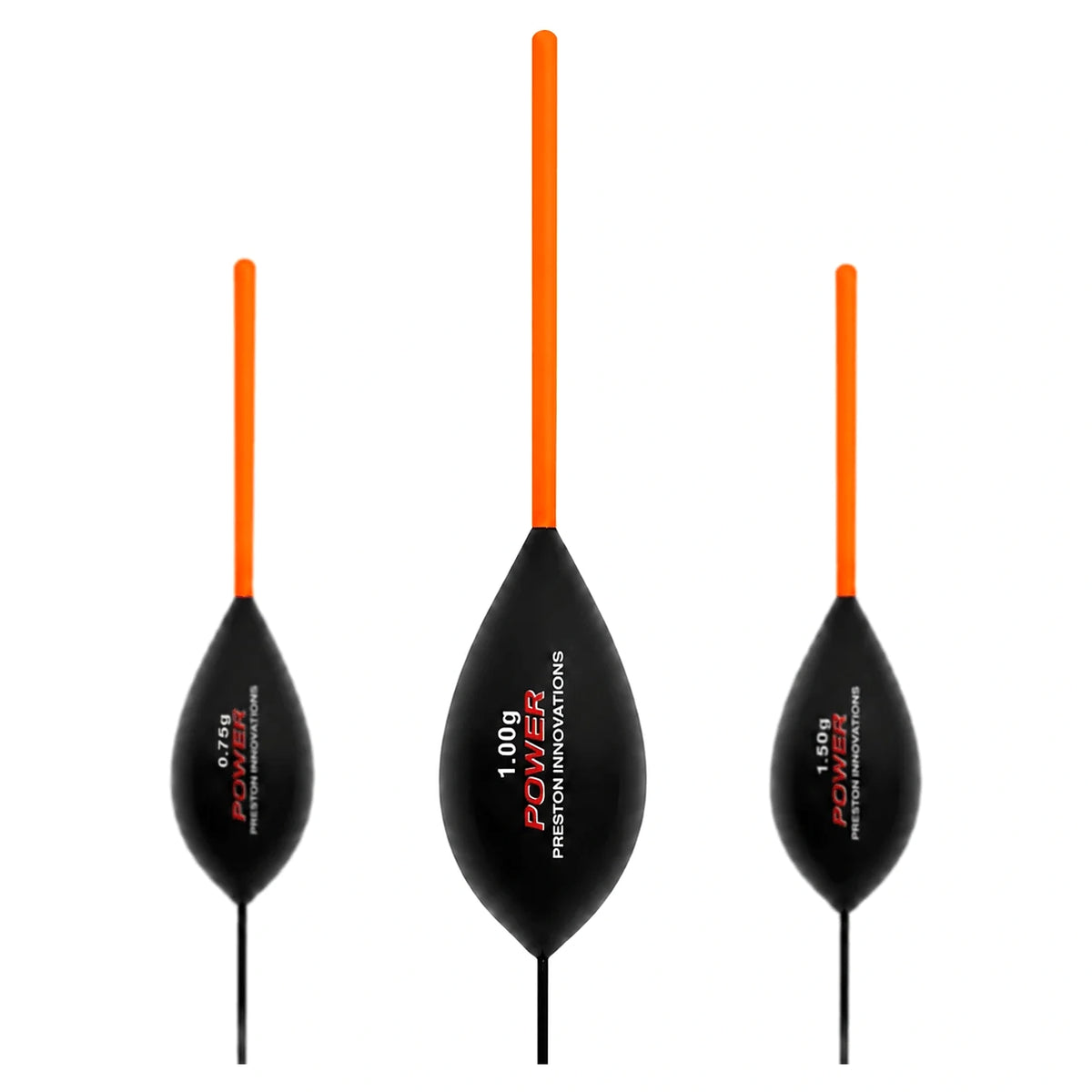
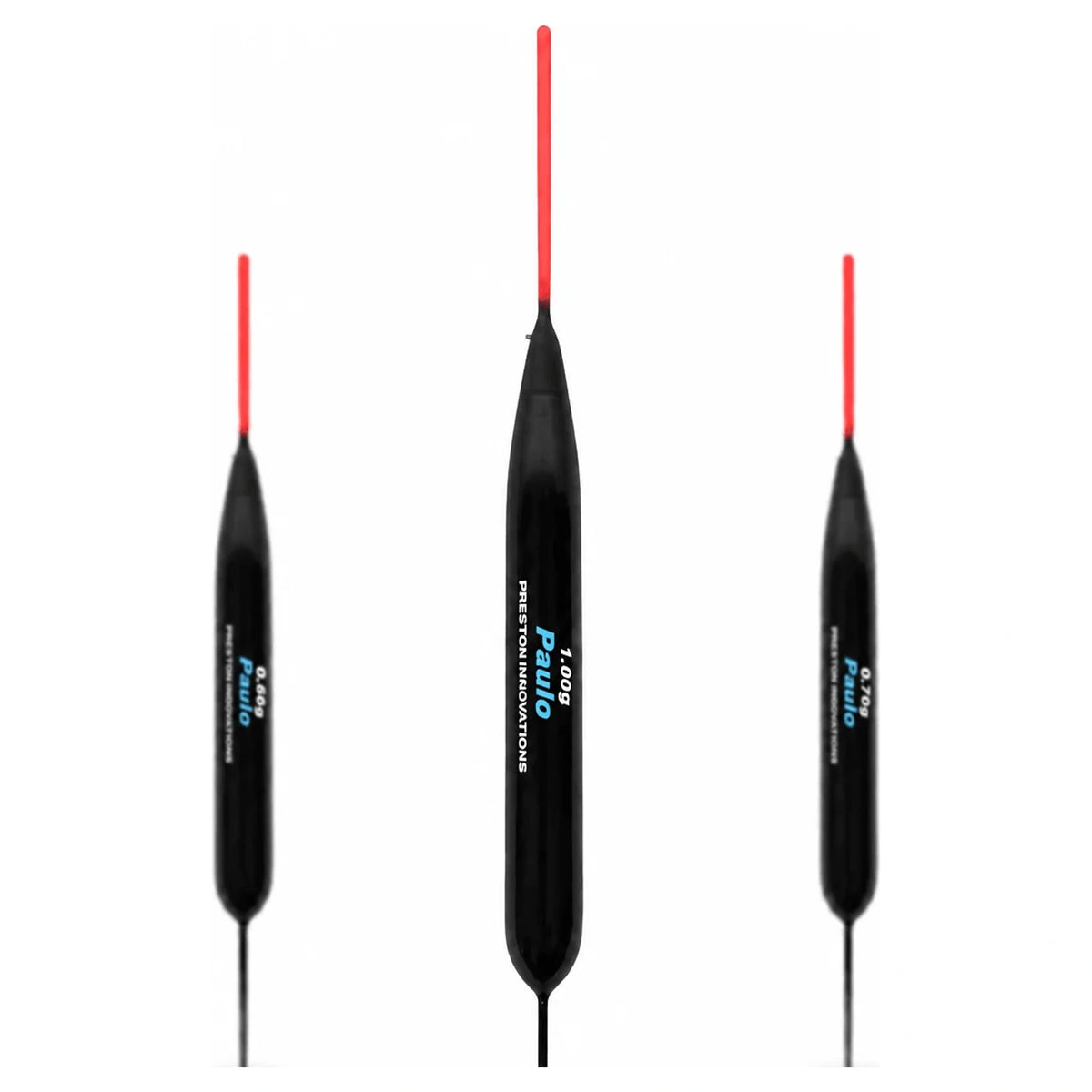
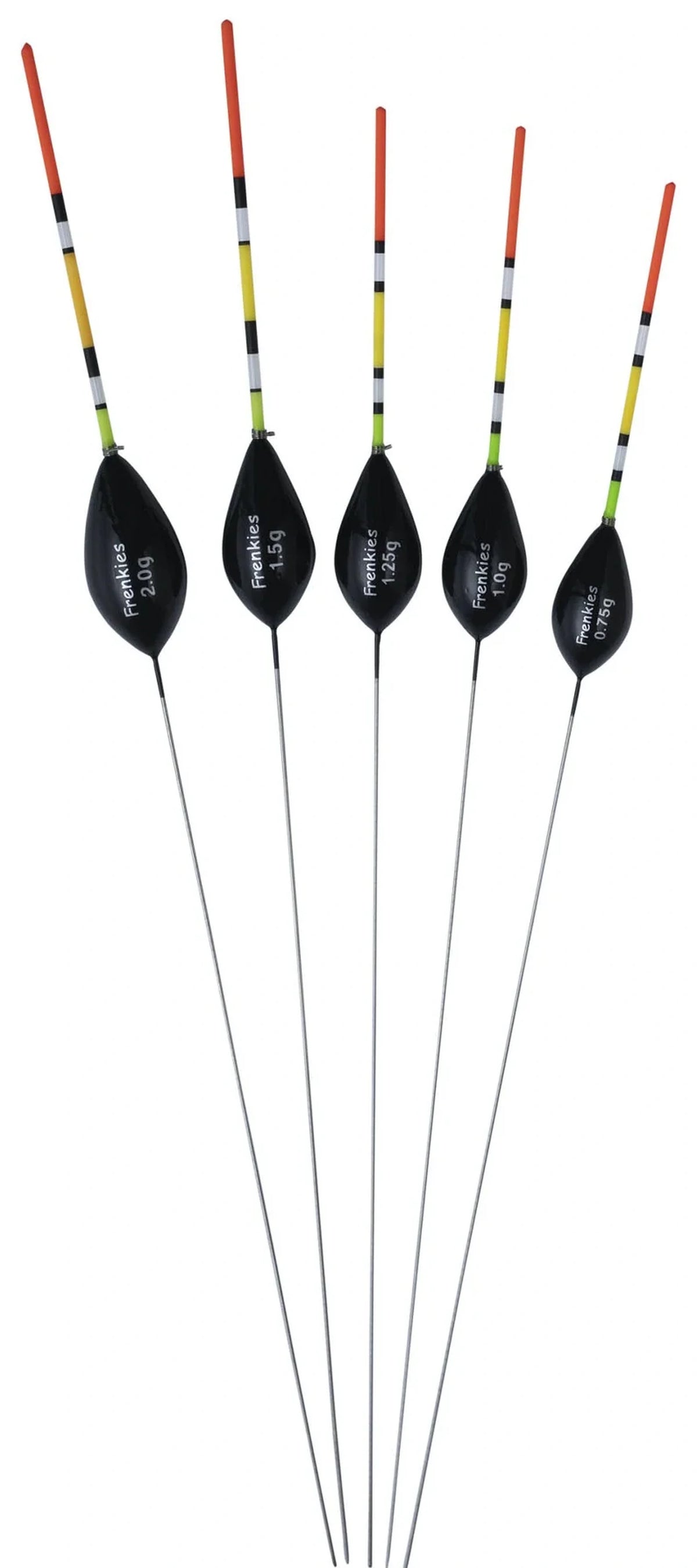
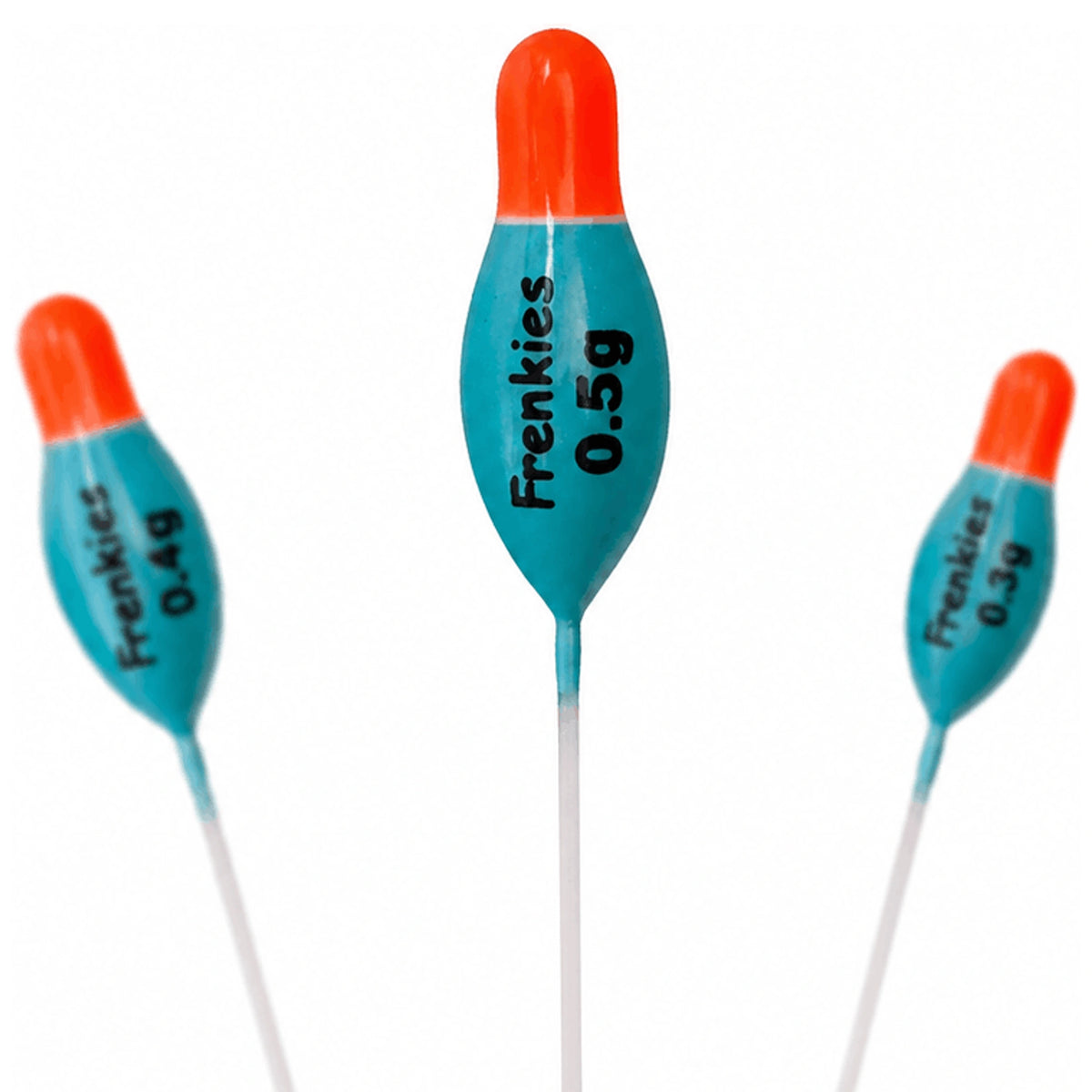
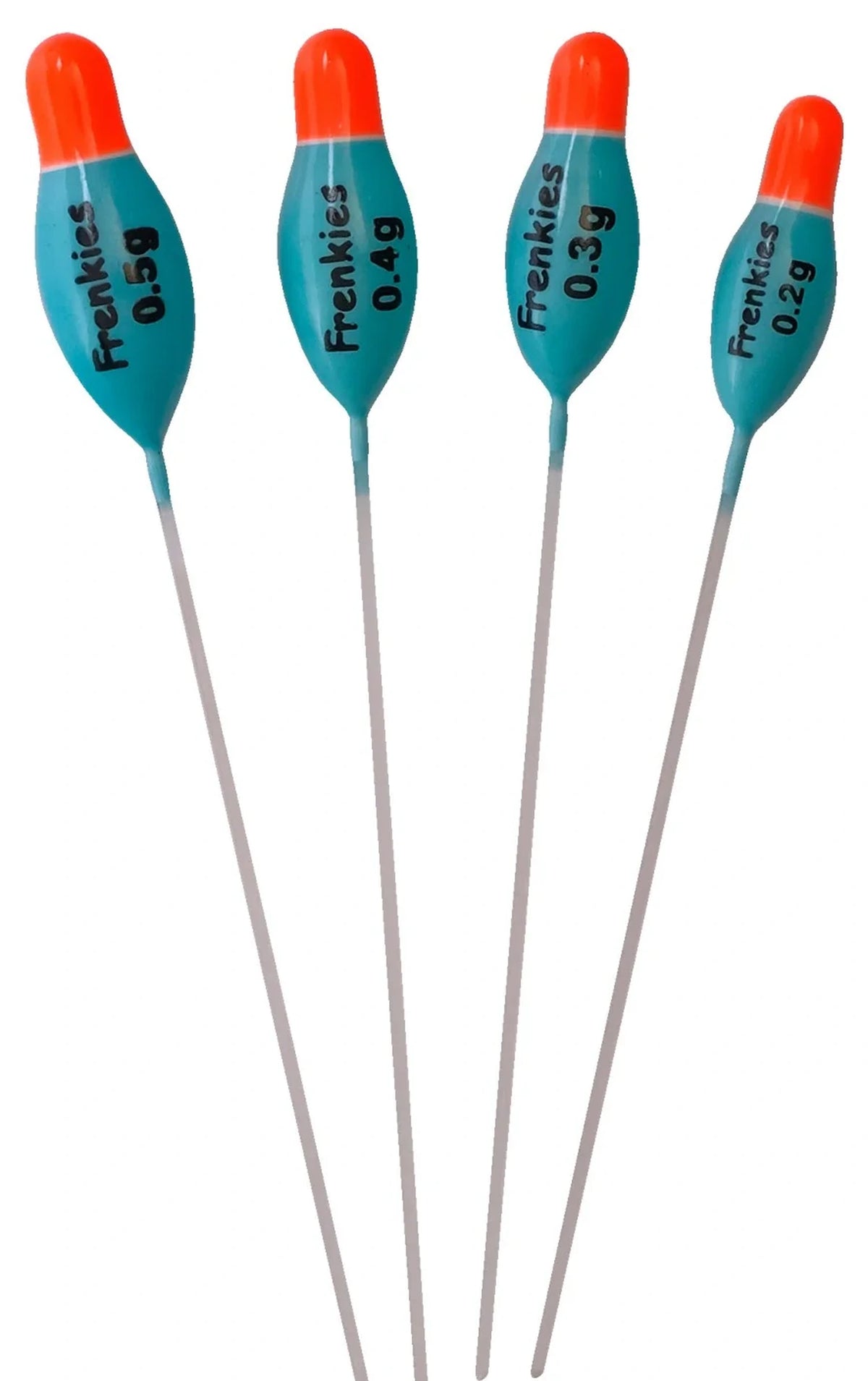
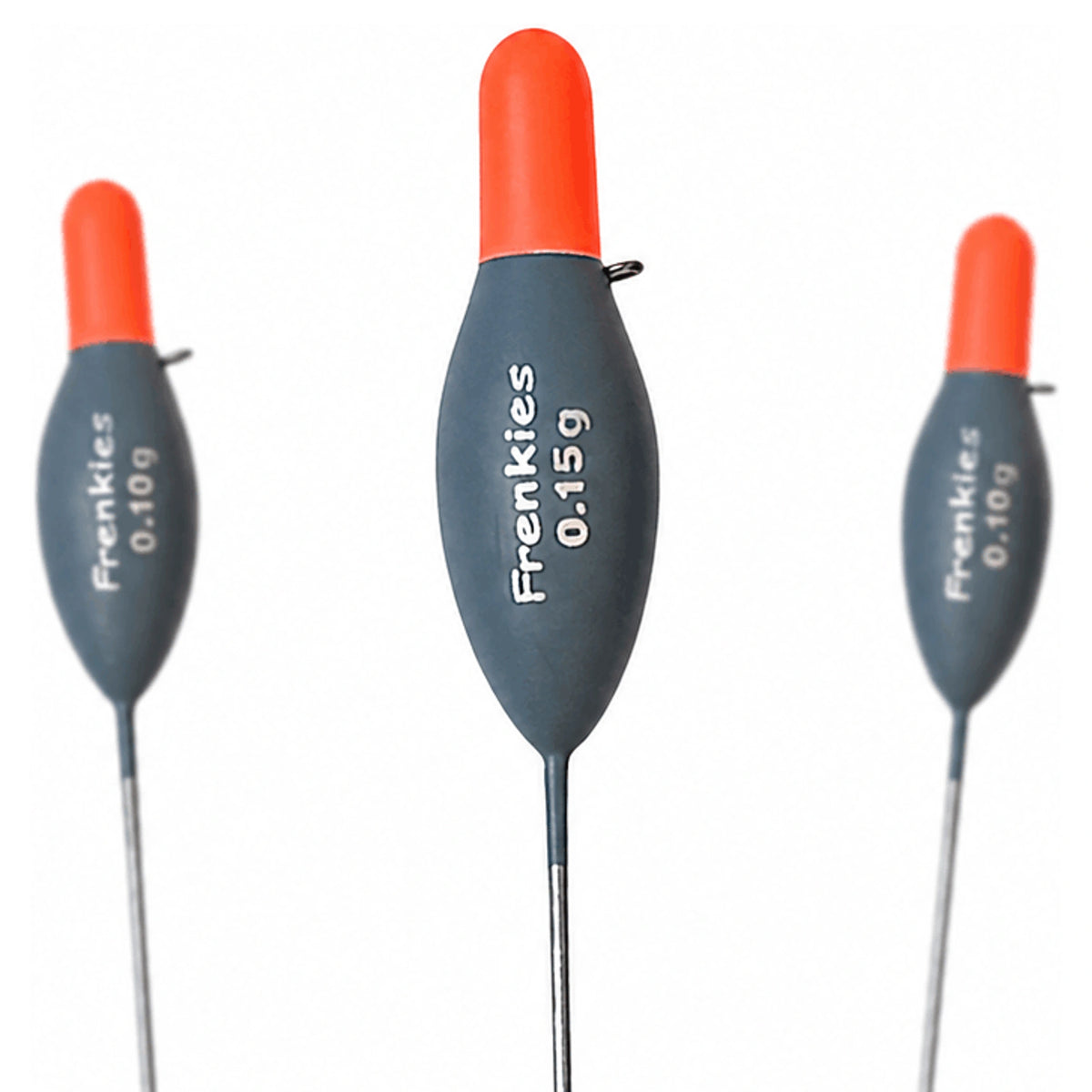
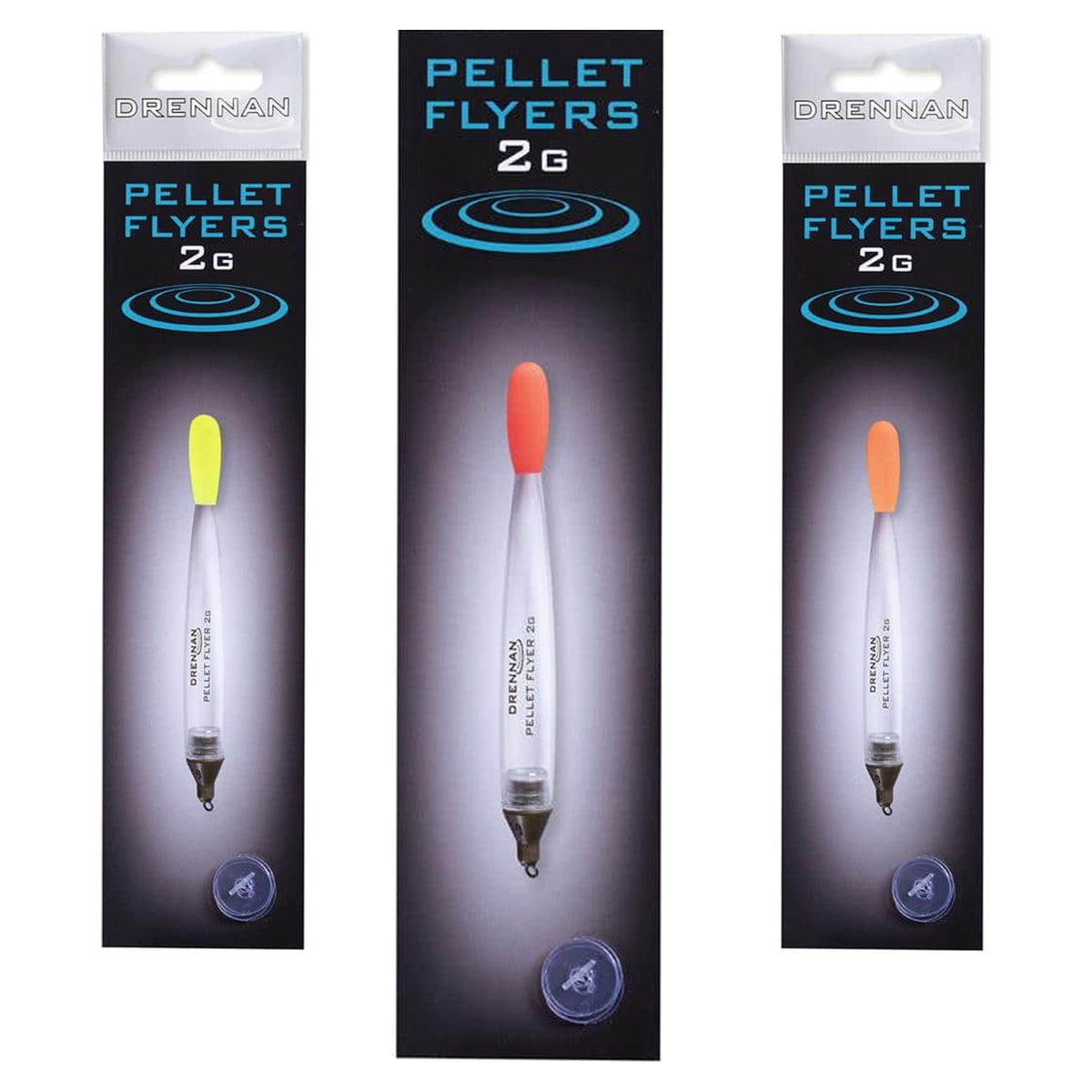
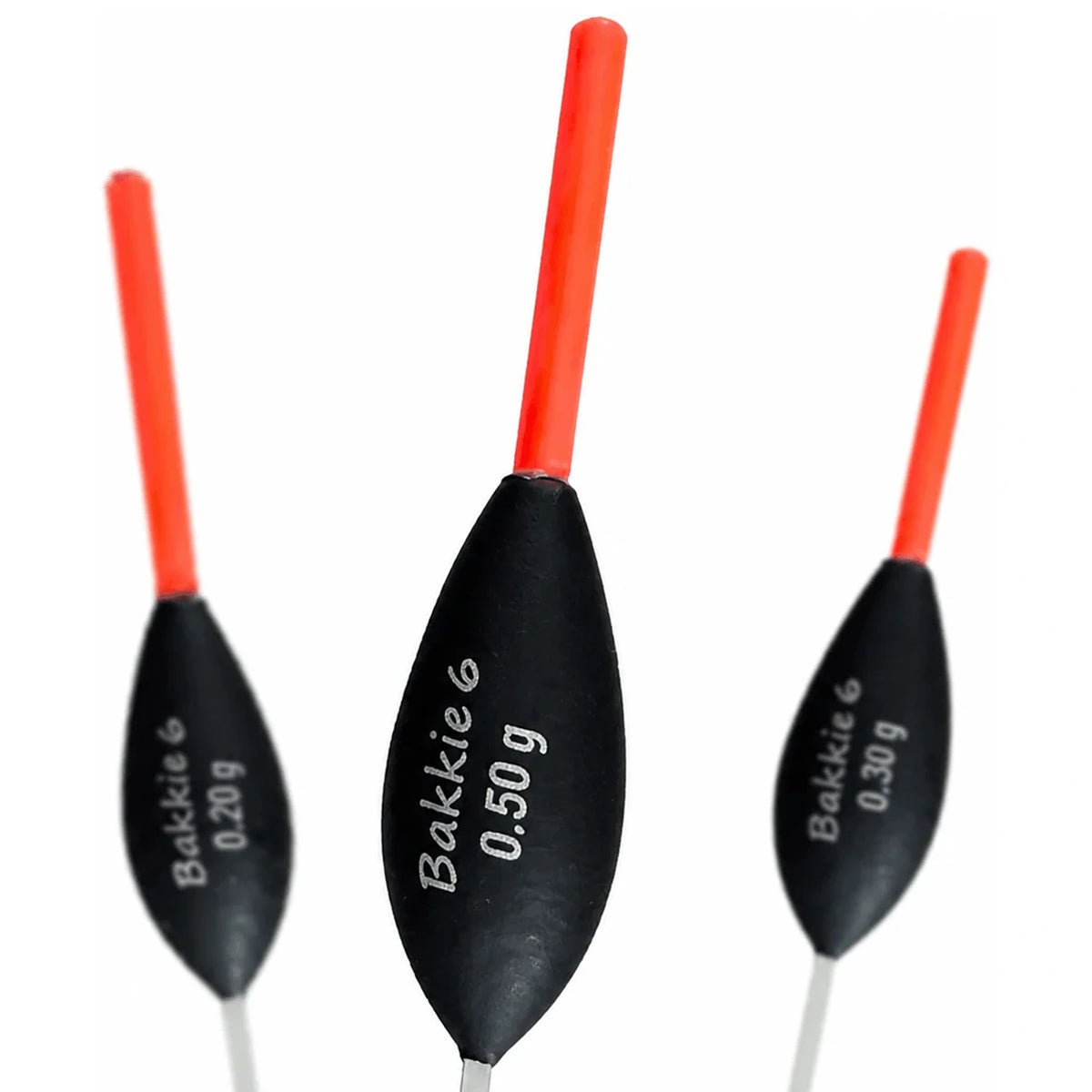
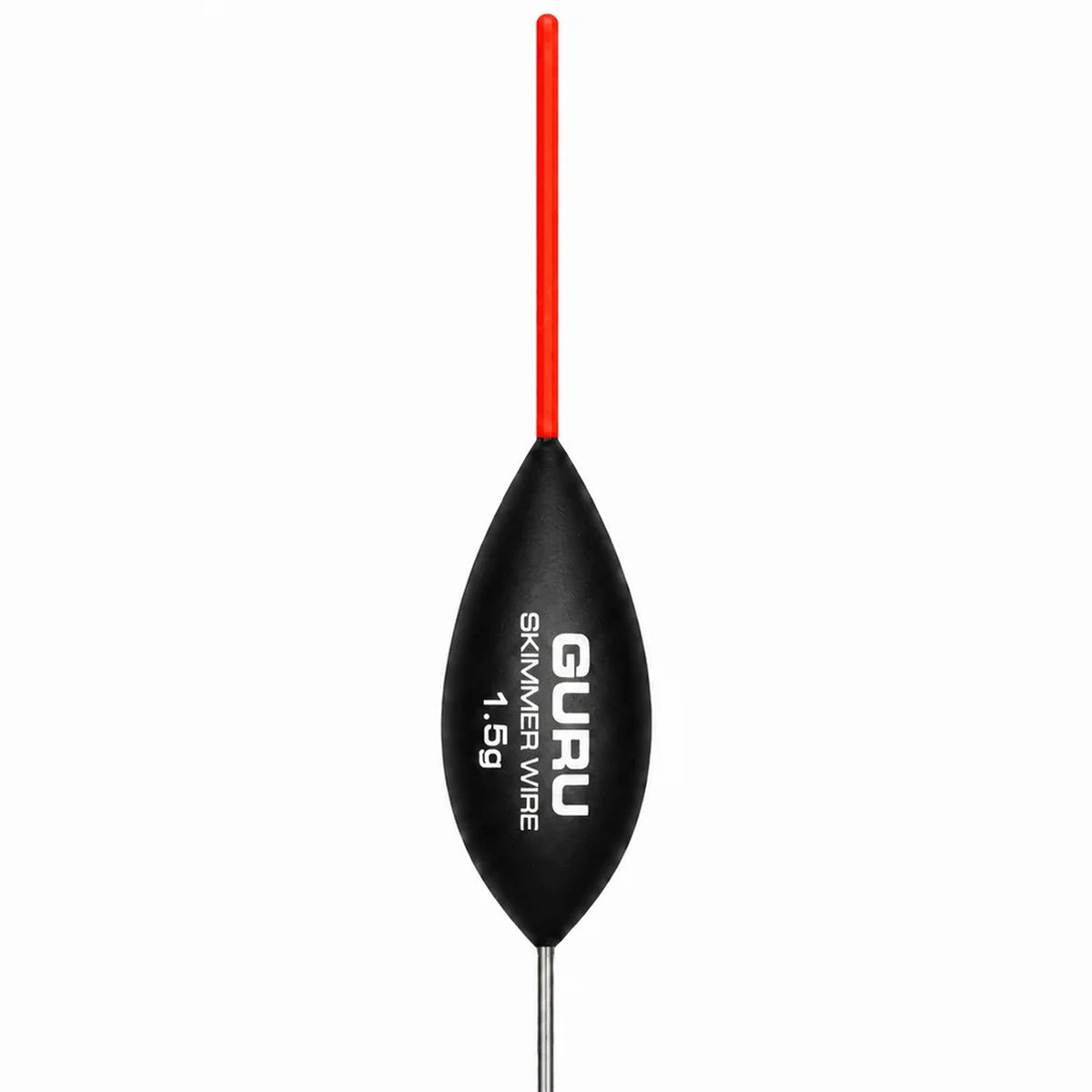
Choose a float that suits your rod, rig and fishing venue.
Choosing a float for pole fishing or a waggler
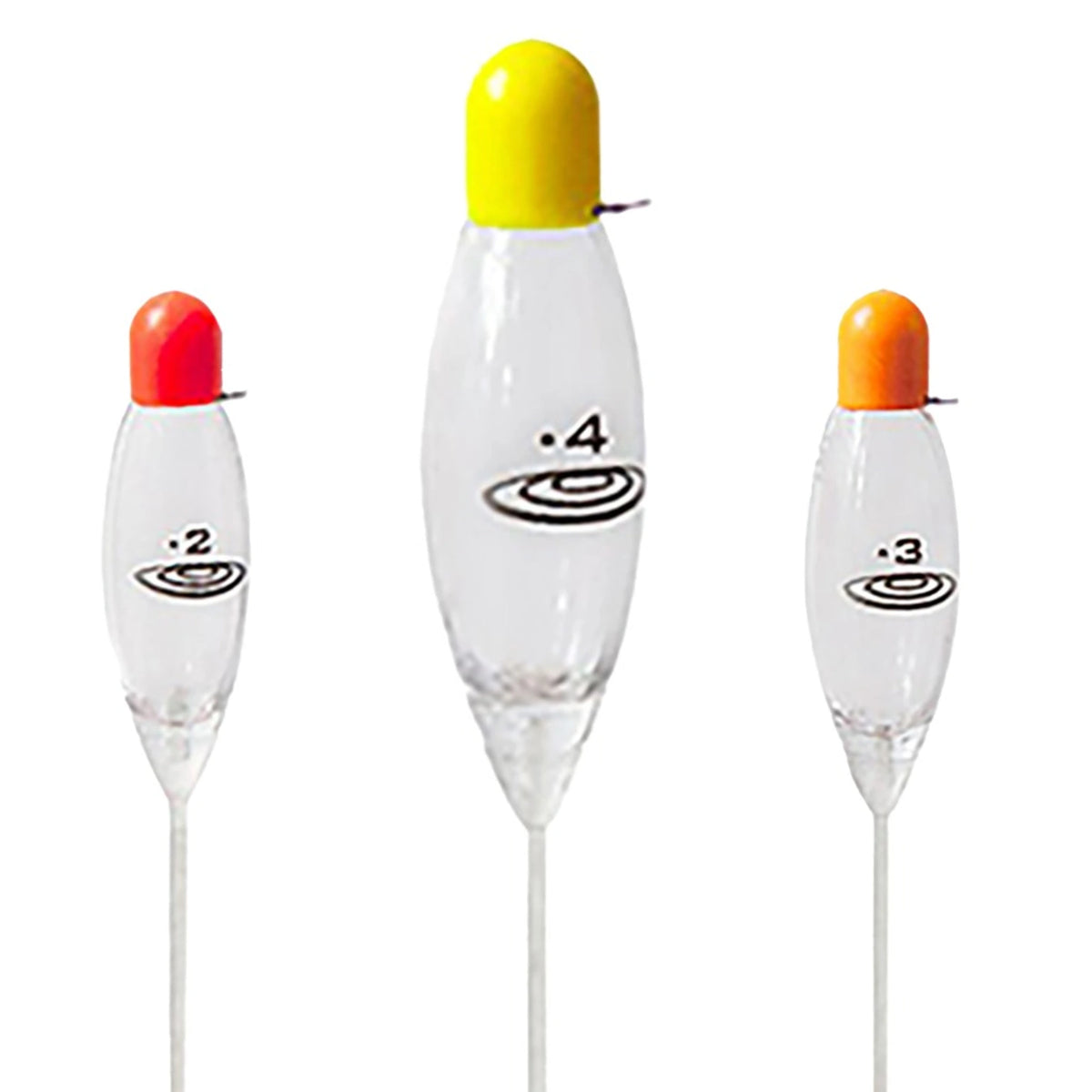
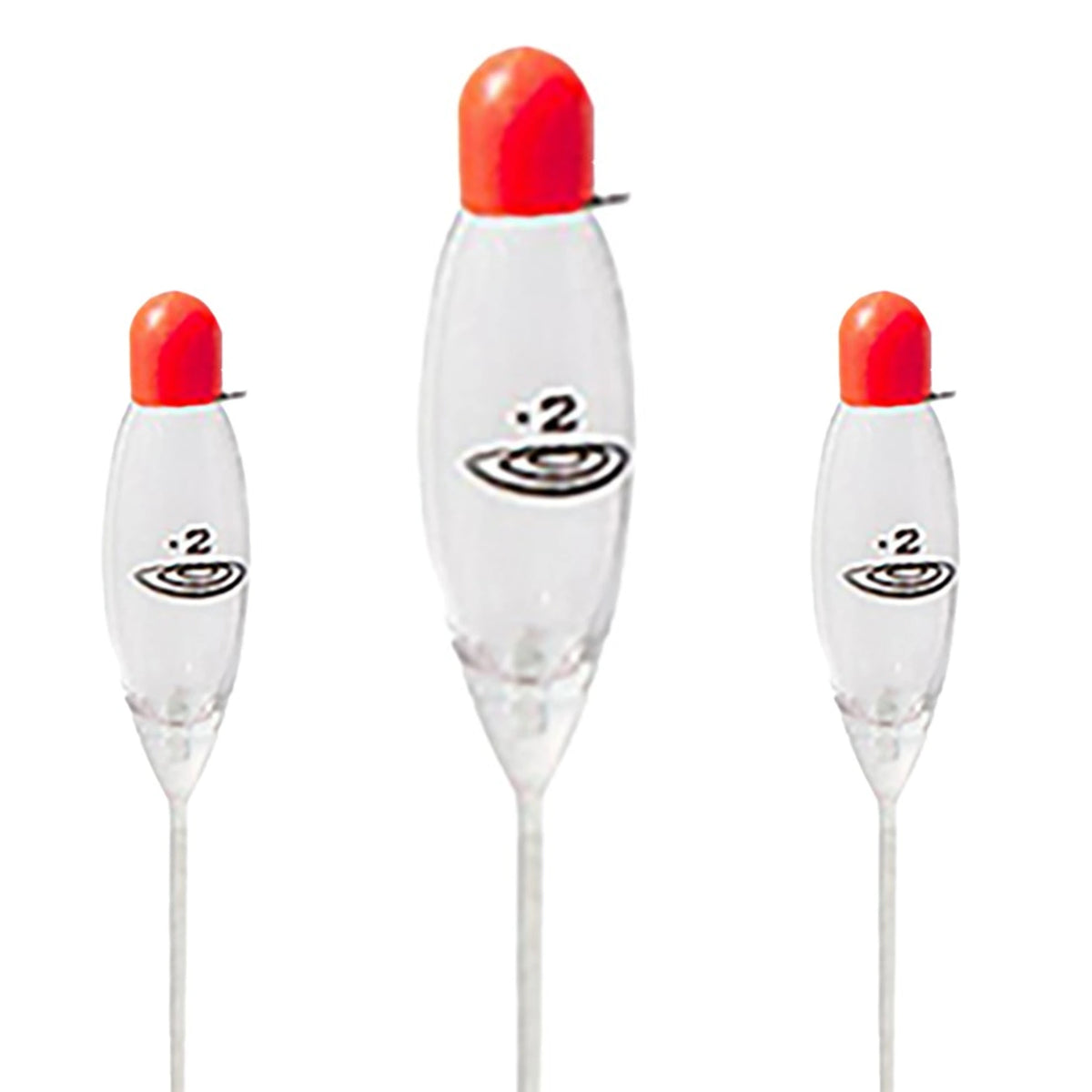
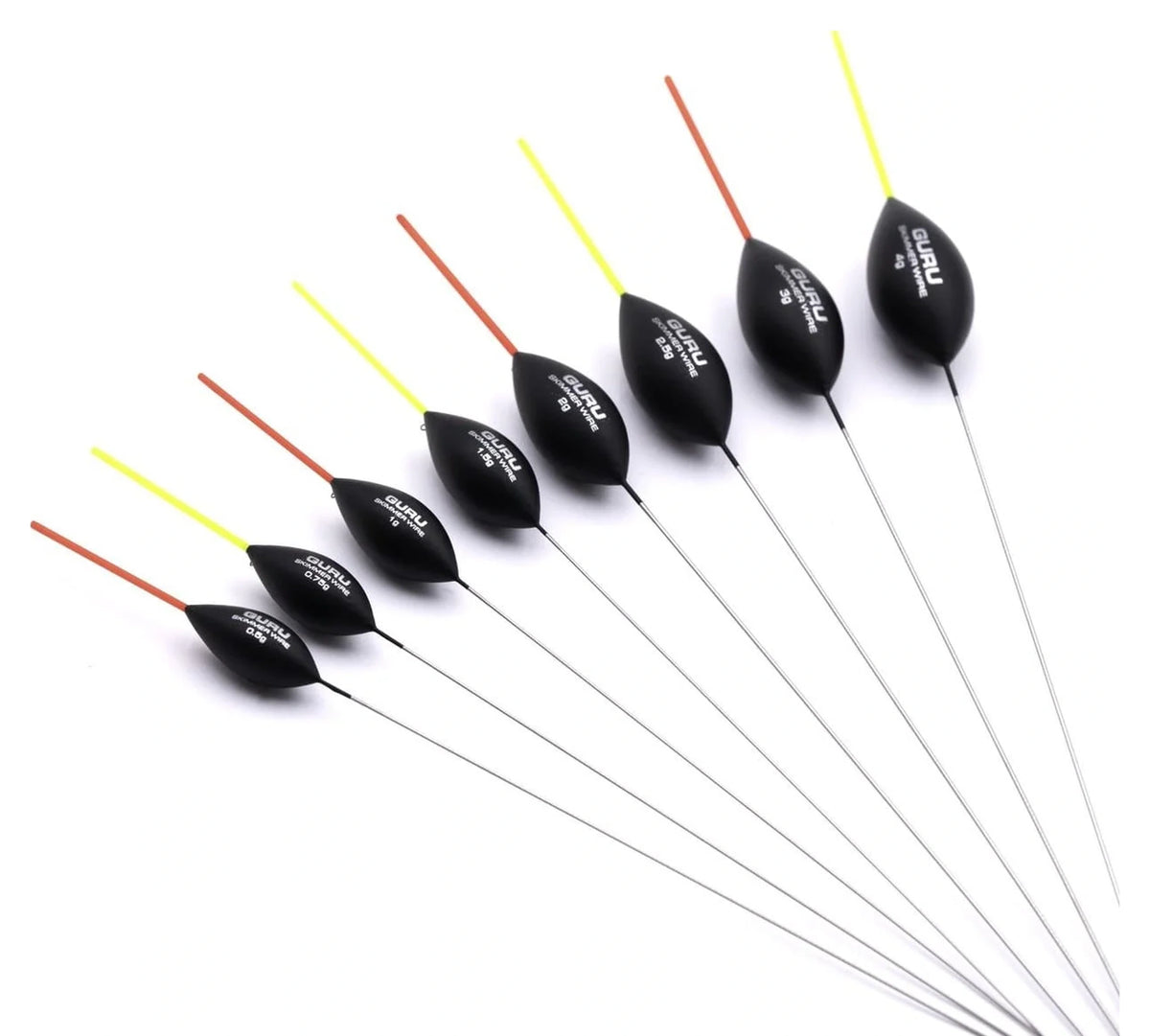
For carp fishing with a pole, compare the Preston Olive Pole Float: an inline float supplied in packs of 5. For casting with a pre-weighted waggler, see the Guru Loaded Waggler with adjustable base weights. Check the buoyancy and specification for each model.
What float weight should you choose for roach and bream?
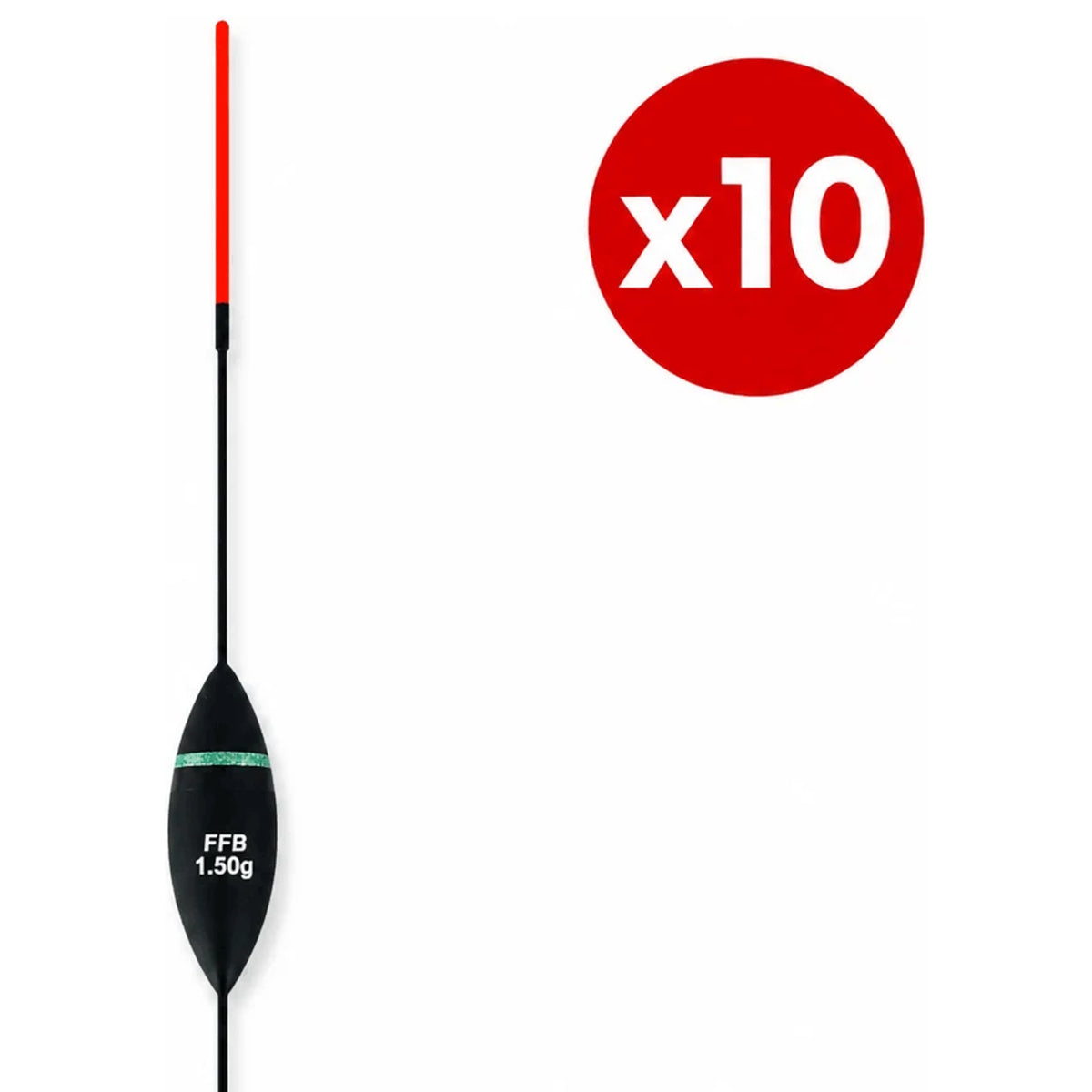
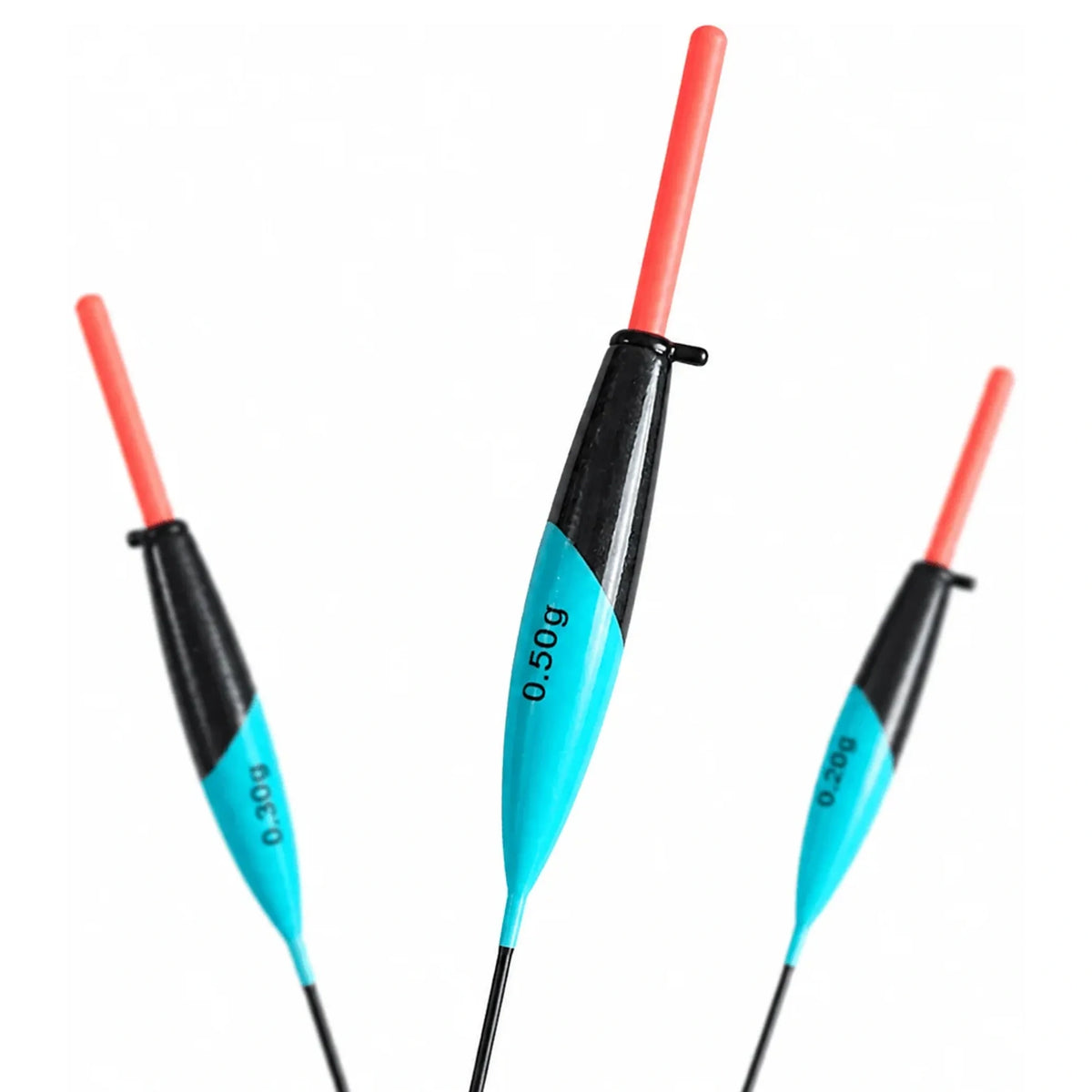
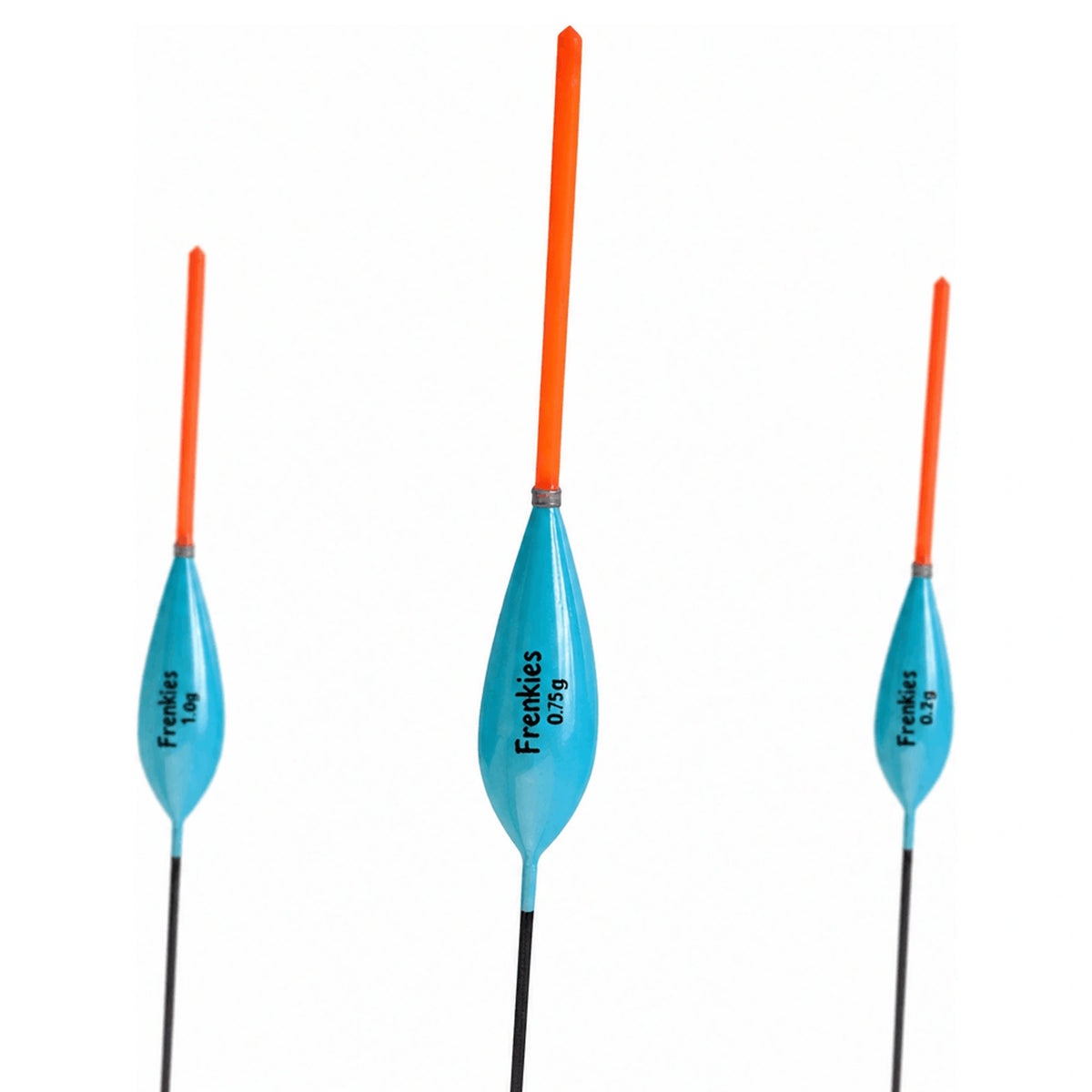
On a calm canal, when fishing light, you can start with a light float of around 0.3–0.6 g, as long as it allows you to present the bait in a controlled manner at the desired depth. A specific example is the Carpshop24 Kanaal 4 in 0.40 or 0.60 g. This slim model is designed for calm canals and ponds.
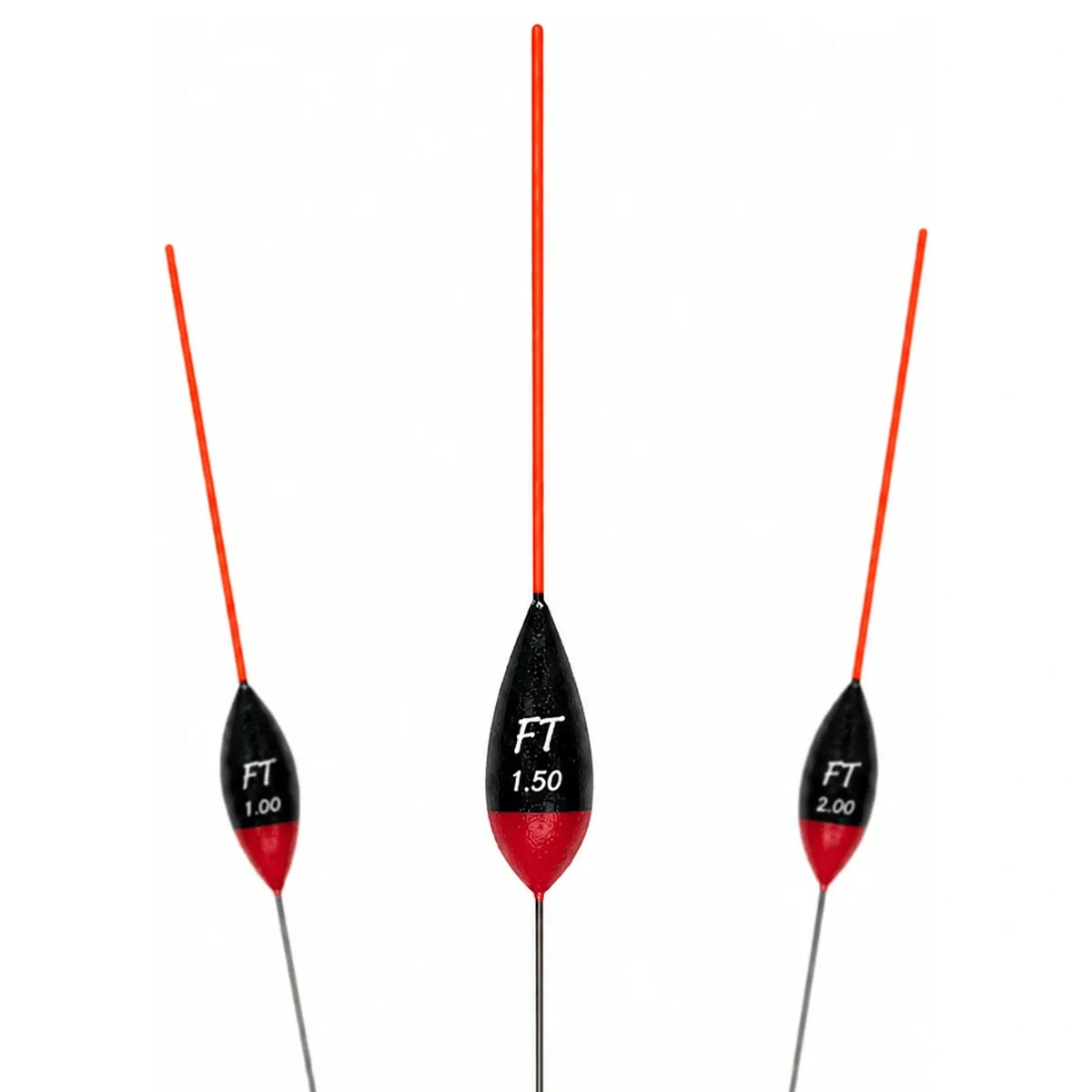
In deeper water, wind or flow, 1–2 g can provide more control. The Kanaal 7 is available in 1.00, 1.50 and 2.00 g, among other sizes, and is developed for light to medium flow. Do not choose a weight based on depth alone: bait, wave action and the desired sink rate also matter. Use the lightest rig that allows you to control the presentation reliably and test the shotting in water.
The crucial elements of float fishing for carp
Using a float, also known as a “bobber”, to suspend your bait at a chosen depth and serve as a visual indicator of fish activity is known as float fishing for carp. Keep the following important factors in mind when using floats for carp fishing:
- Selecting the right float:
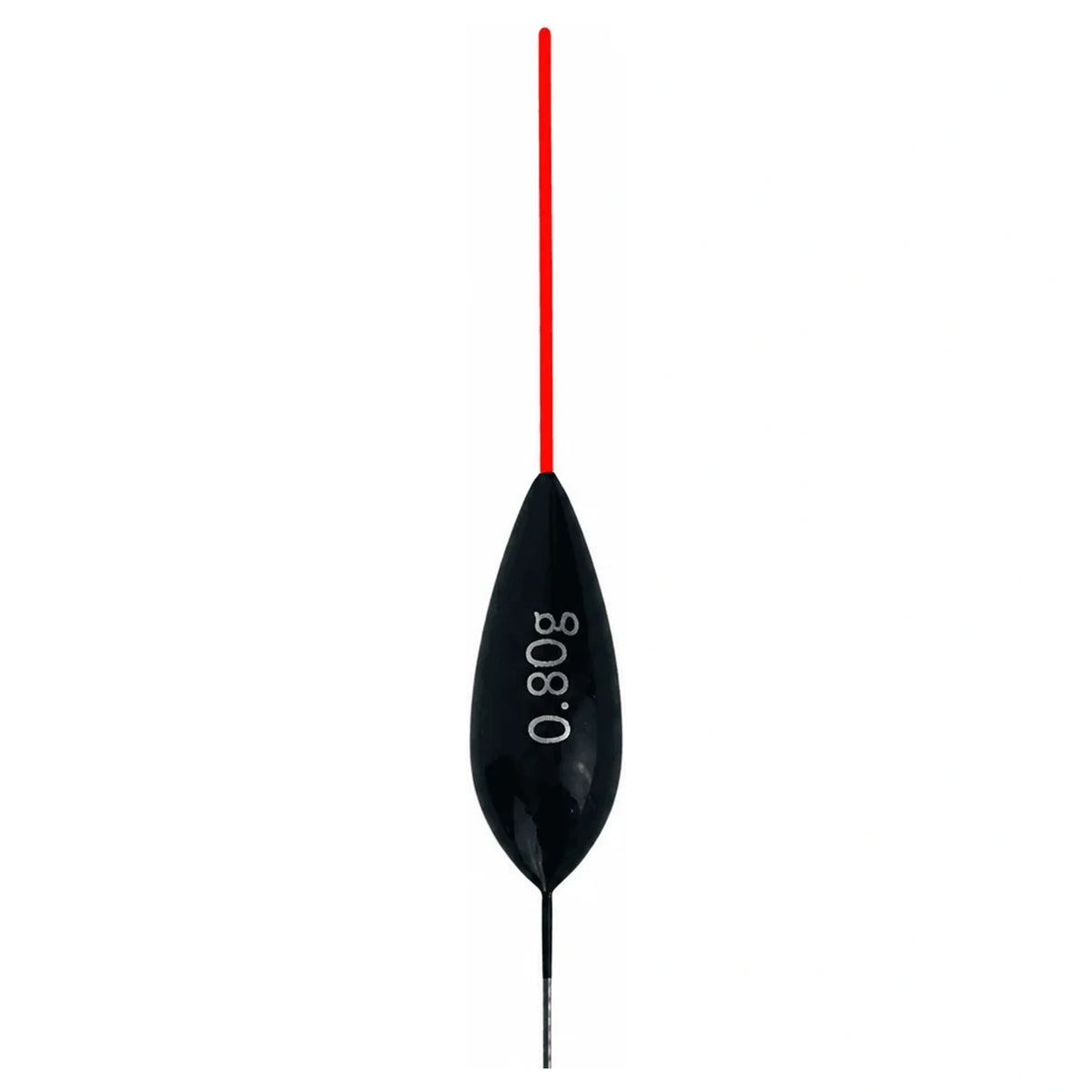
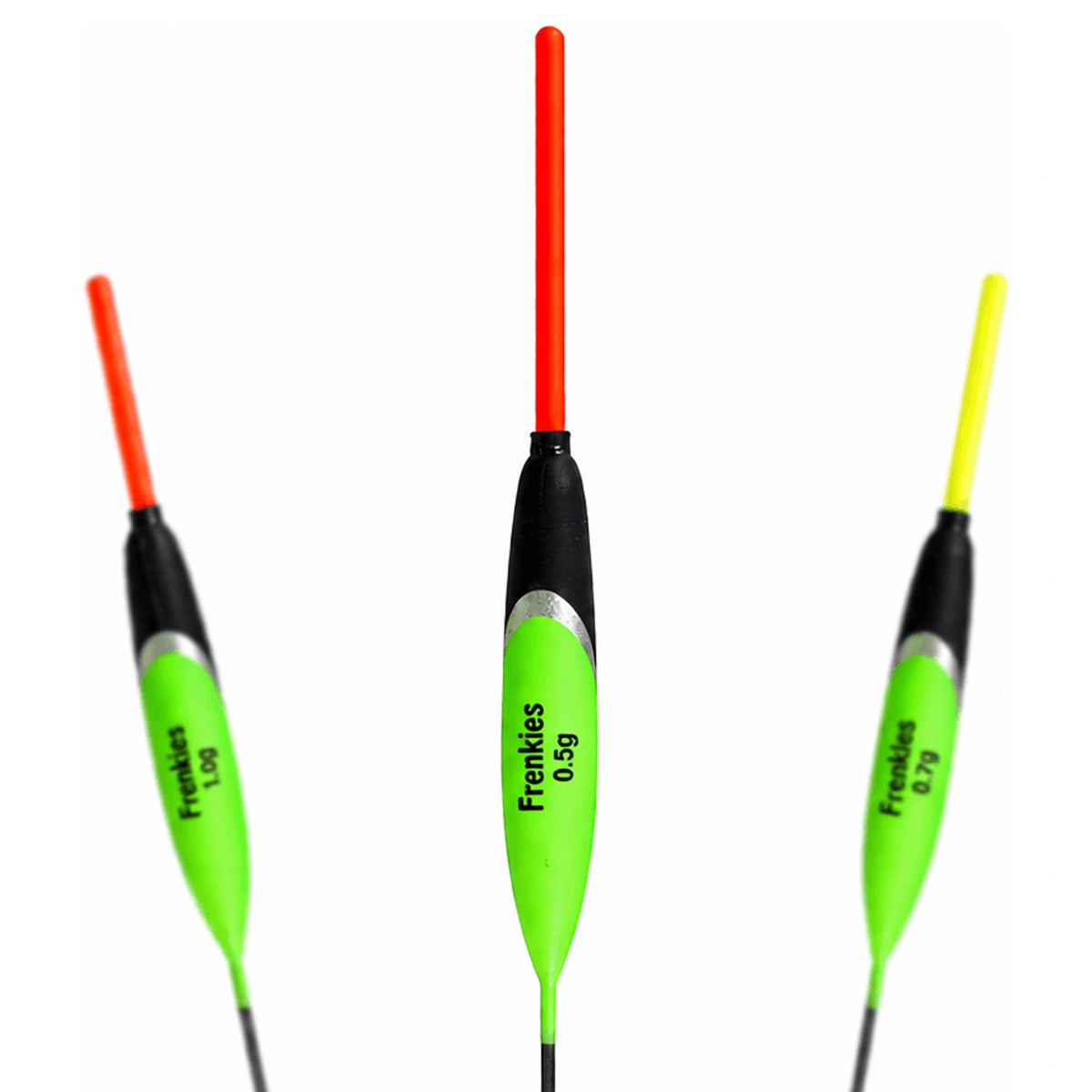
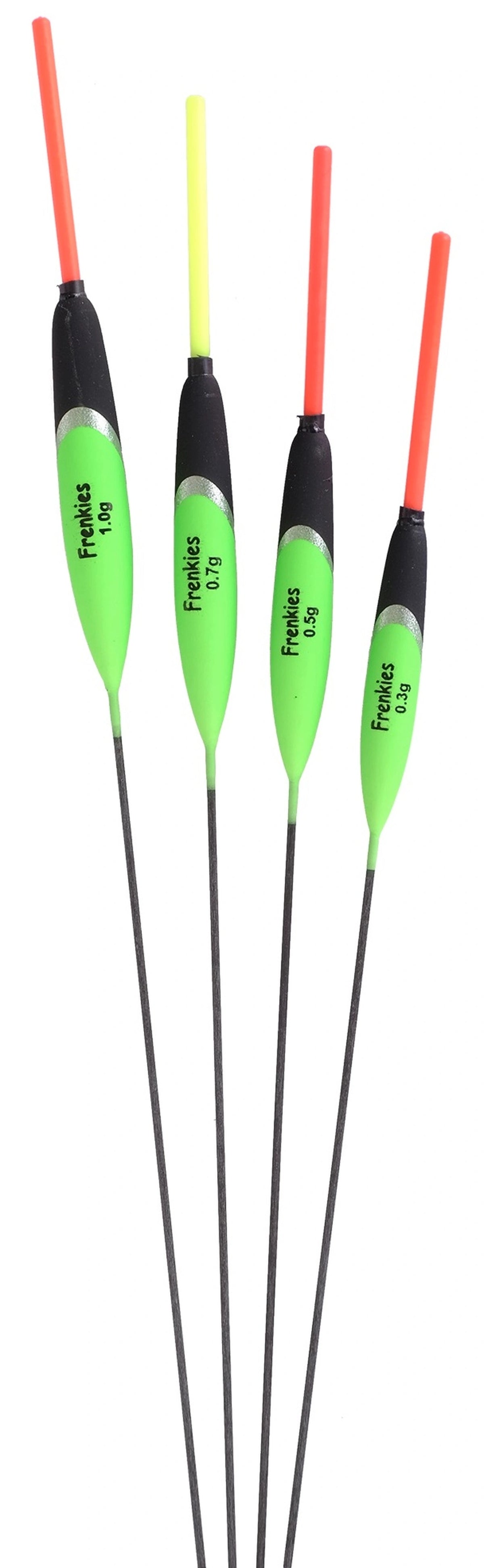
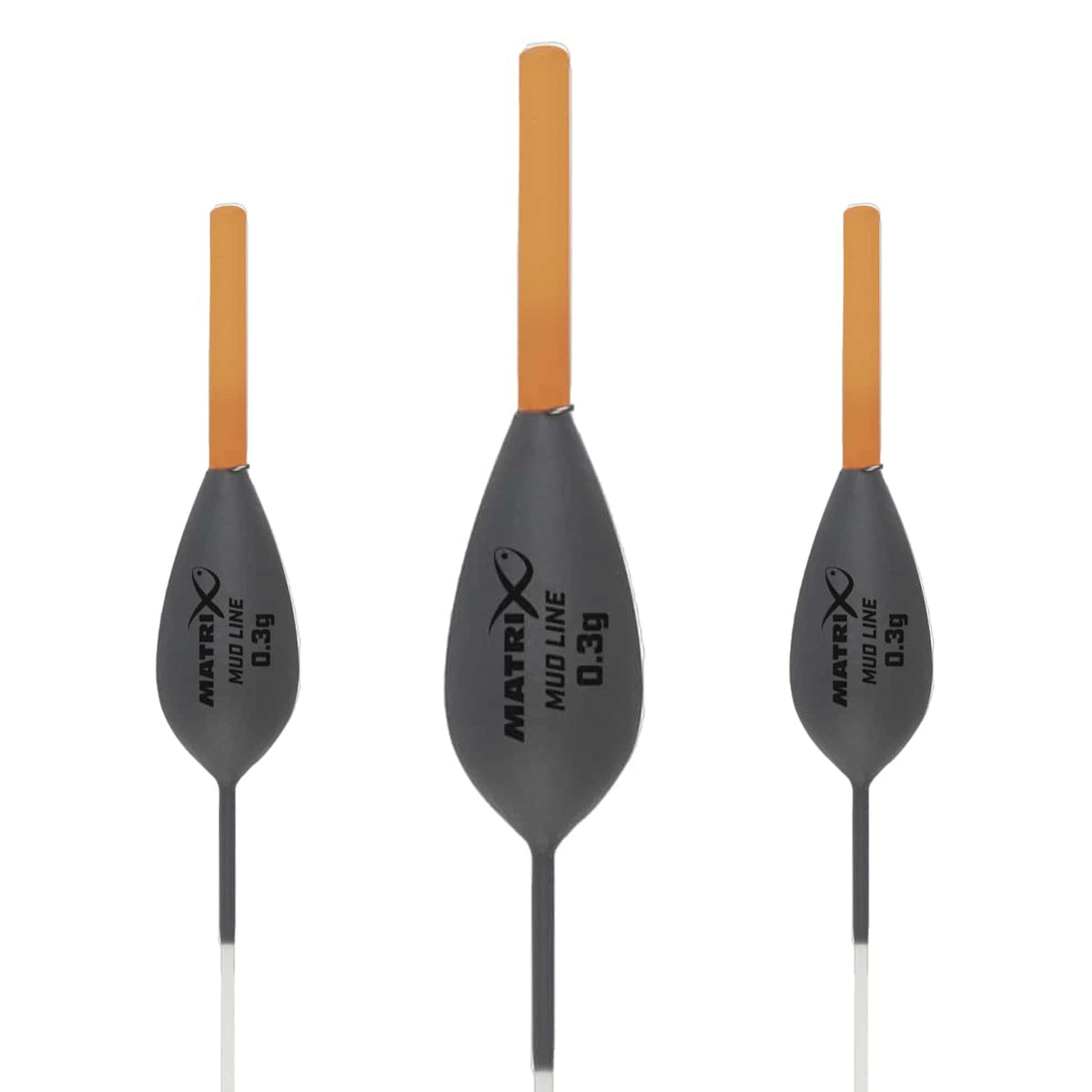
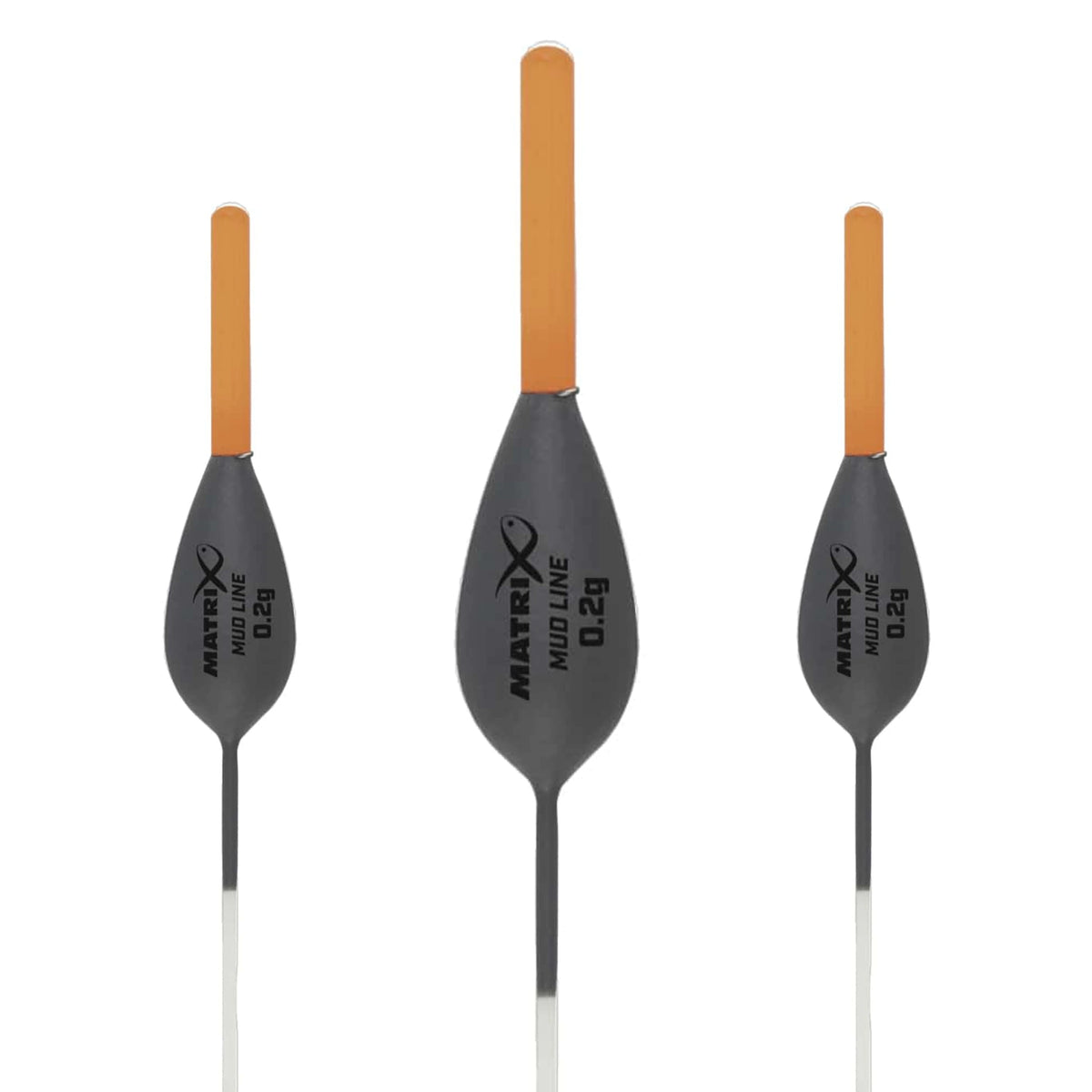
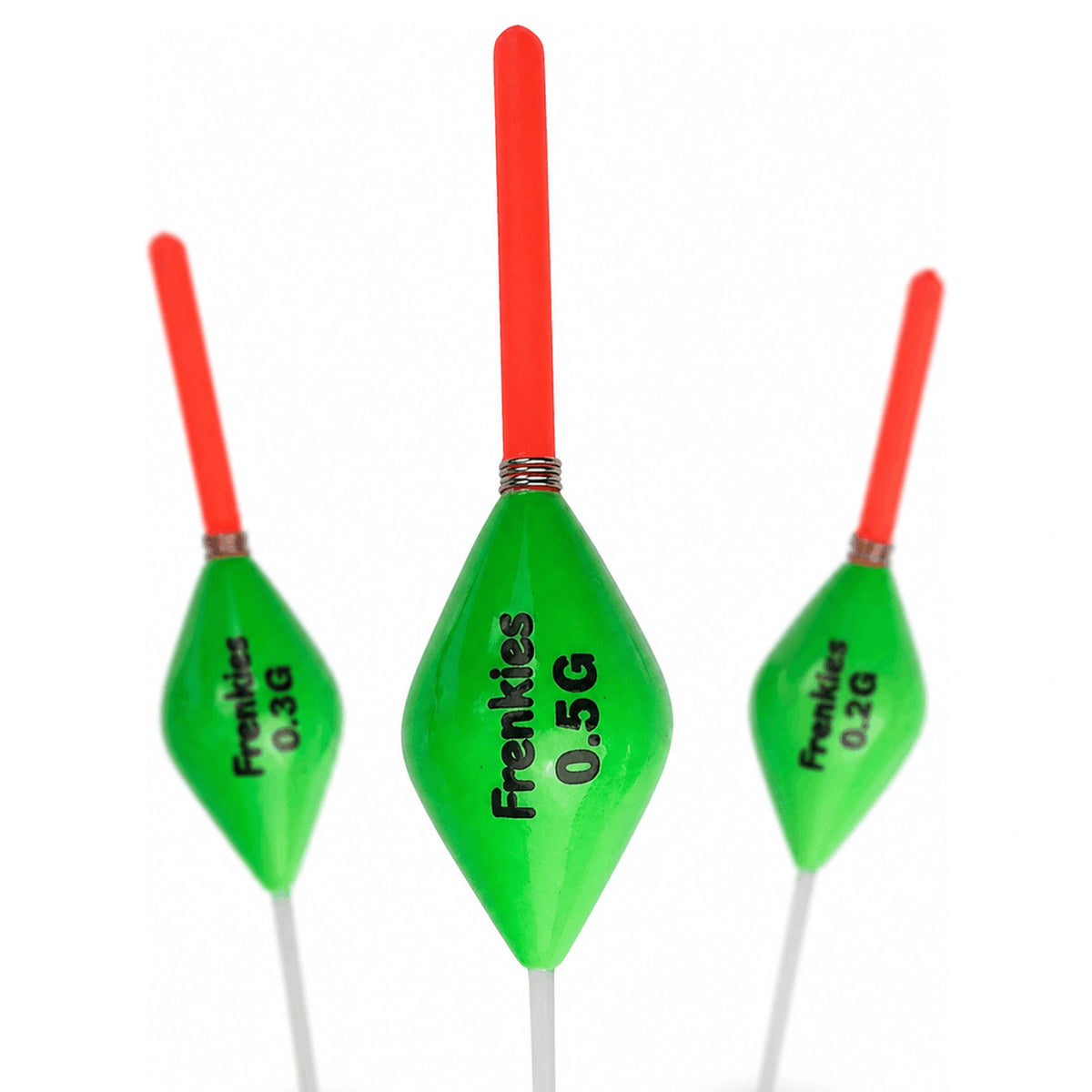
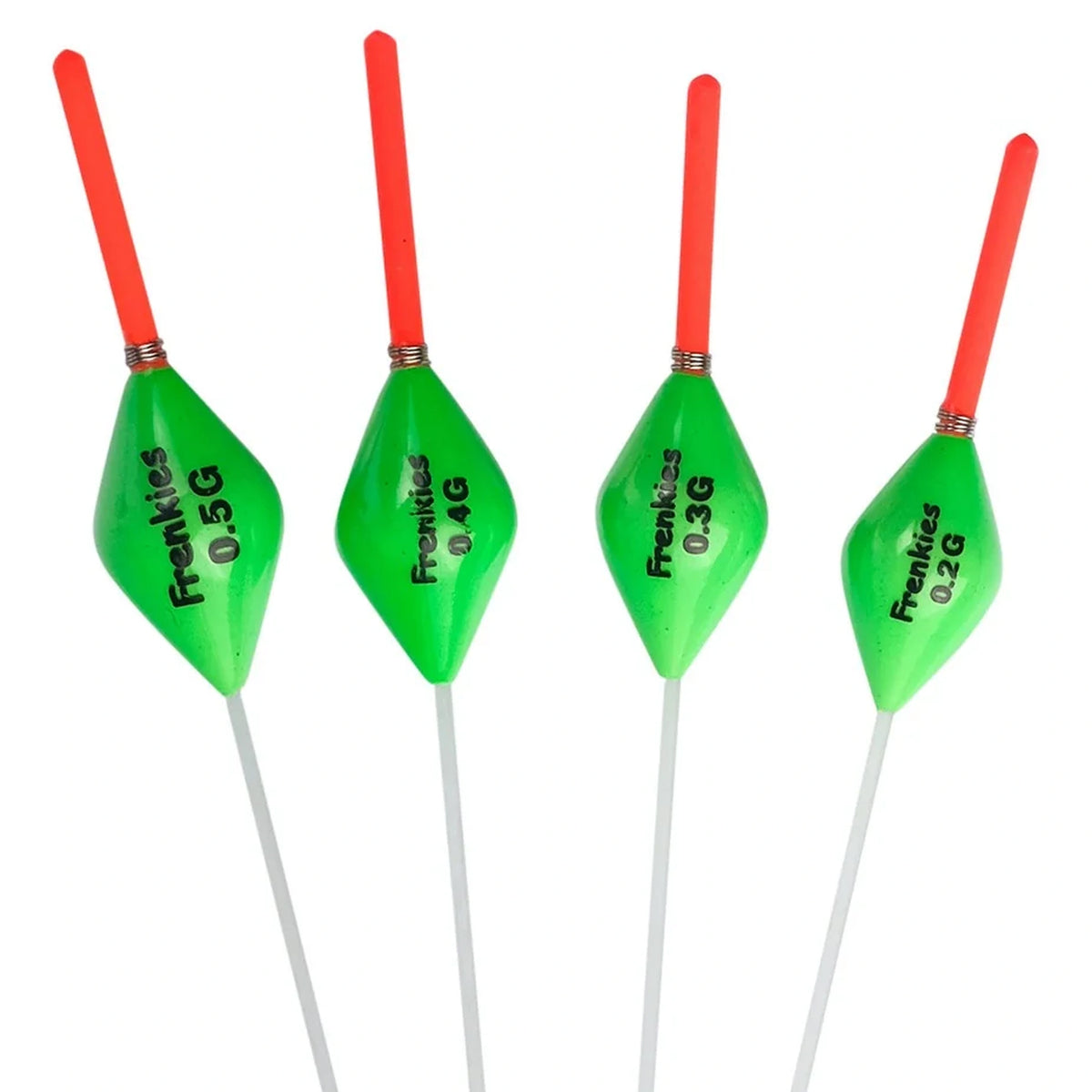
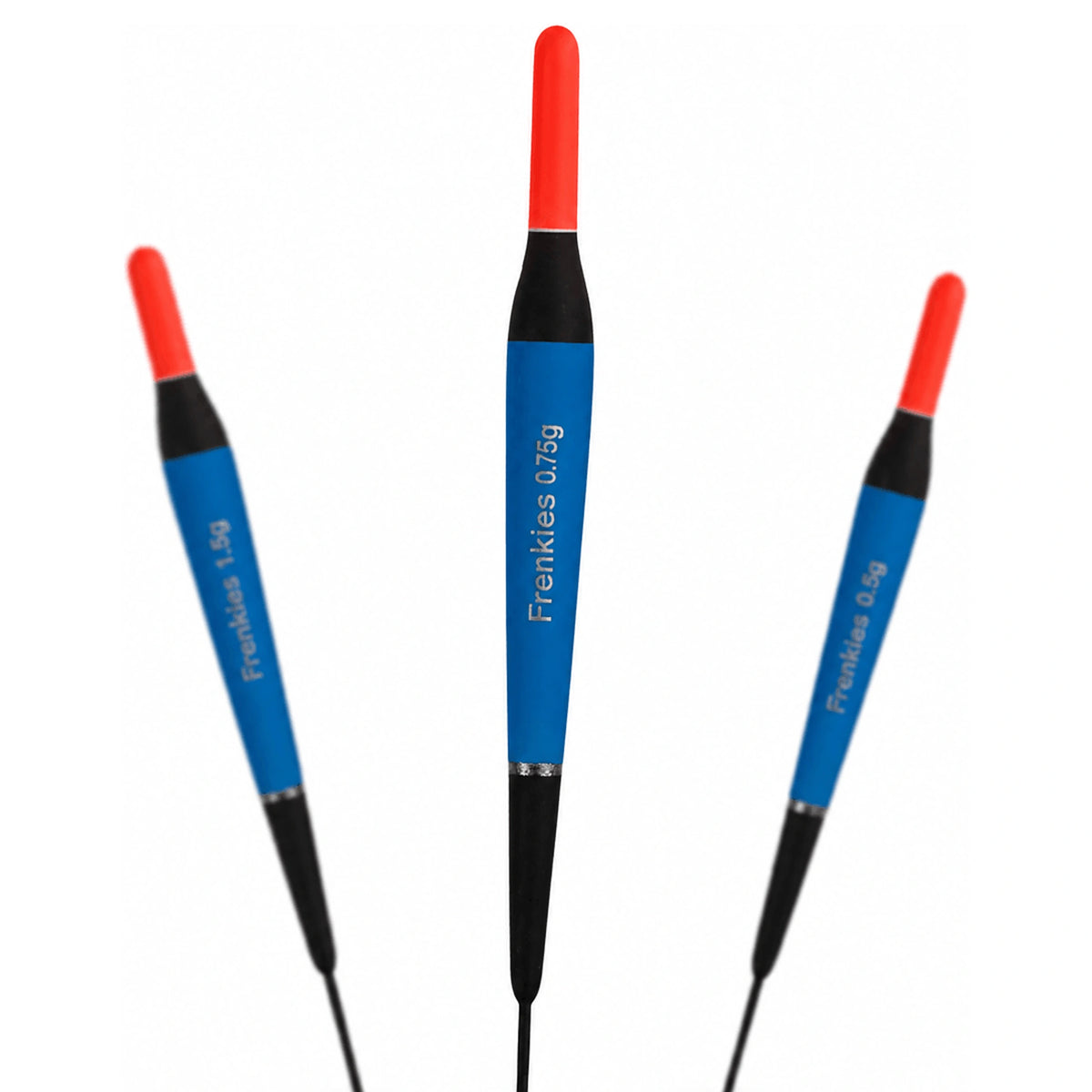
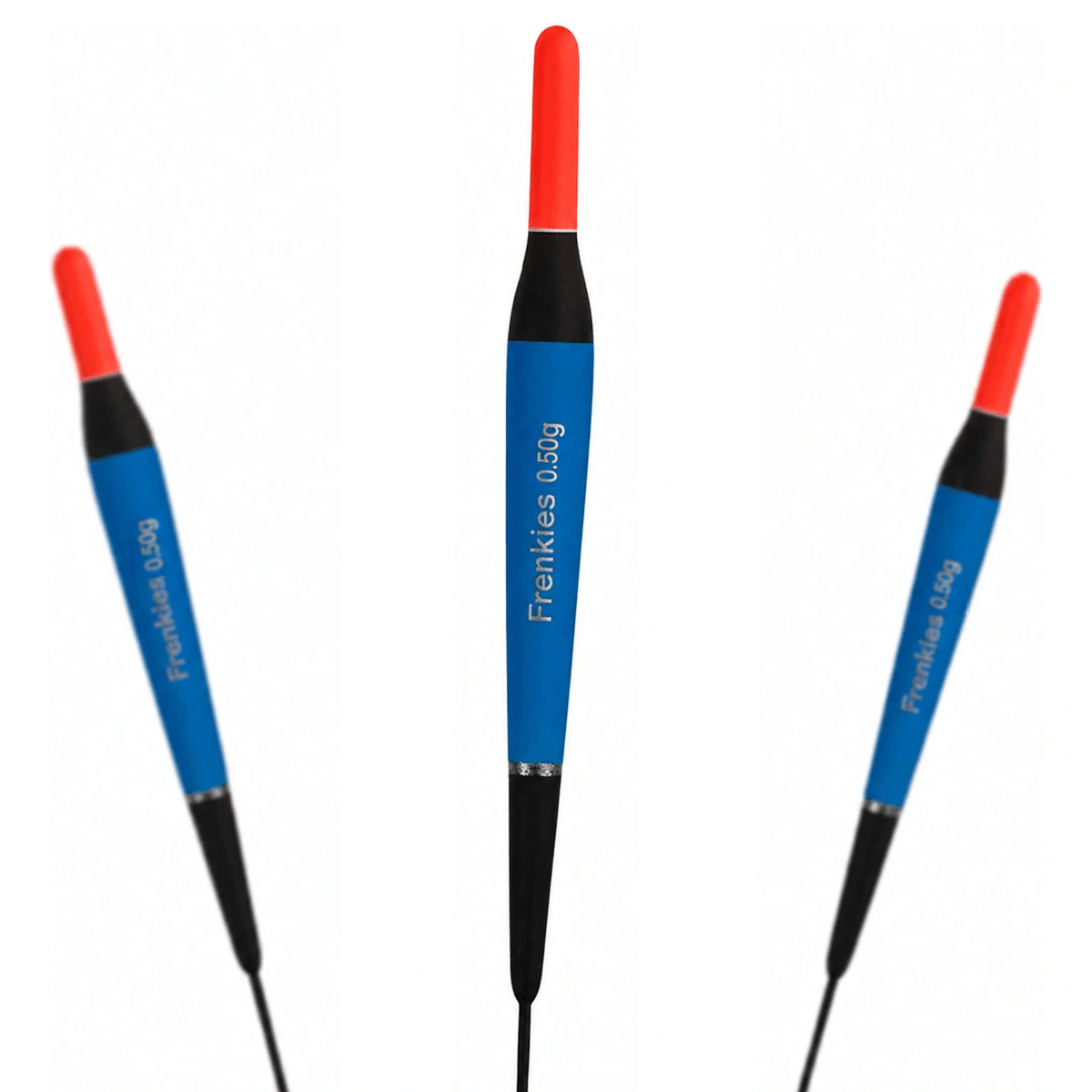
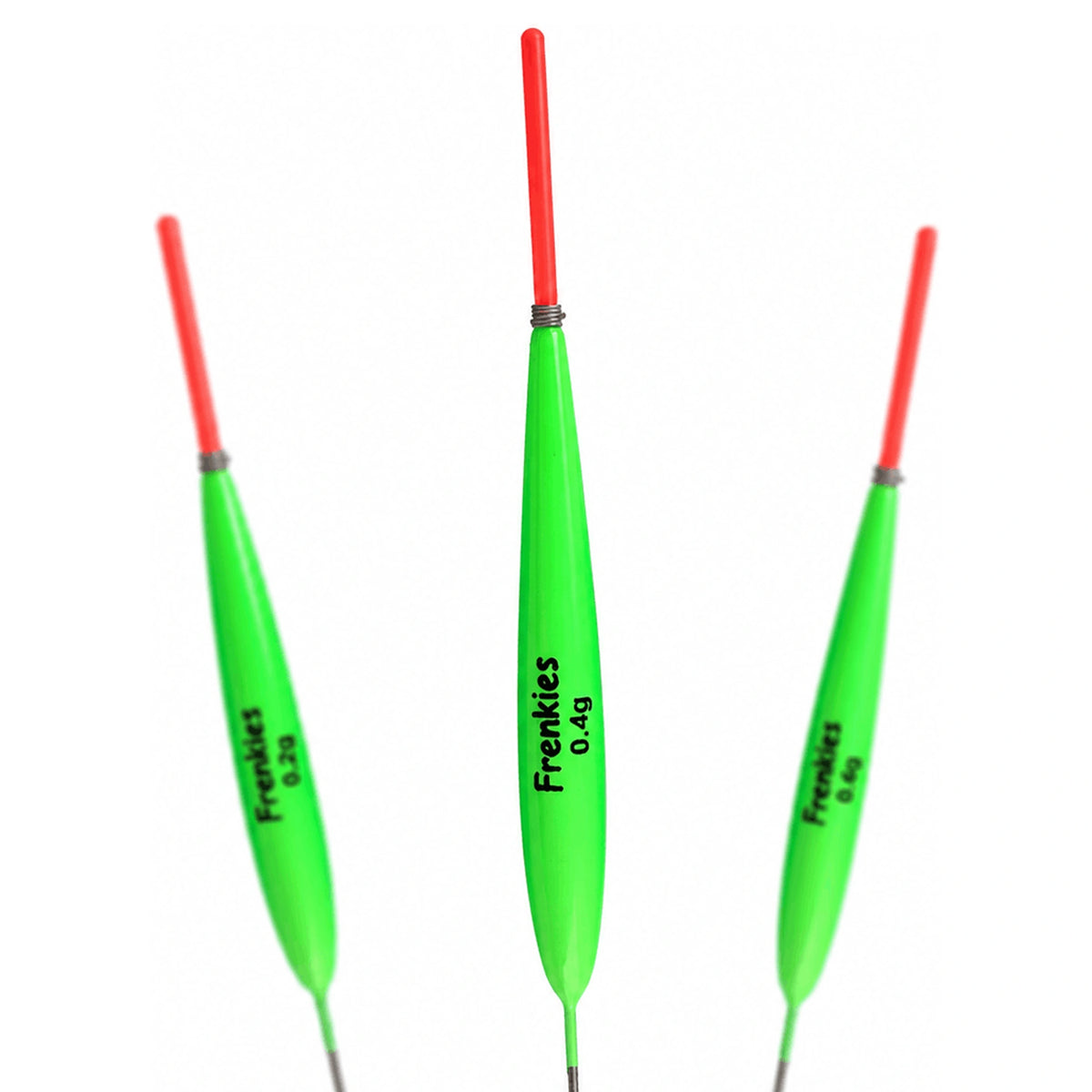
Making the right float choice is essential for effective carp fishing. Floats are made from different materials, in various sizes and shapes, each intended for a particular type of fishing environment. You have access to a variety of competition floats, helping you find the ideal match for your needs. A well-chosen float provides the right buoyancy and sensitivity to detect even the smallest carp bites.
- Bait and rig setup:
Because carp have a wide variety of feeding habits, the bait you choose will determine how effectively you fish. Hempseed, wheat, sweetcorn, maggots and pellets are commonly used carp baits. It is crucial to set up your rig carefully when using a float. This usually involves tying a hook to the end of your line, baiting it with your favourite carp bait, and adjusting the depth at which the line hangs below the float.
- Water conditions:
A good day of float fishing depends on your ability to understand the characteristics of the water. Carp can behave differently in ponds, rivers and stillwaters. By adjusting the weight of your float and the length of your hooklength, you can respond to these changing conditions while float fishing.
- Observation and patience:
Float fishing requires both awareness and patience. Pay close attention to the float after placing your bait at the right depth. Even the smallest movement may indicate the presence of carp. If you see the float dip or move irregularly, be ready to strike.
- How carp behave:
Carp are known for their cautious and often unpredictable behaviour. They may inspect the bait before taking it. With a well-chosen float, you can identify these subtle movements and adjust your response accordingly.
- Floats for serious competition anglers
Having the right equipment is essential for anglers passionate about competition fishing. Access to a range of competition floats allows you to meet the specific demands of your events. These floats are often expertly made and refined to meet the requirements of experienced anglers.
- Carp floats: a specialist option for pole fishing
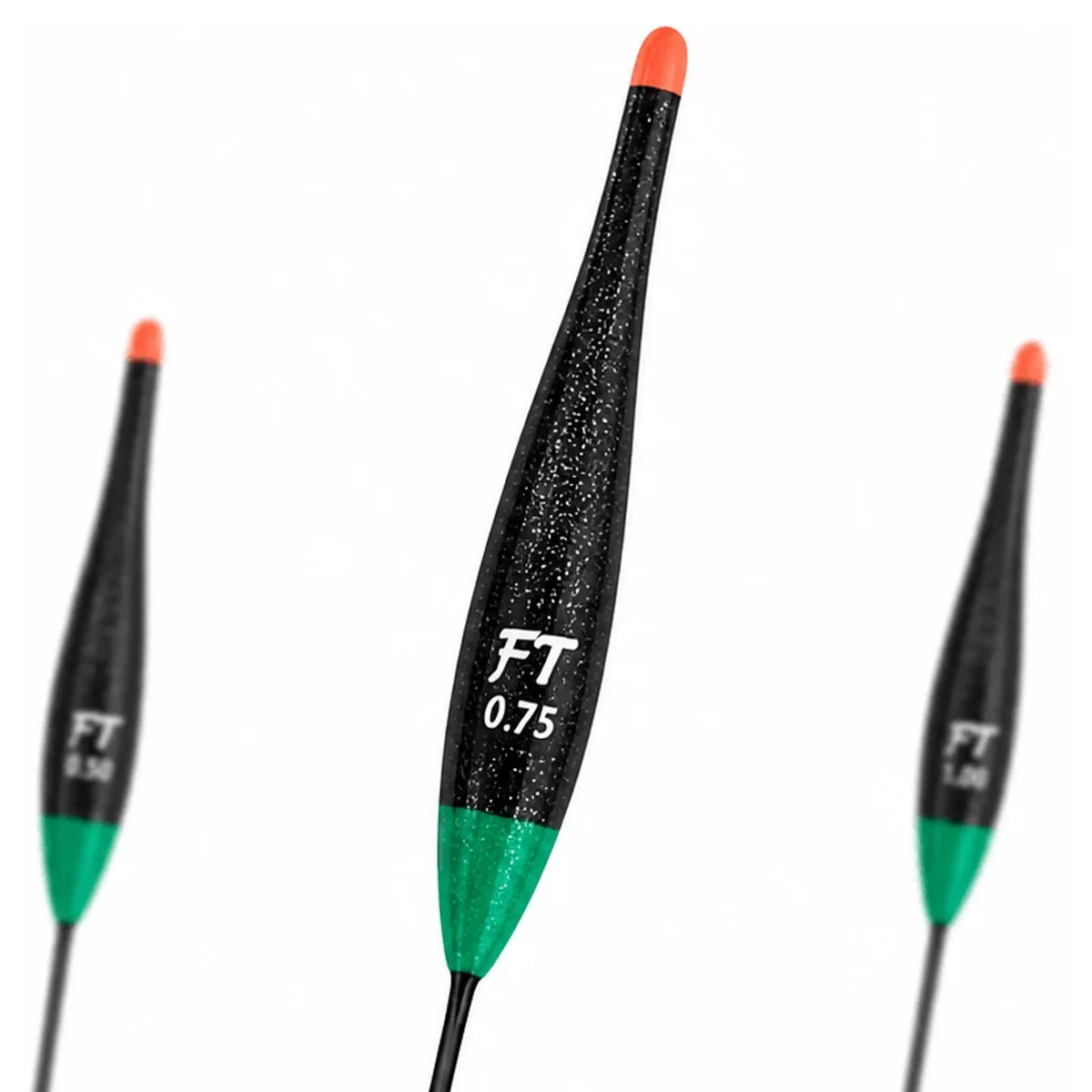
Fishing with a pole gives anglers access to areas that were previously out of reach. Specific carp floats for pole fishing are specialist tackle that works well for this method. They are generally slimmer and longer than standard floats, making it easier to set your bait depth accurately and maintain balance while pole fishing.
In conclusion, float fishing for carp can be an enjoyable and successful technique for both recreational and competition anglers. Success depends on selecting the right float, understanding the water conditions and perfecting your setup. Carp floats for pole fishing offer a unique way to reach carp in difficult-to-access places, while competition floats are available for those who fish competitively. Ultimately, the excitement of fishing for carp with a float comes from the connection between fish and angler as you watch your float dance across the water’s surface and wait for a magnificent carp to take the bait.