

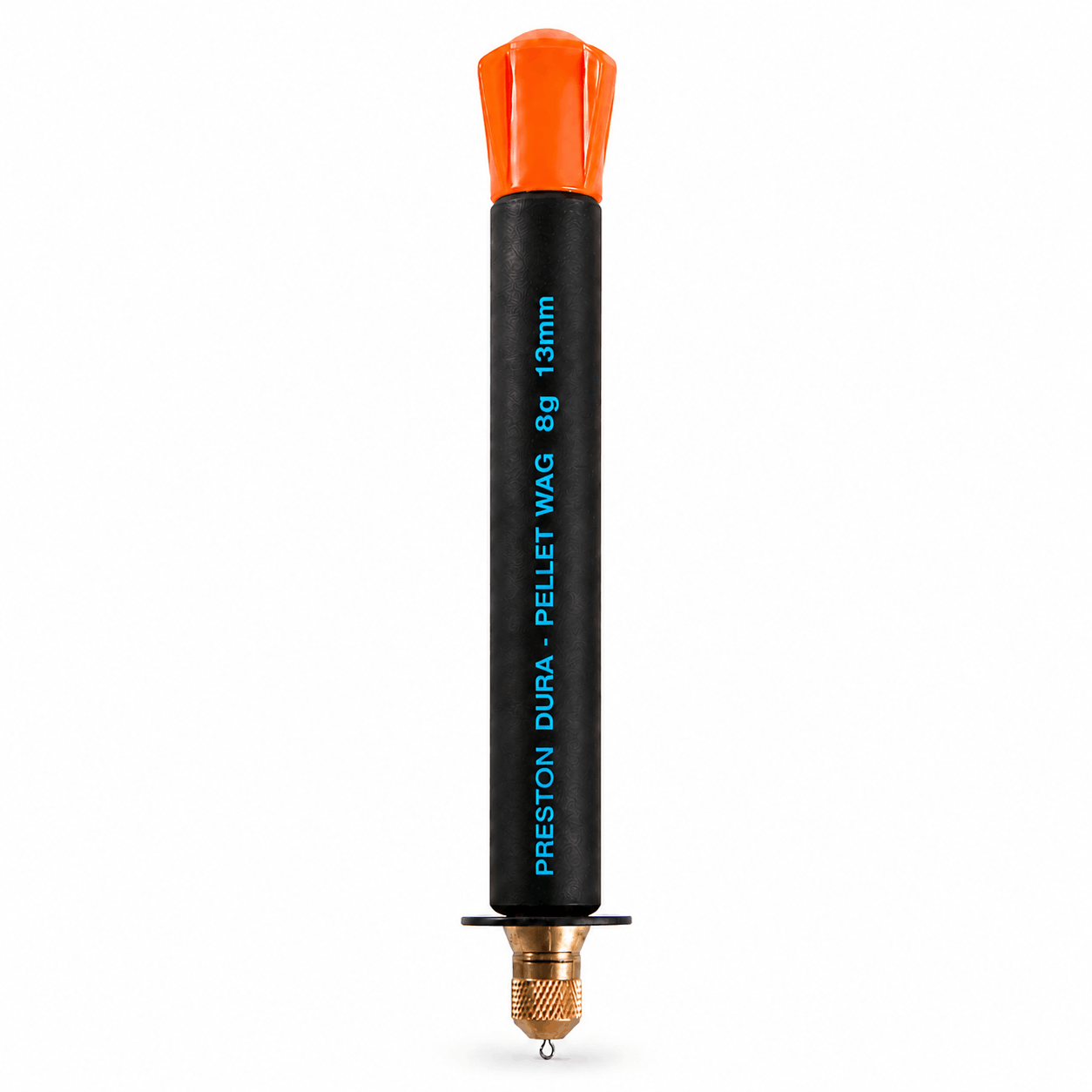
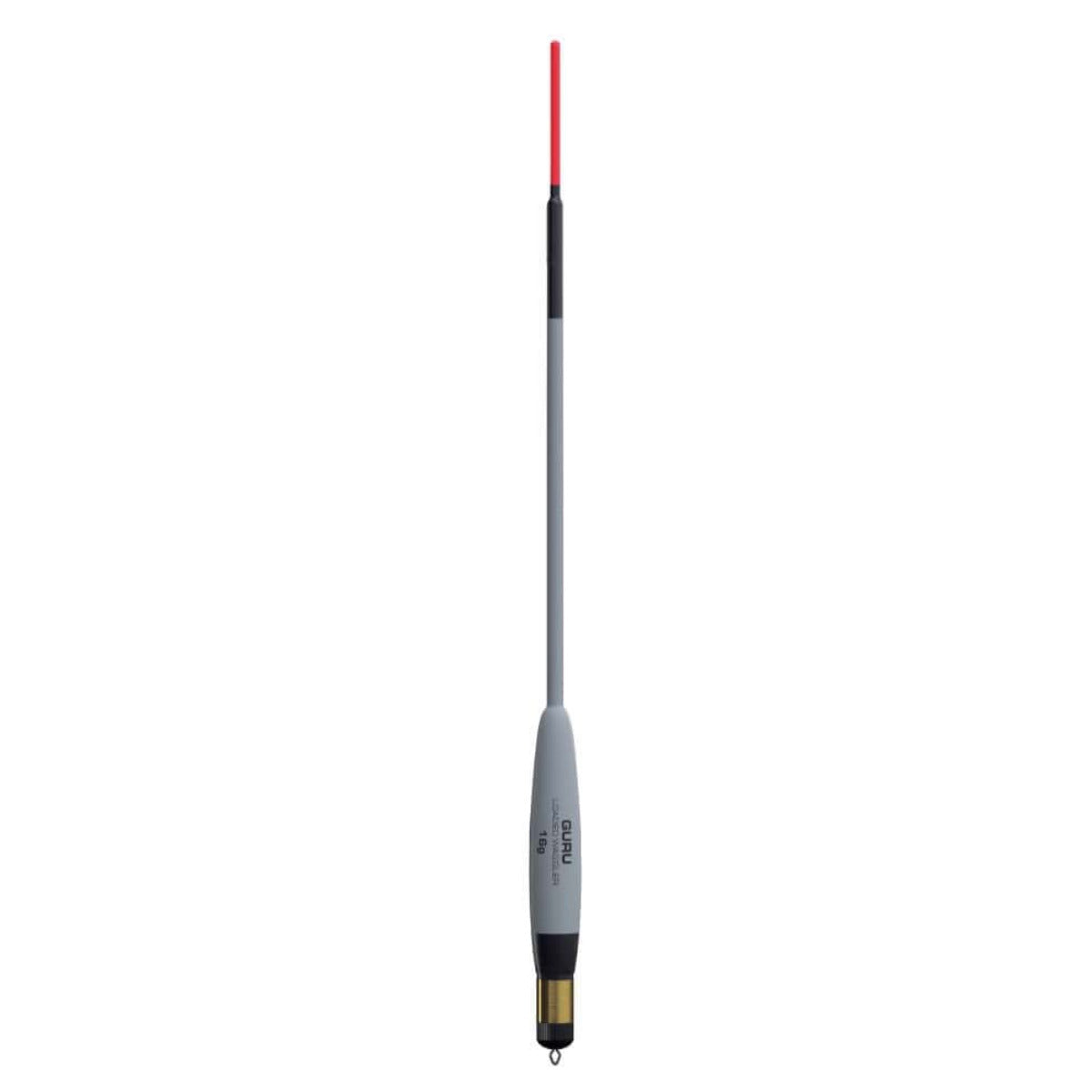
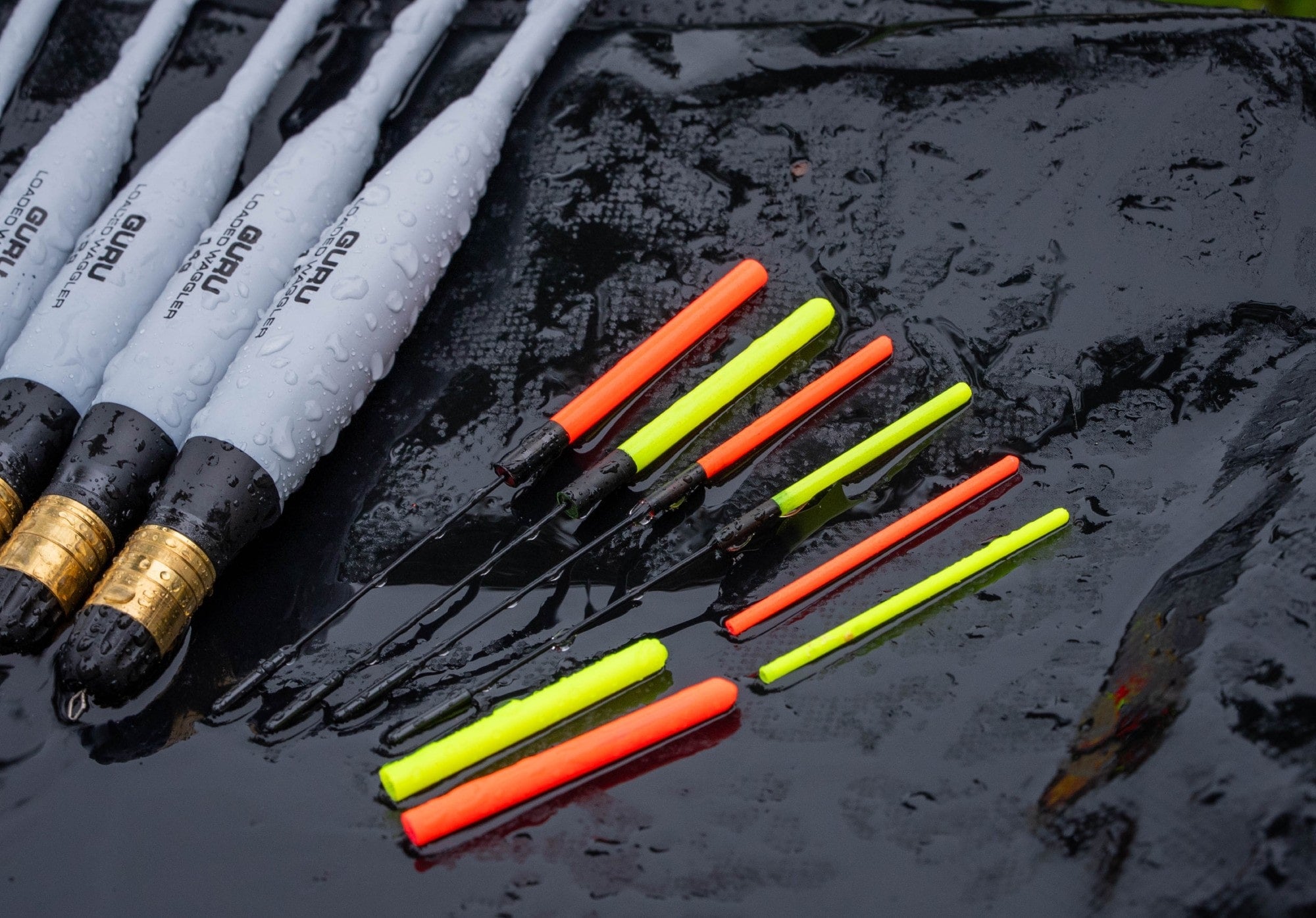

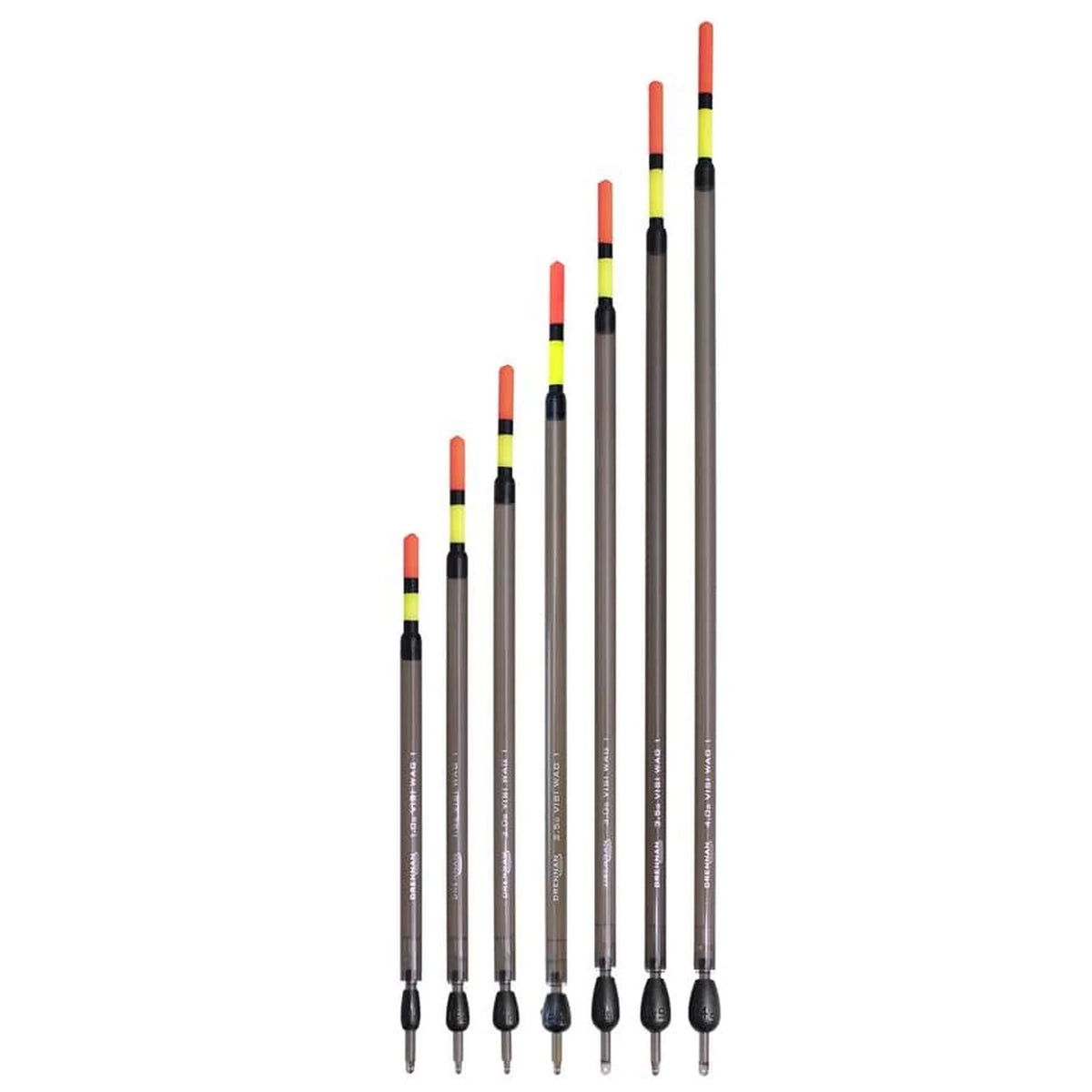

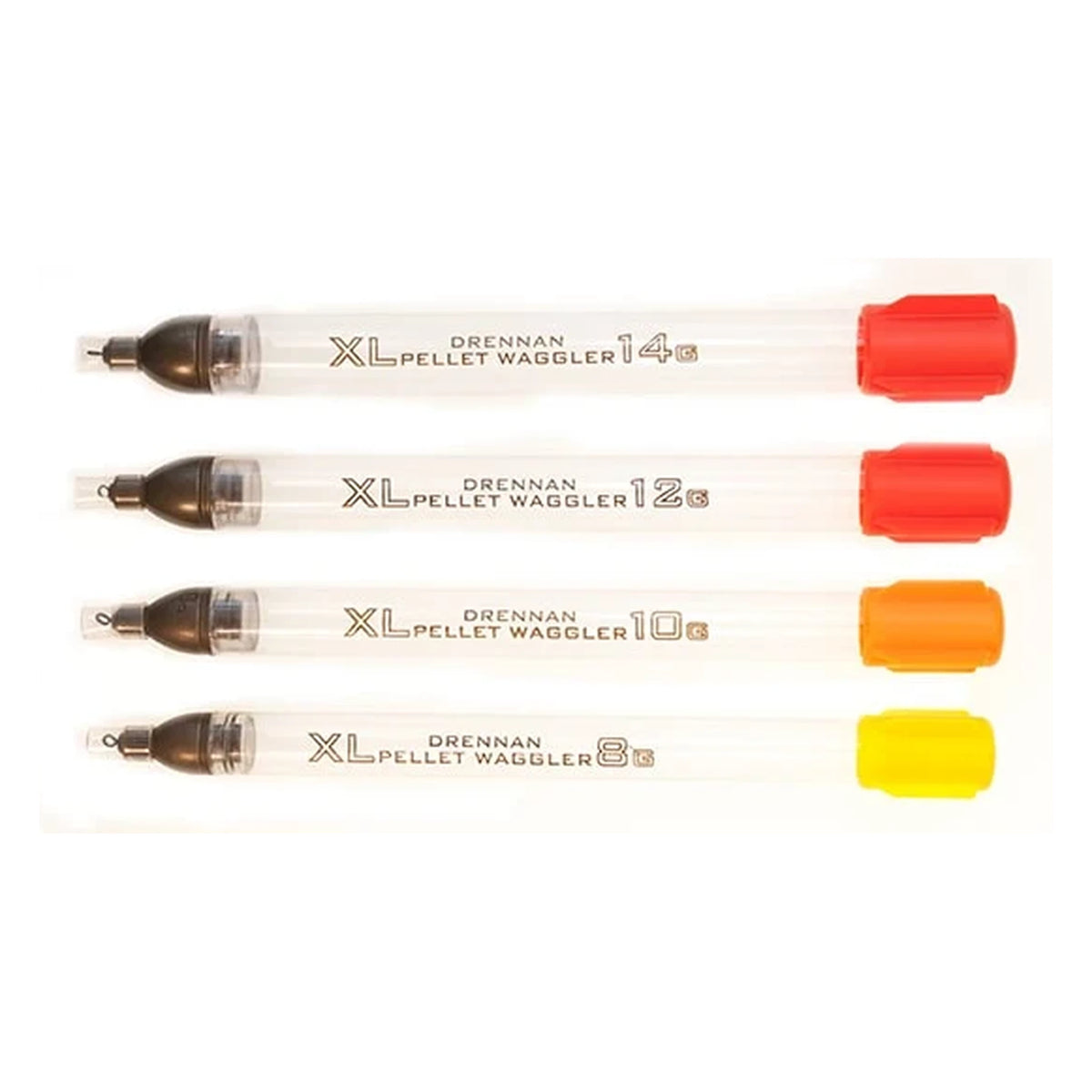
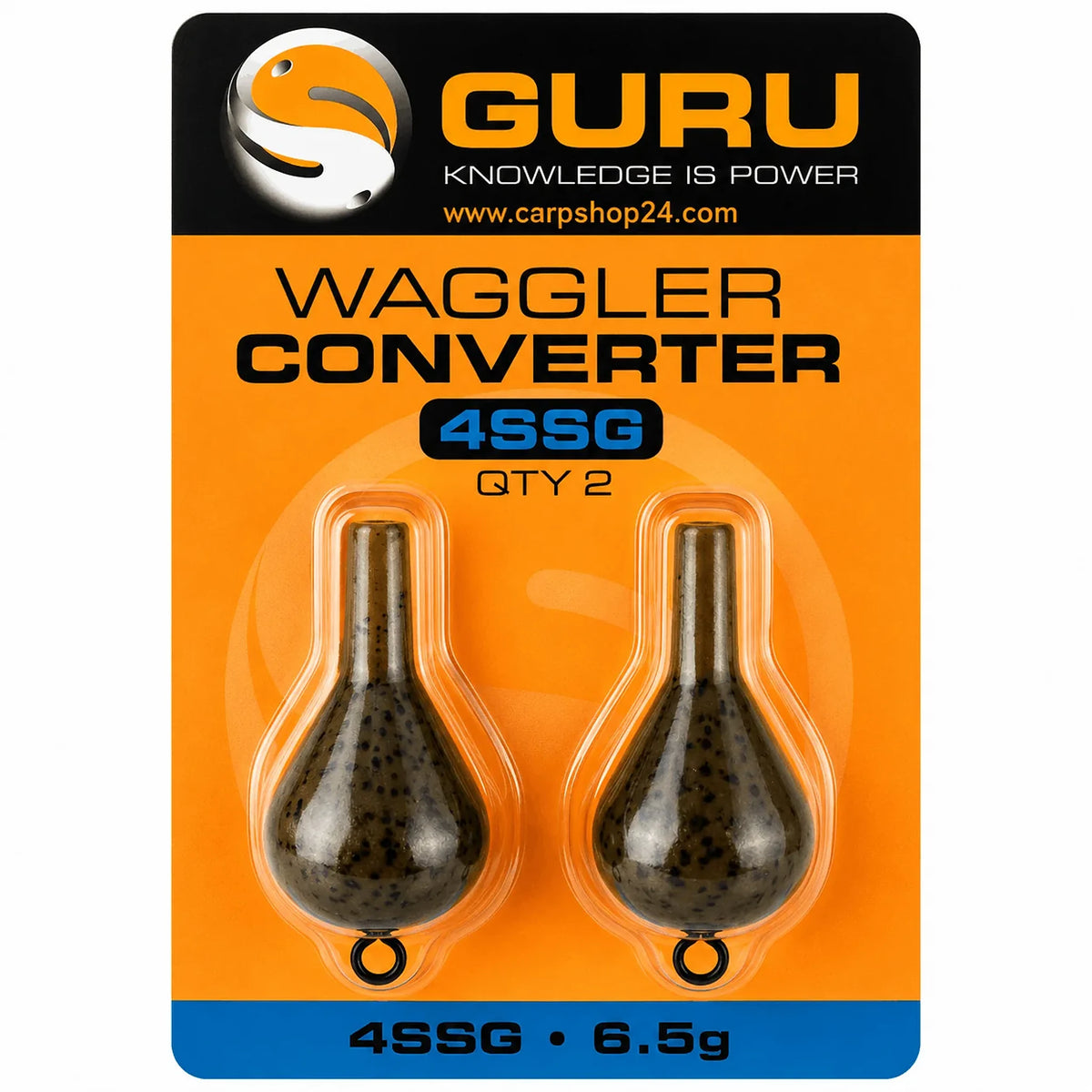
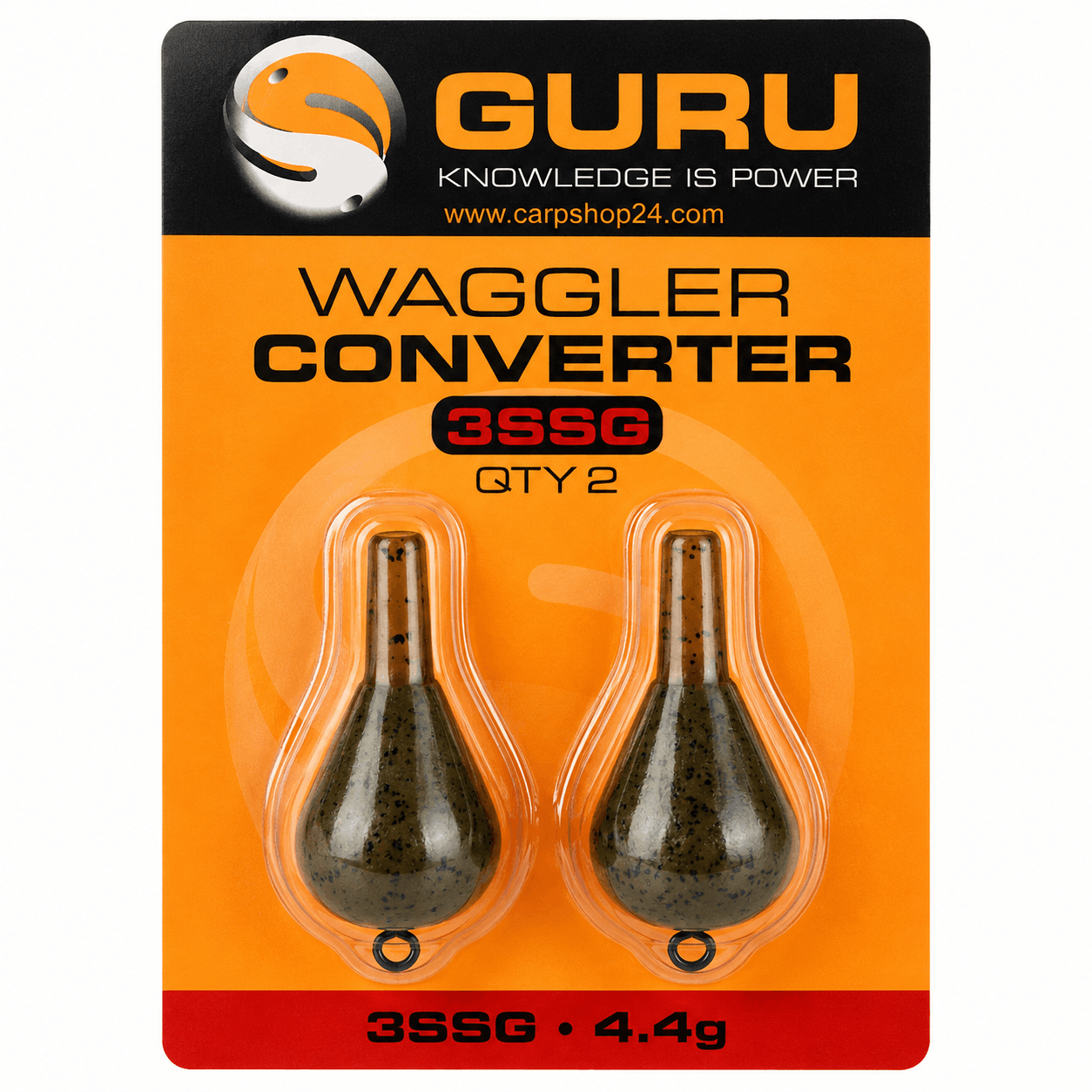
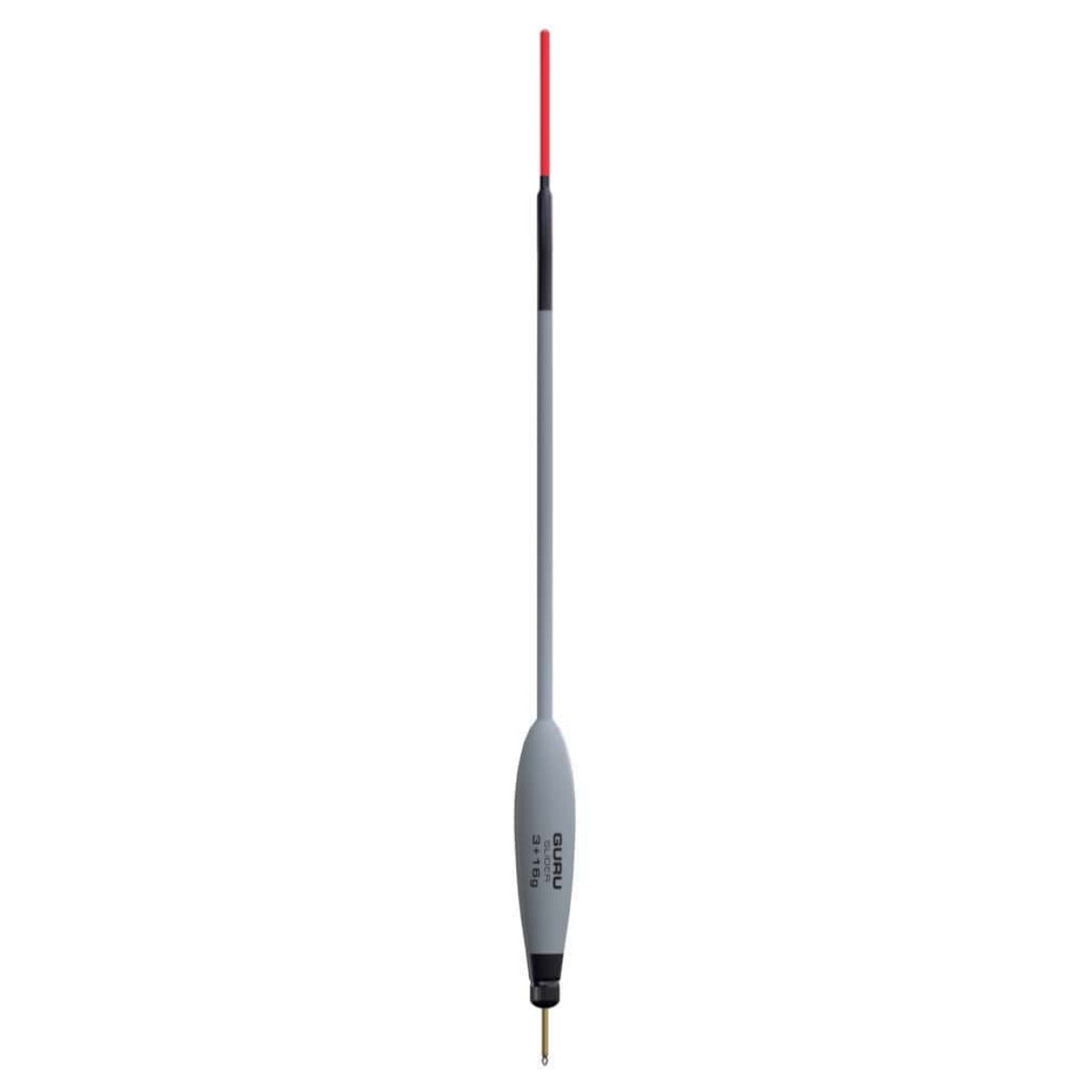






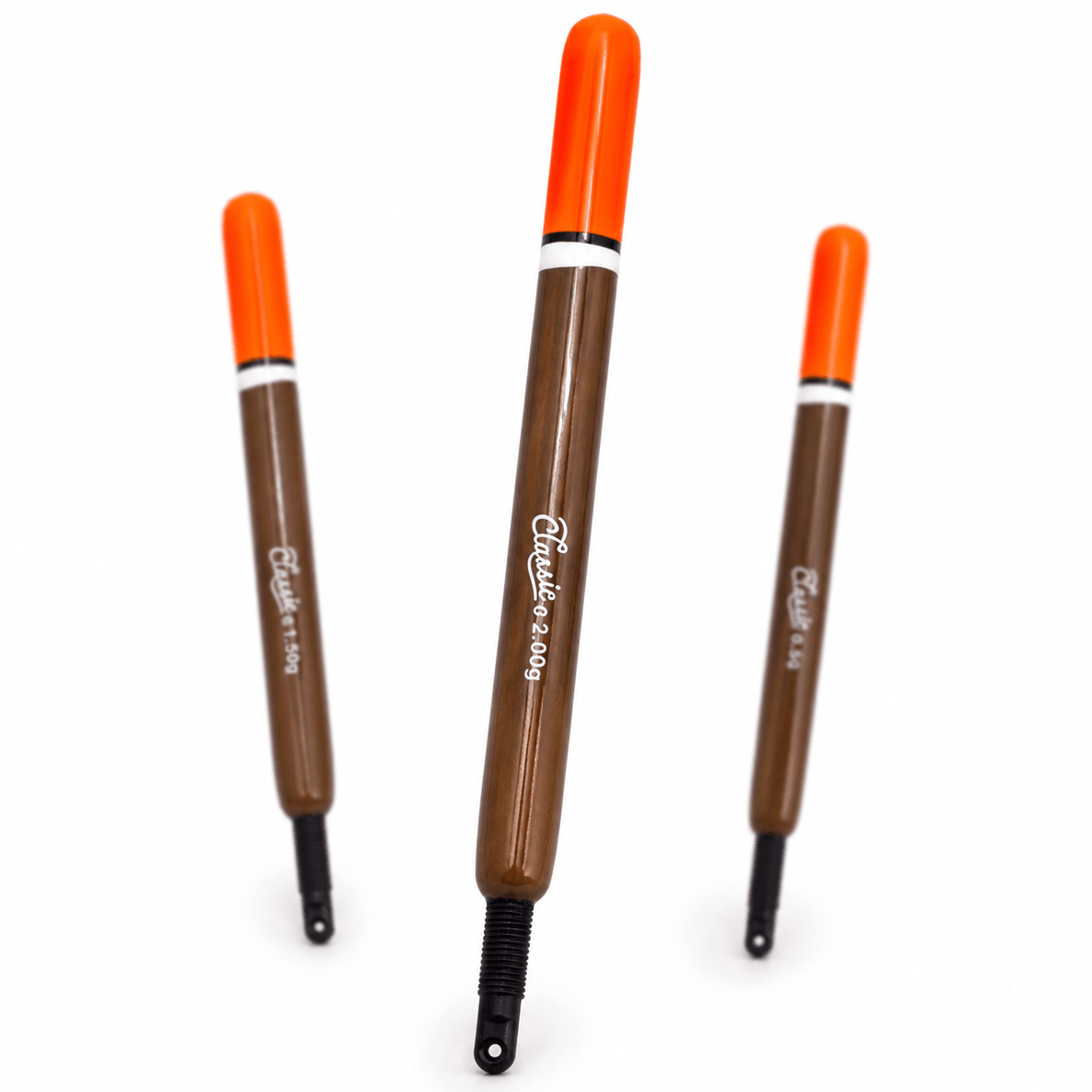
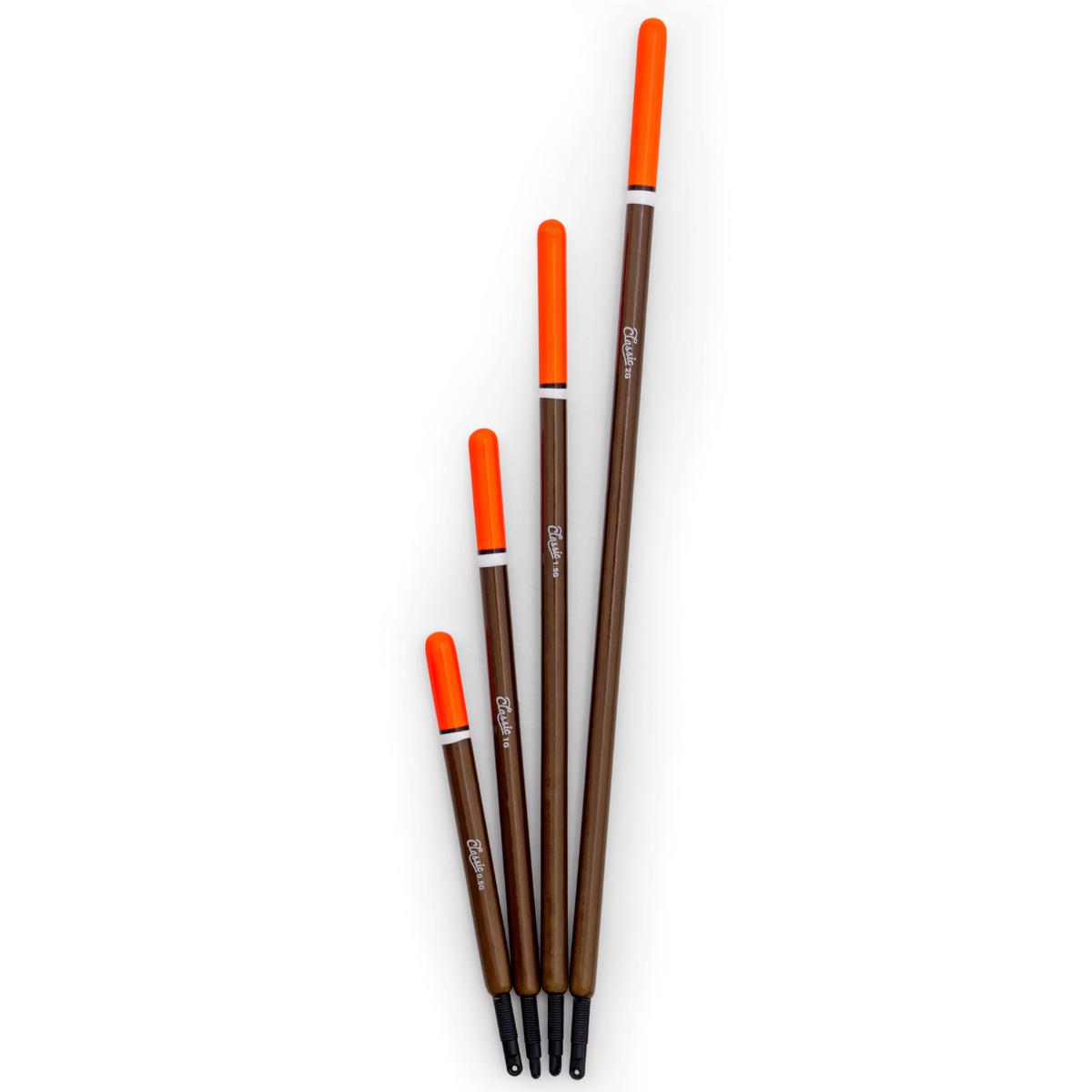
More about Feeder Wagglers & Accessories
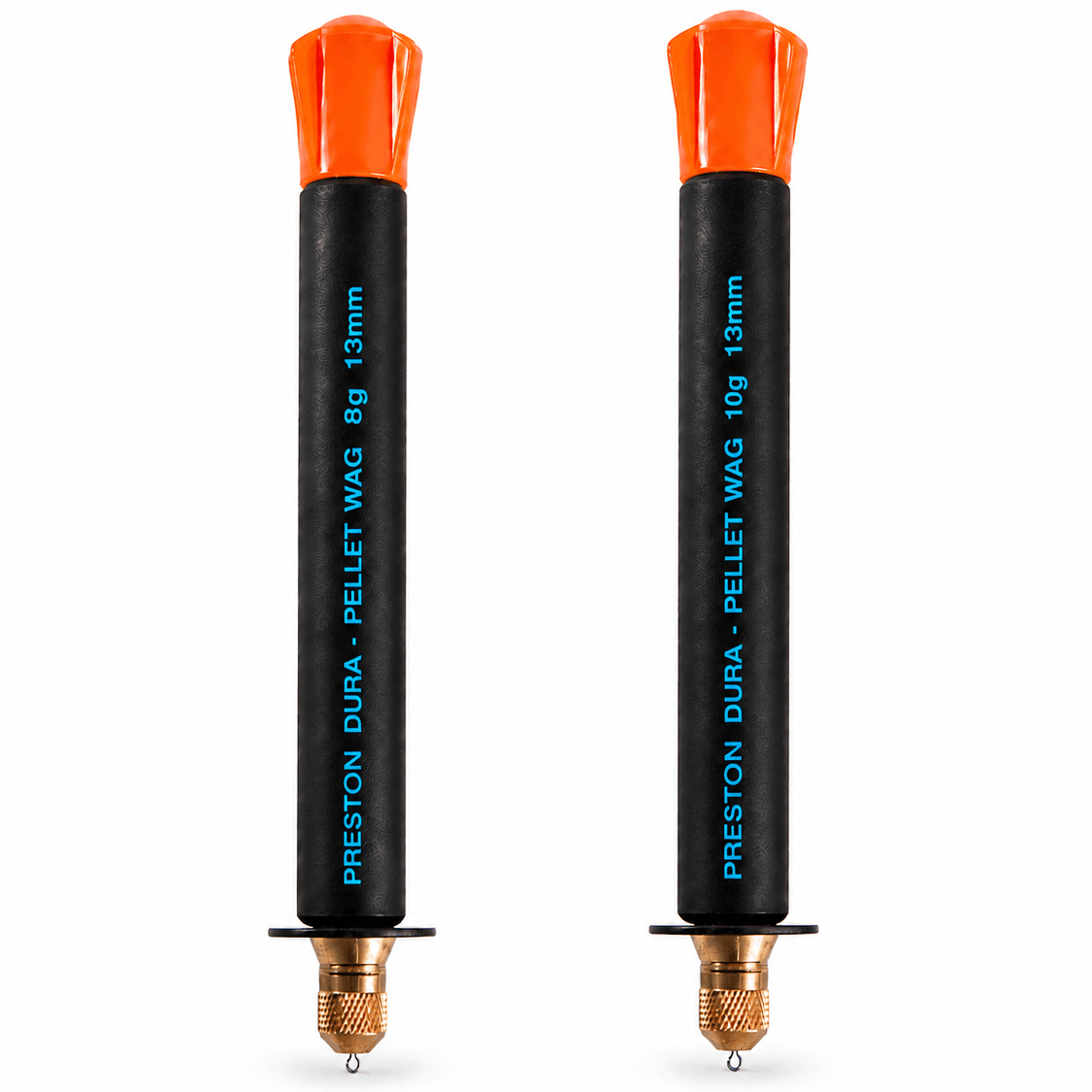
Cracking the code of fishing with a pellet waggler
A popular fishing method known for its ability to catch a wide variety of fish species is feeder fishing. Using a float while feeder fishing can have a major impact on your success rate. In this educational post, we explore the craft of feeder fishing with floats and provide tips and insights to help you become a better angler.
Types of feeder floats
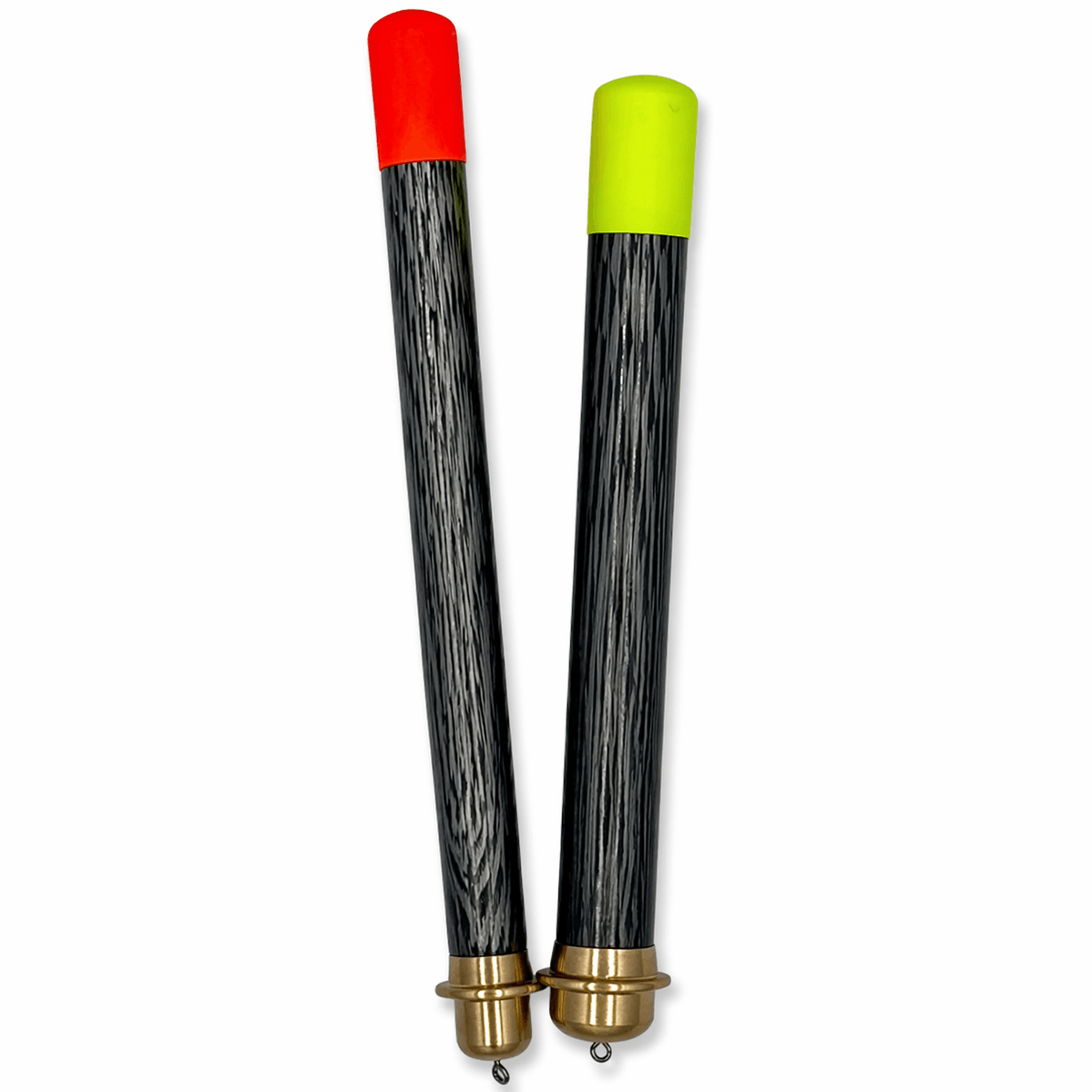
Success in feeder fishing depends on choosing the right float, which is available in different sizes and shapes. Here are some common types of feeder floats:
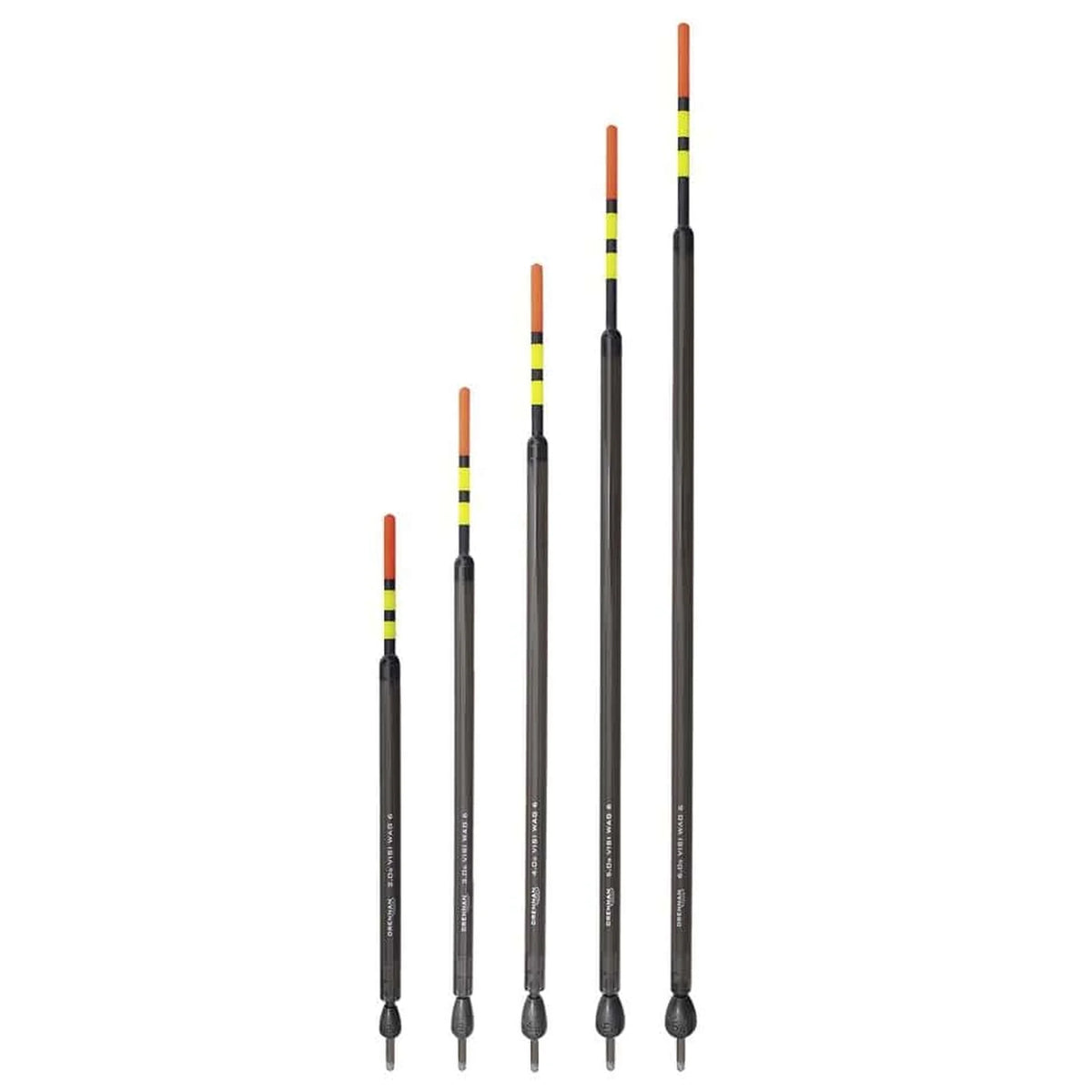
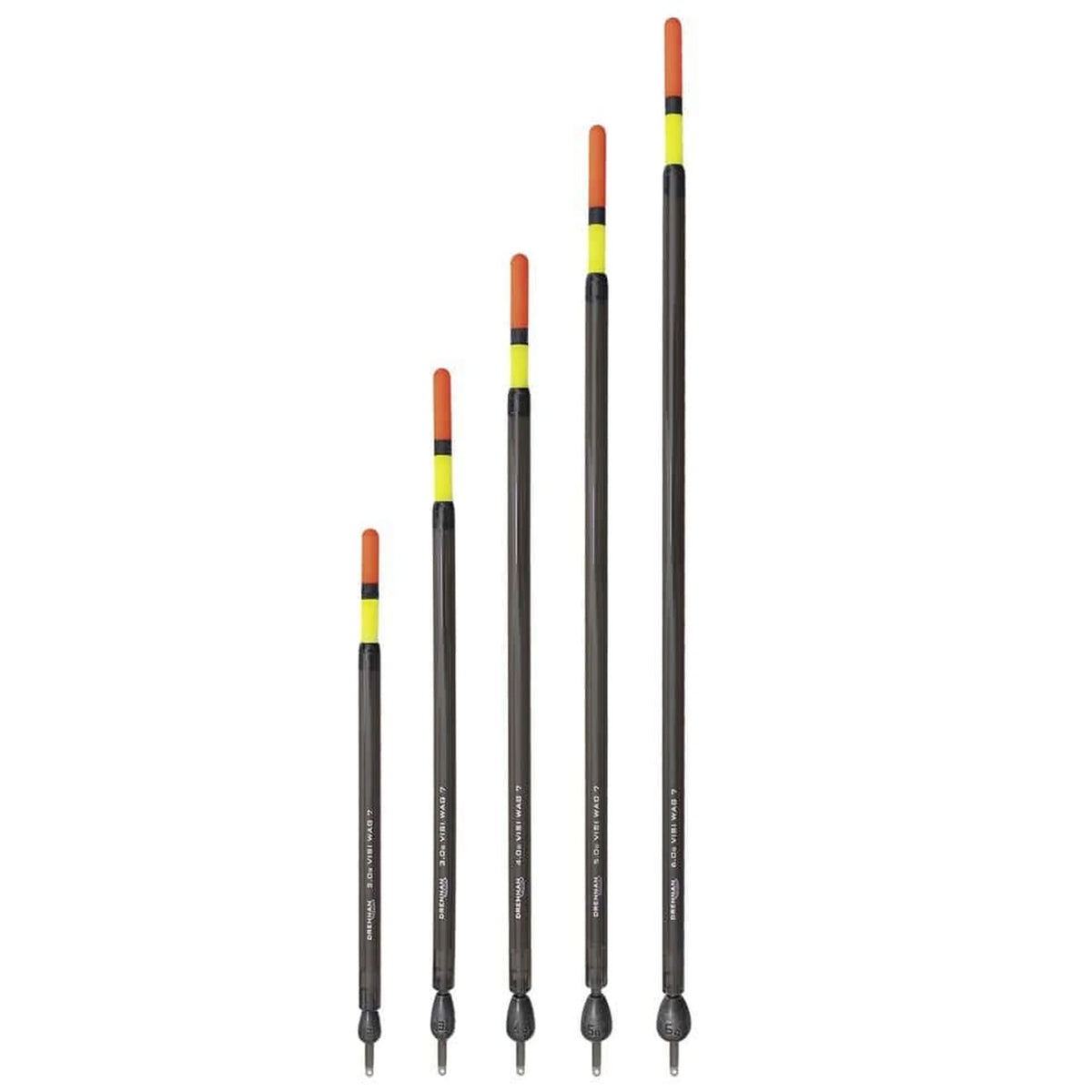
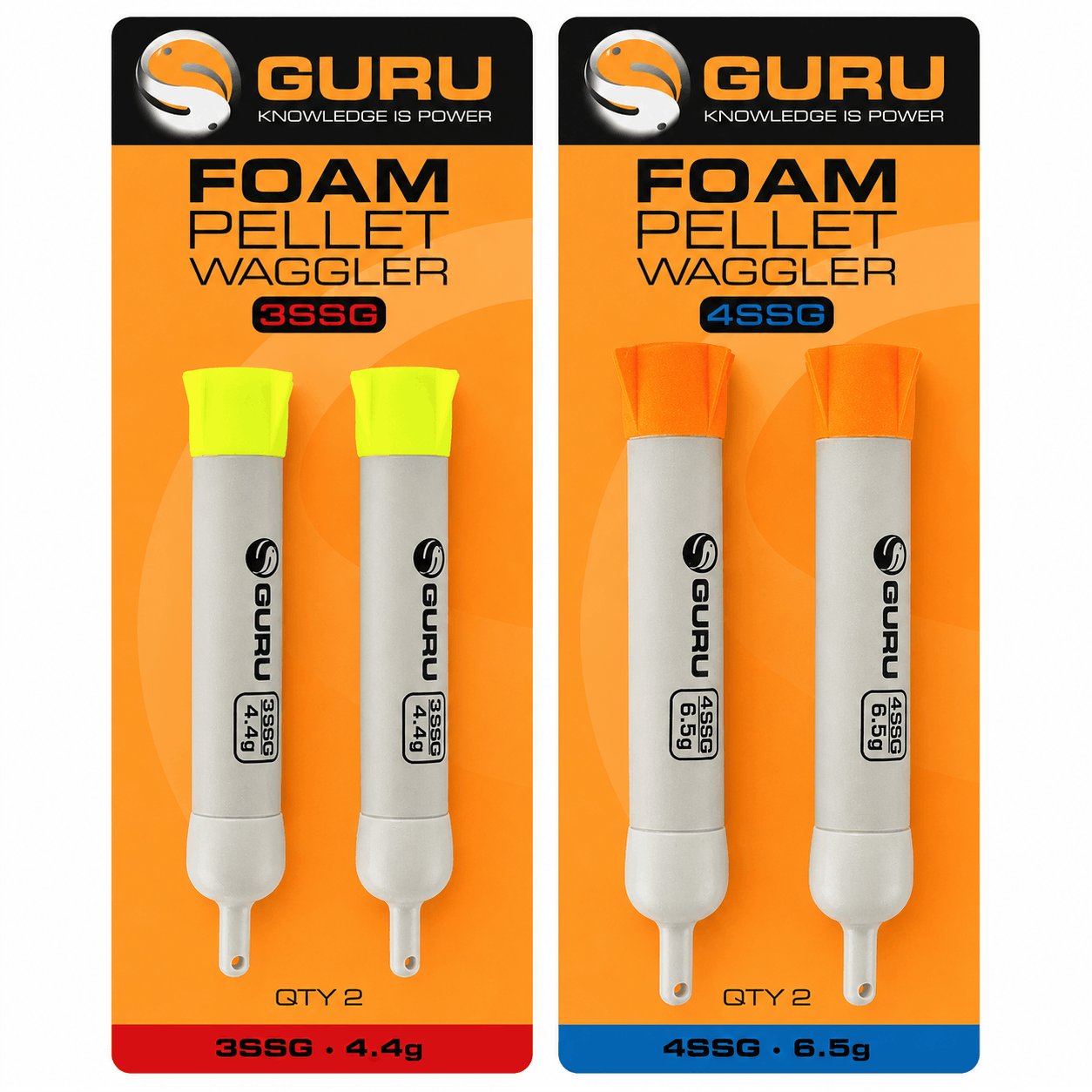
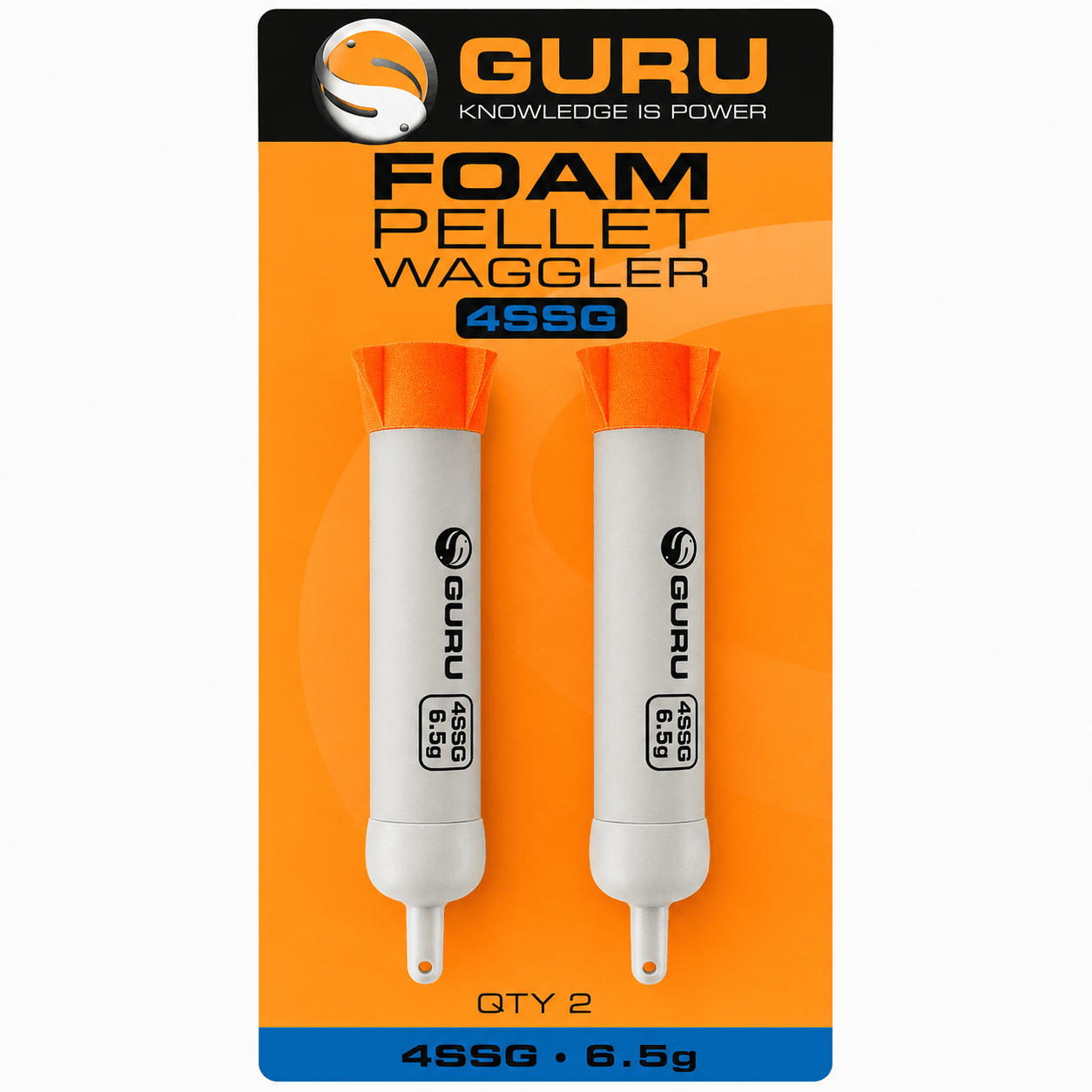
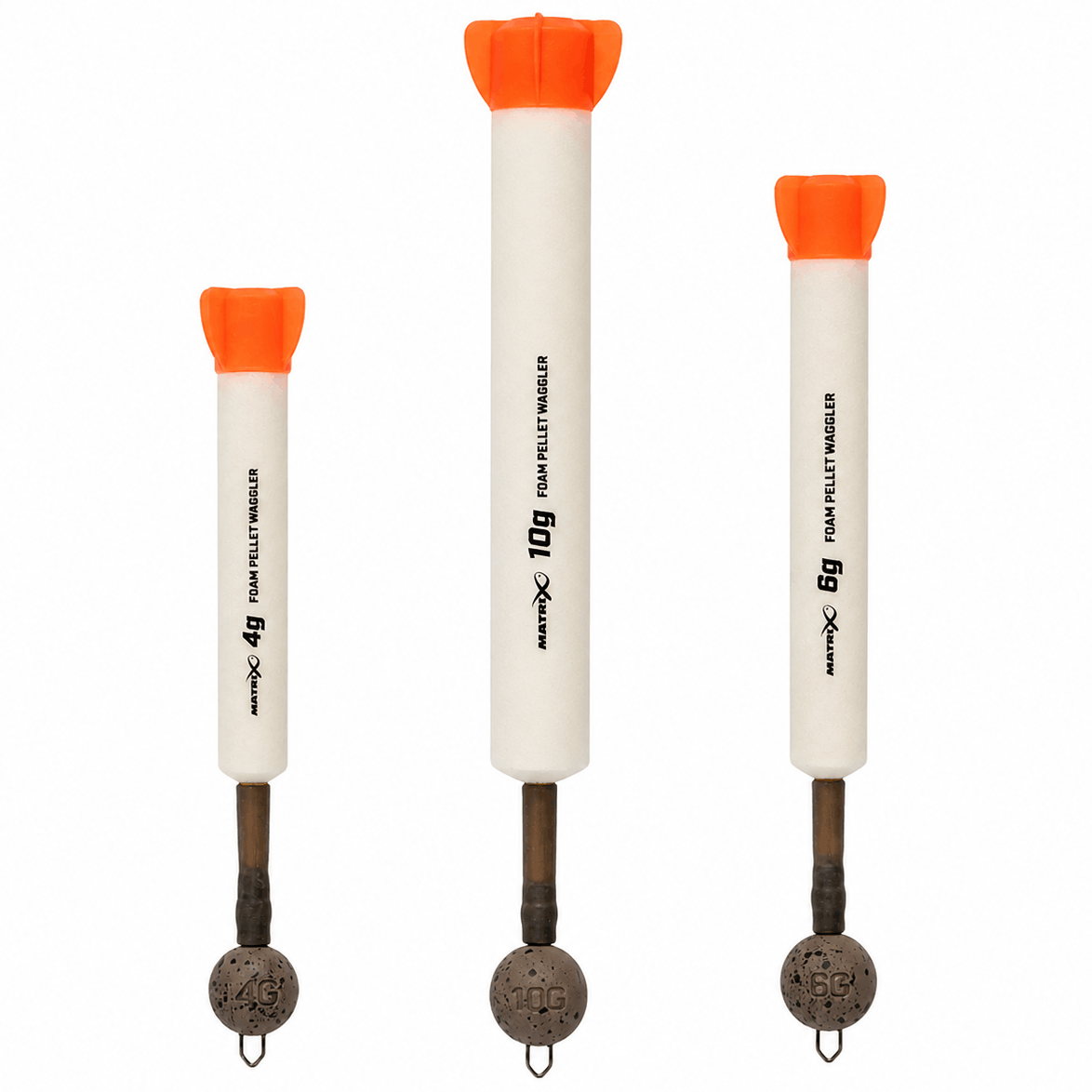
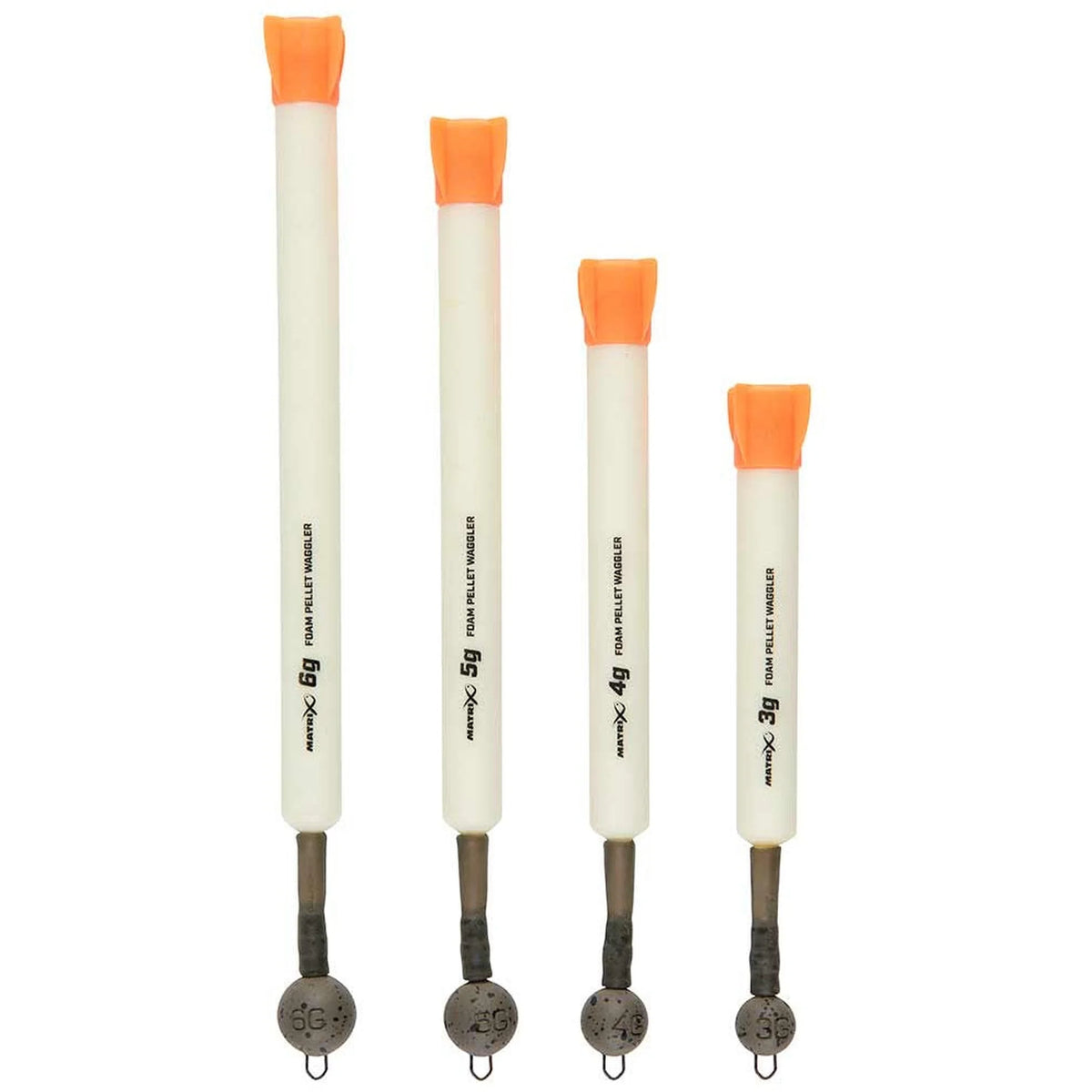
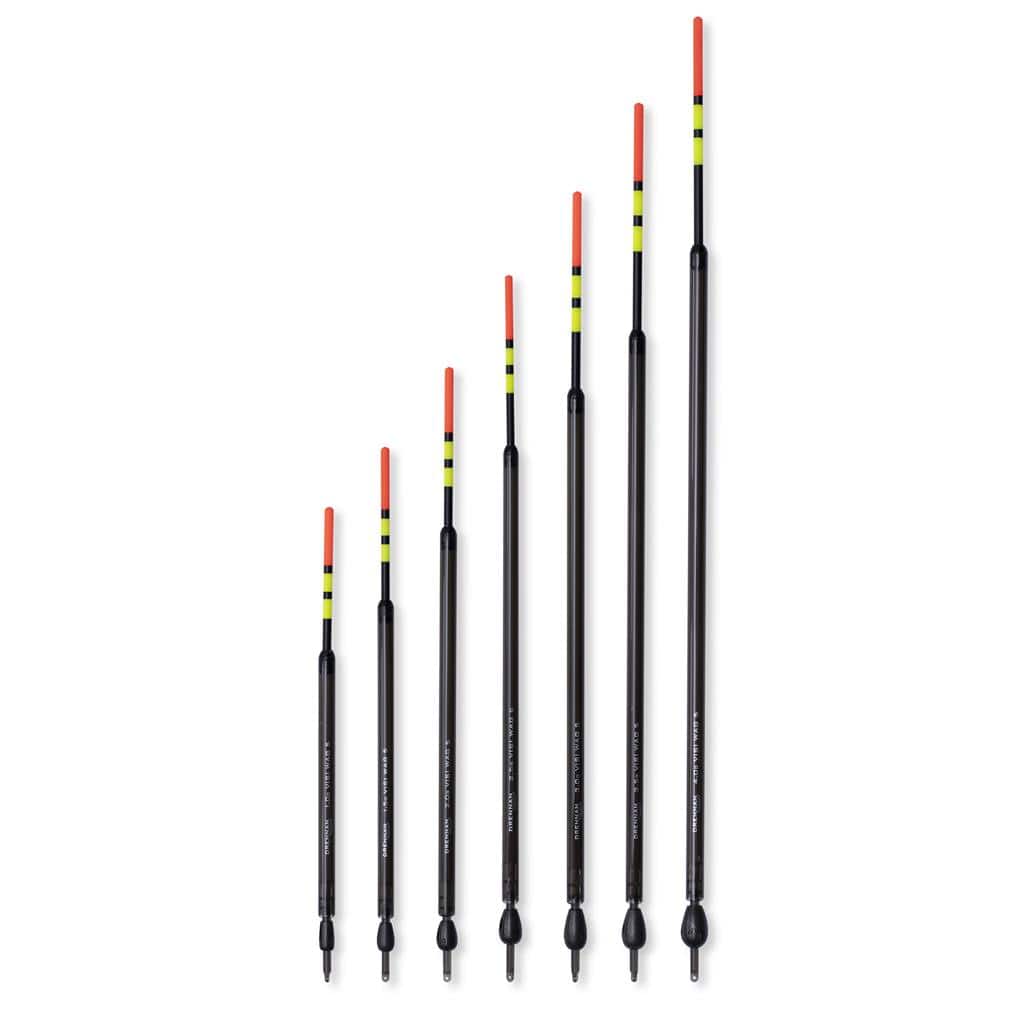
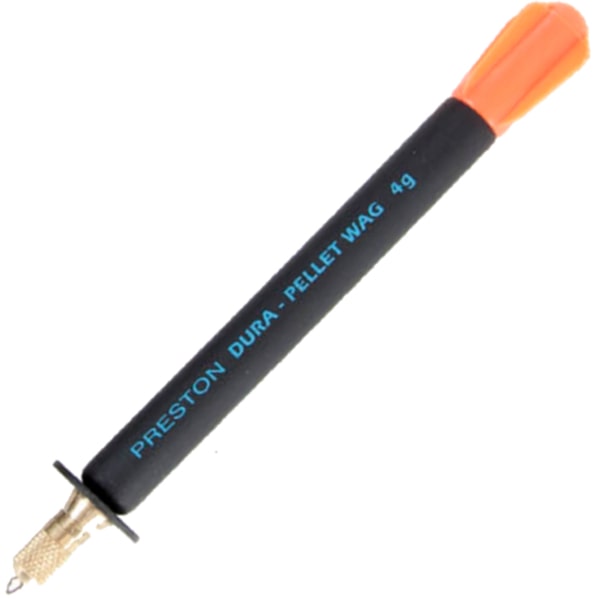
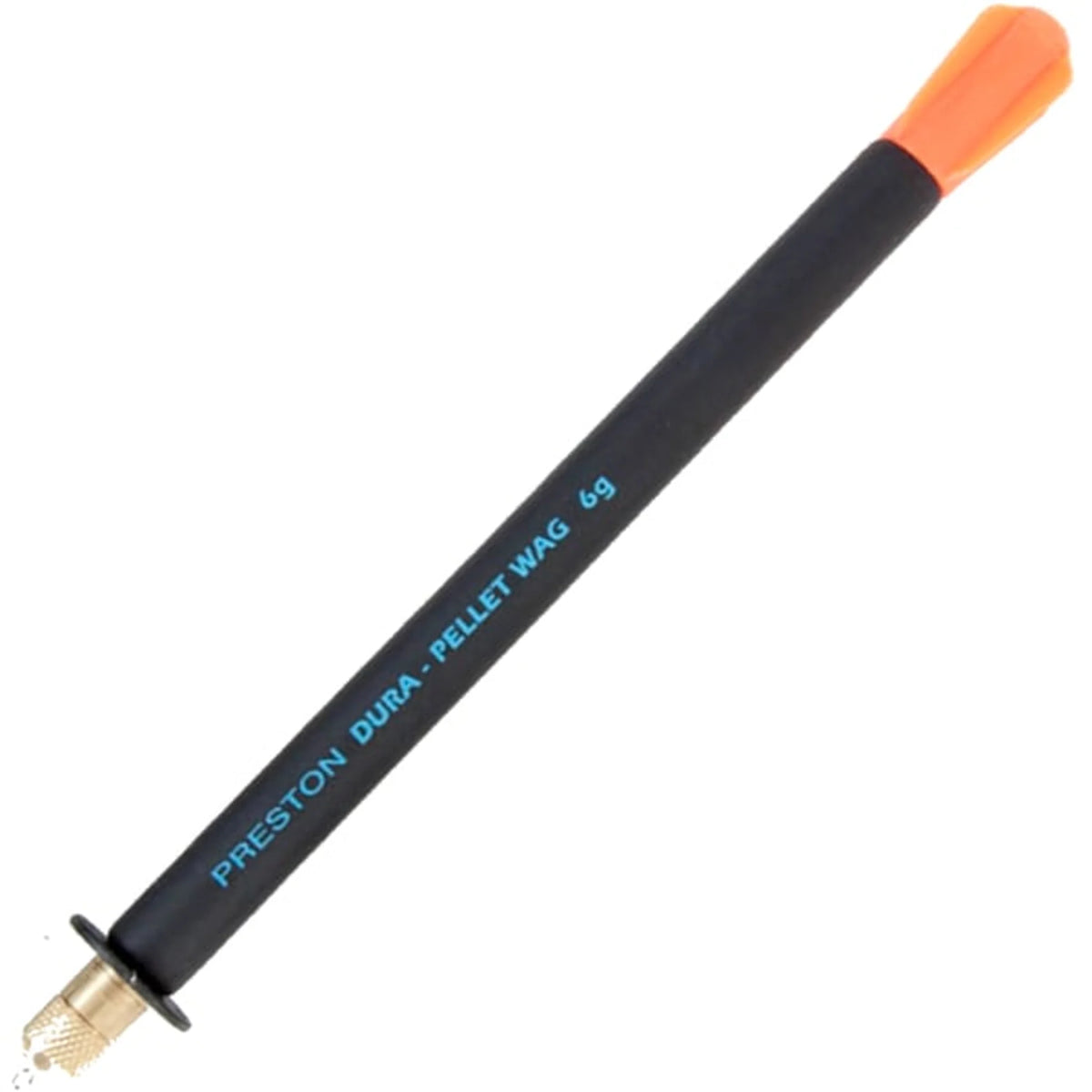
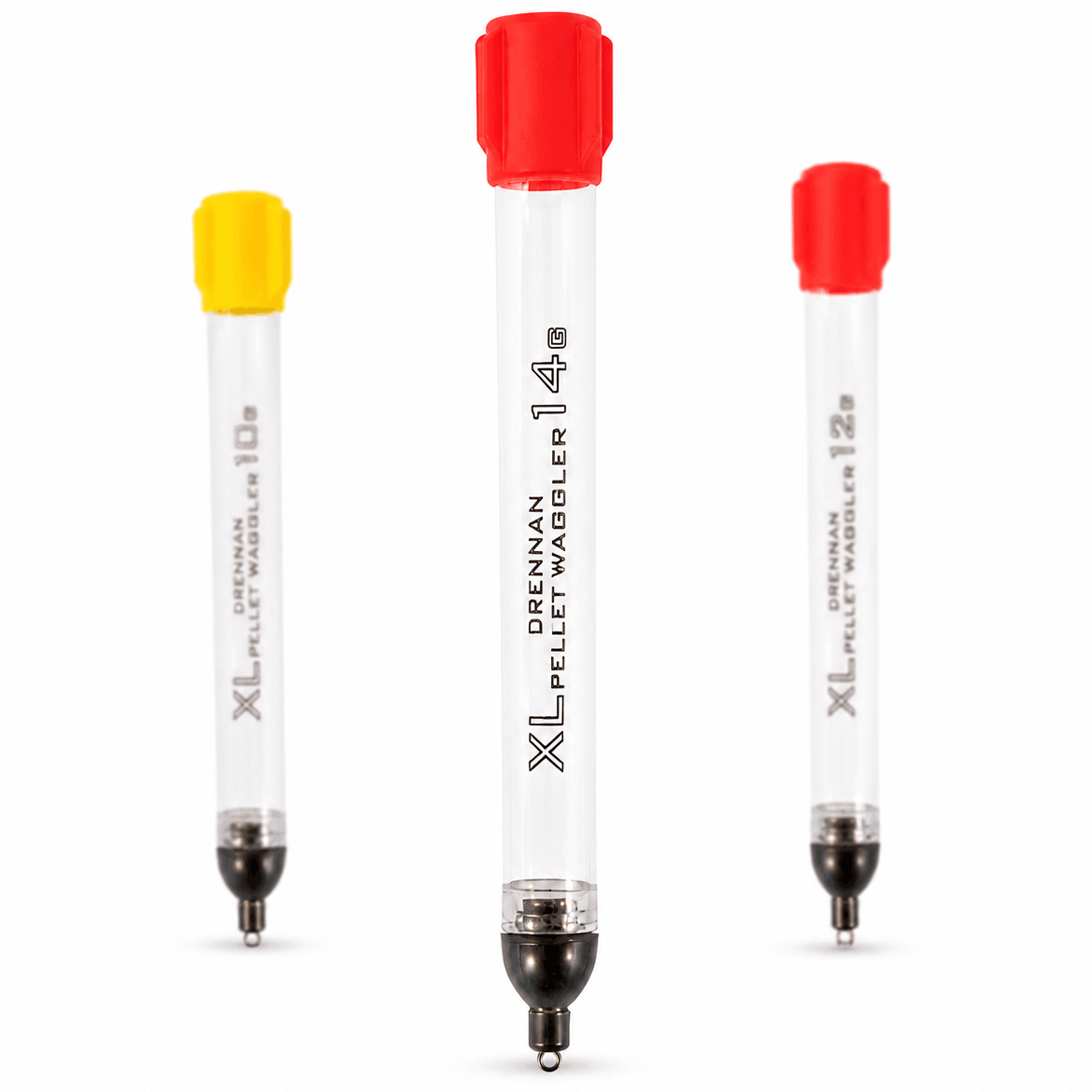
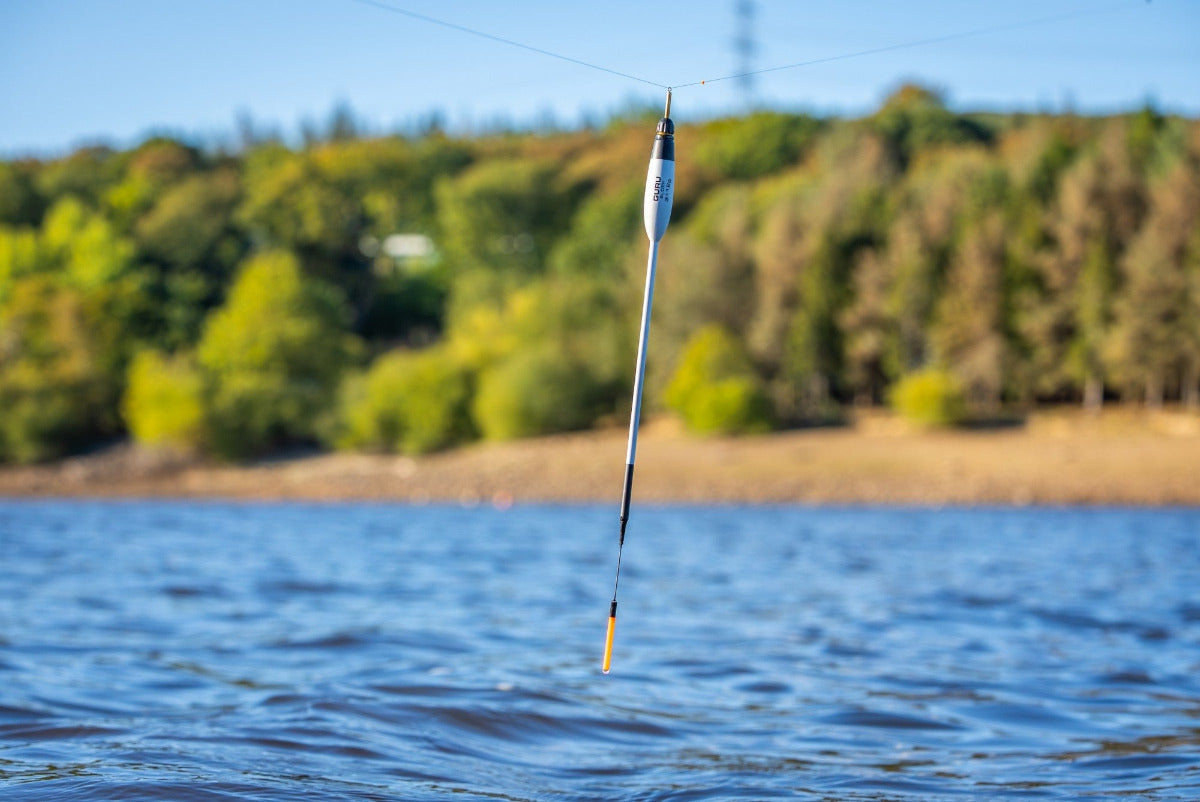
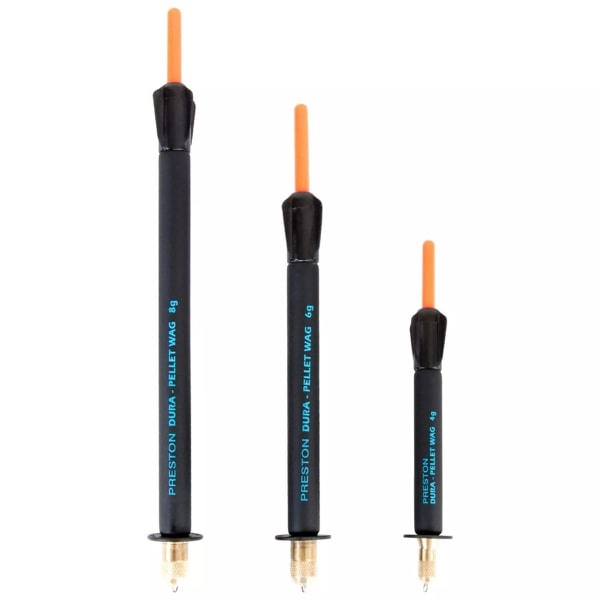
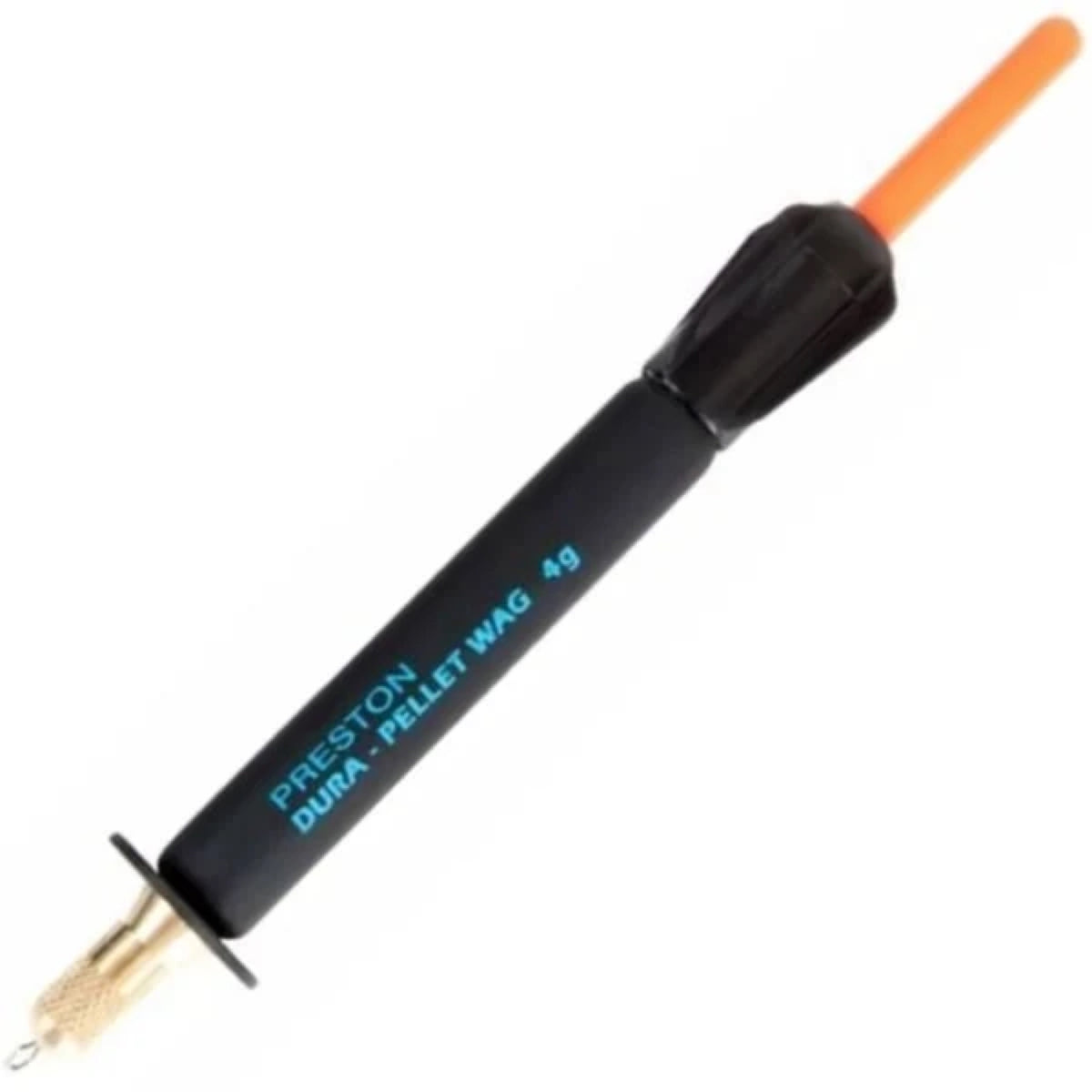
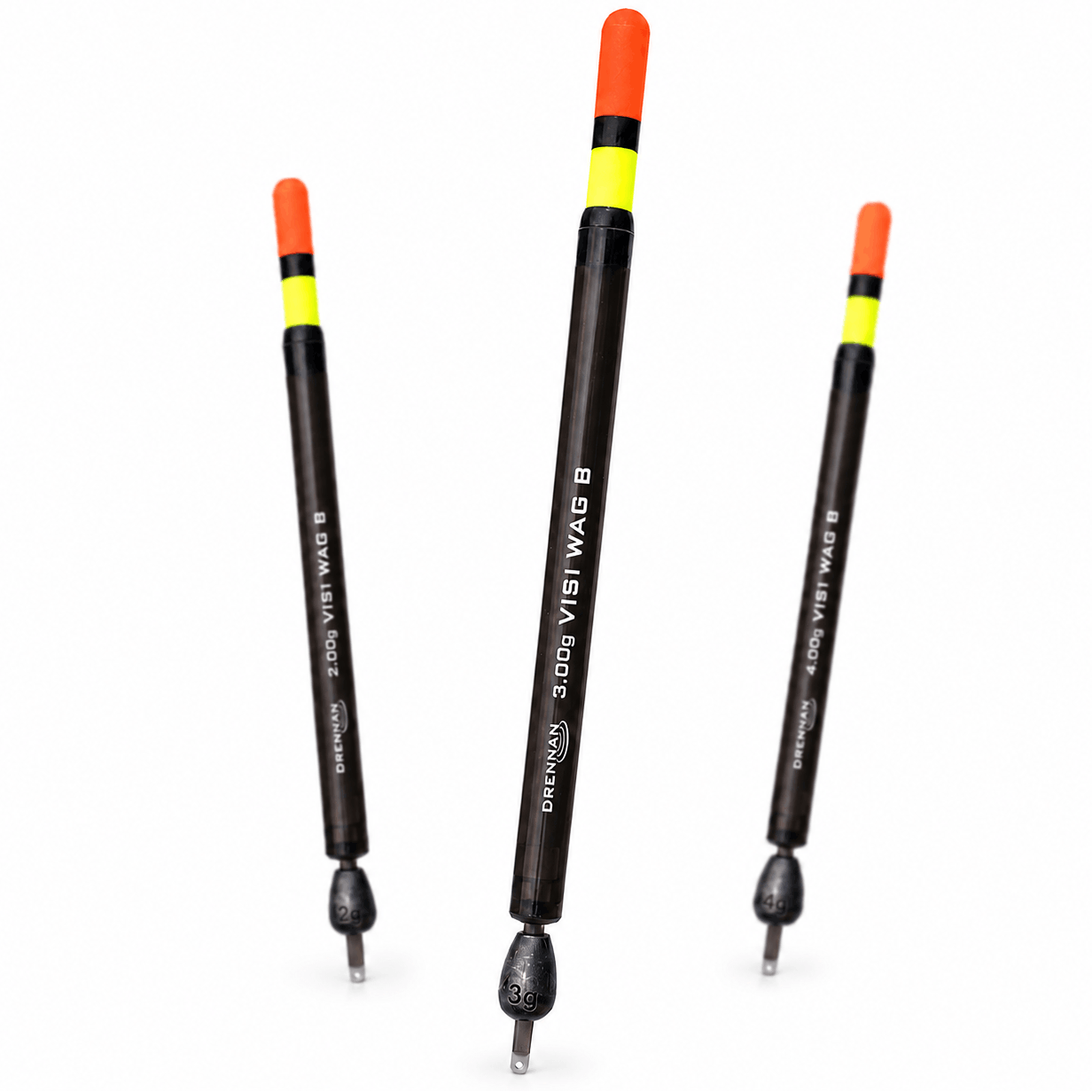
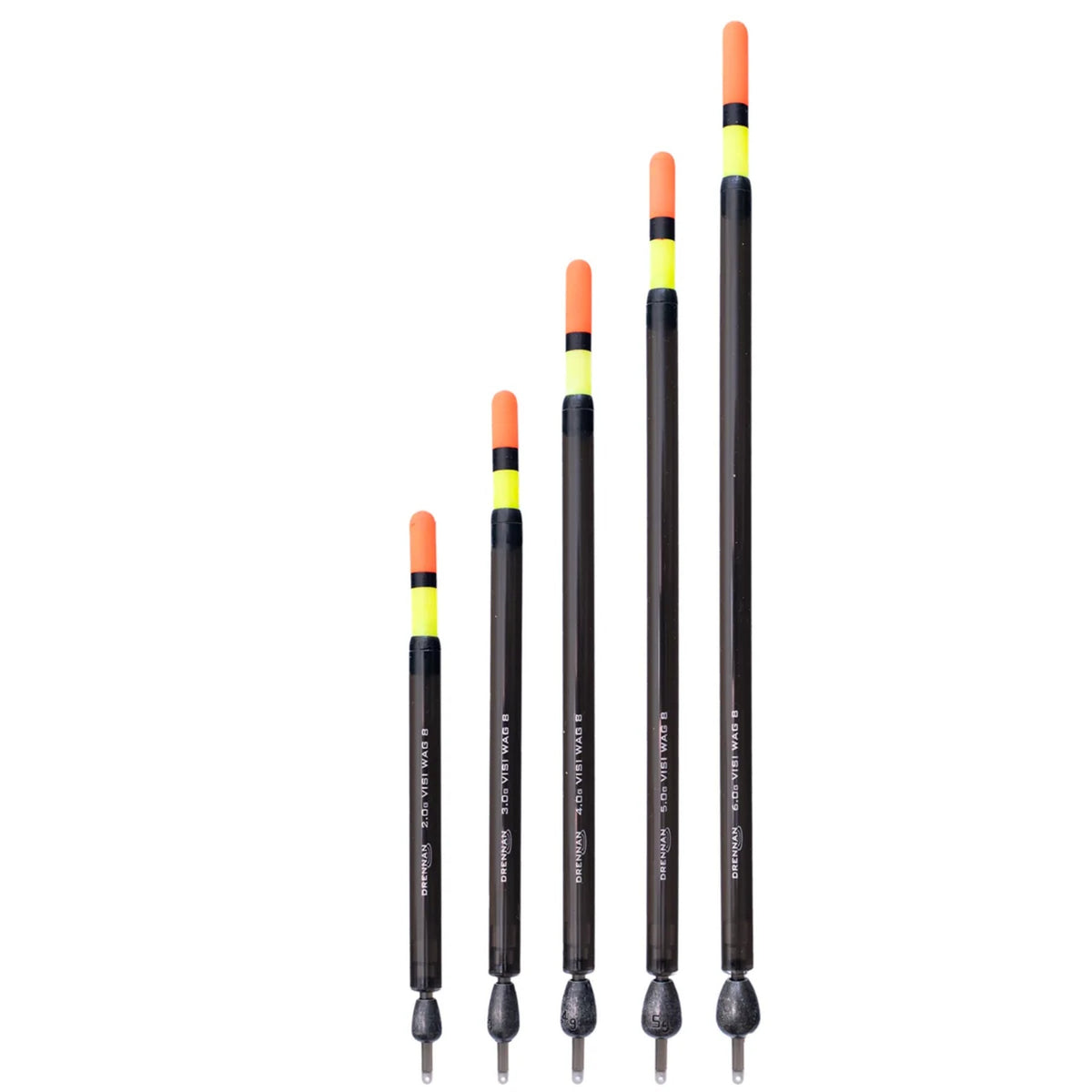
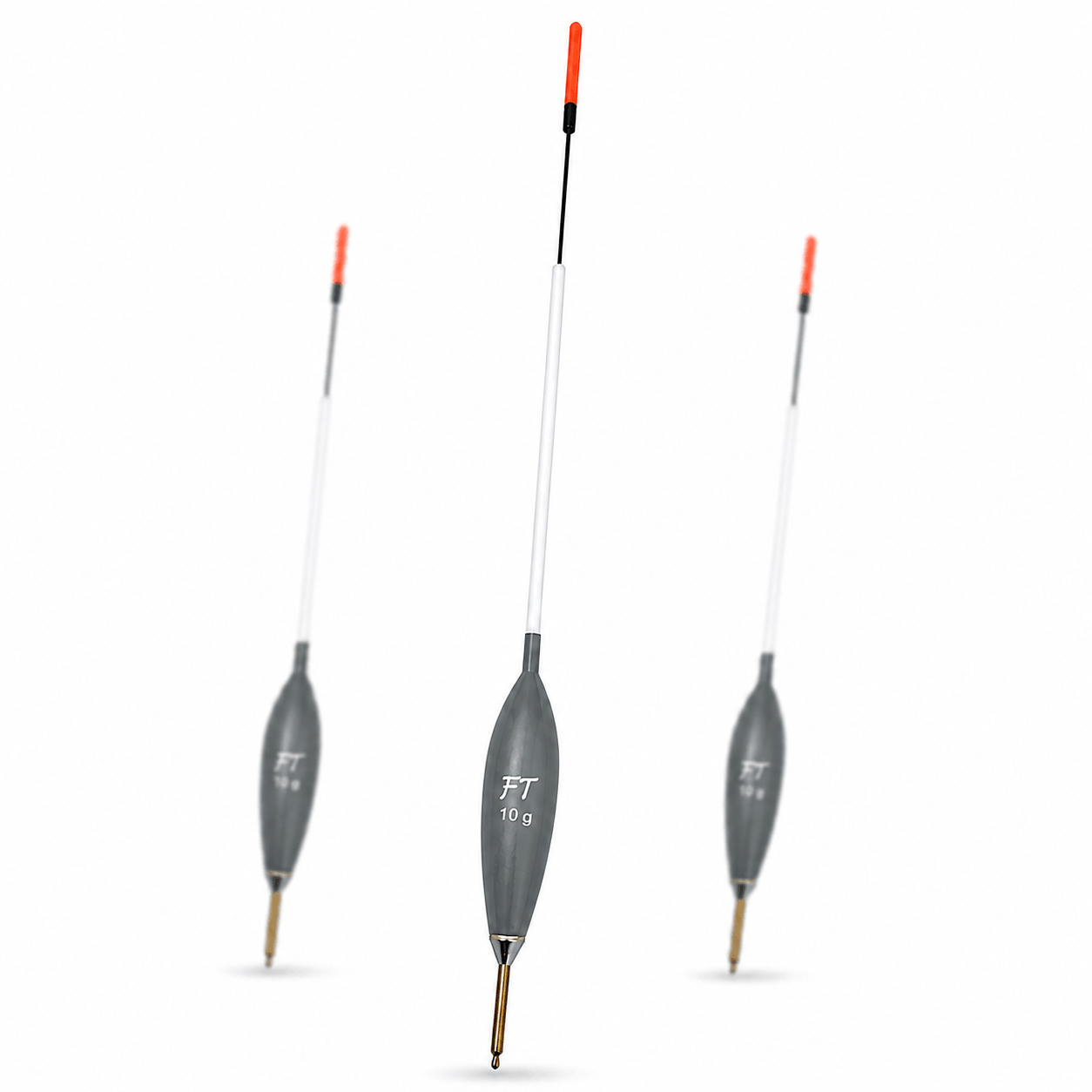
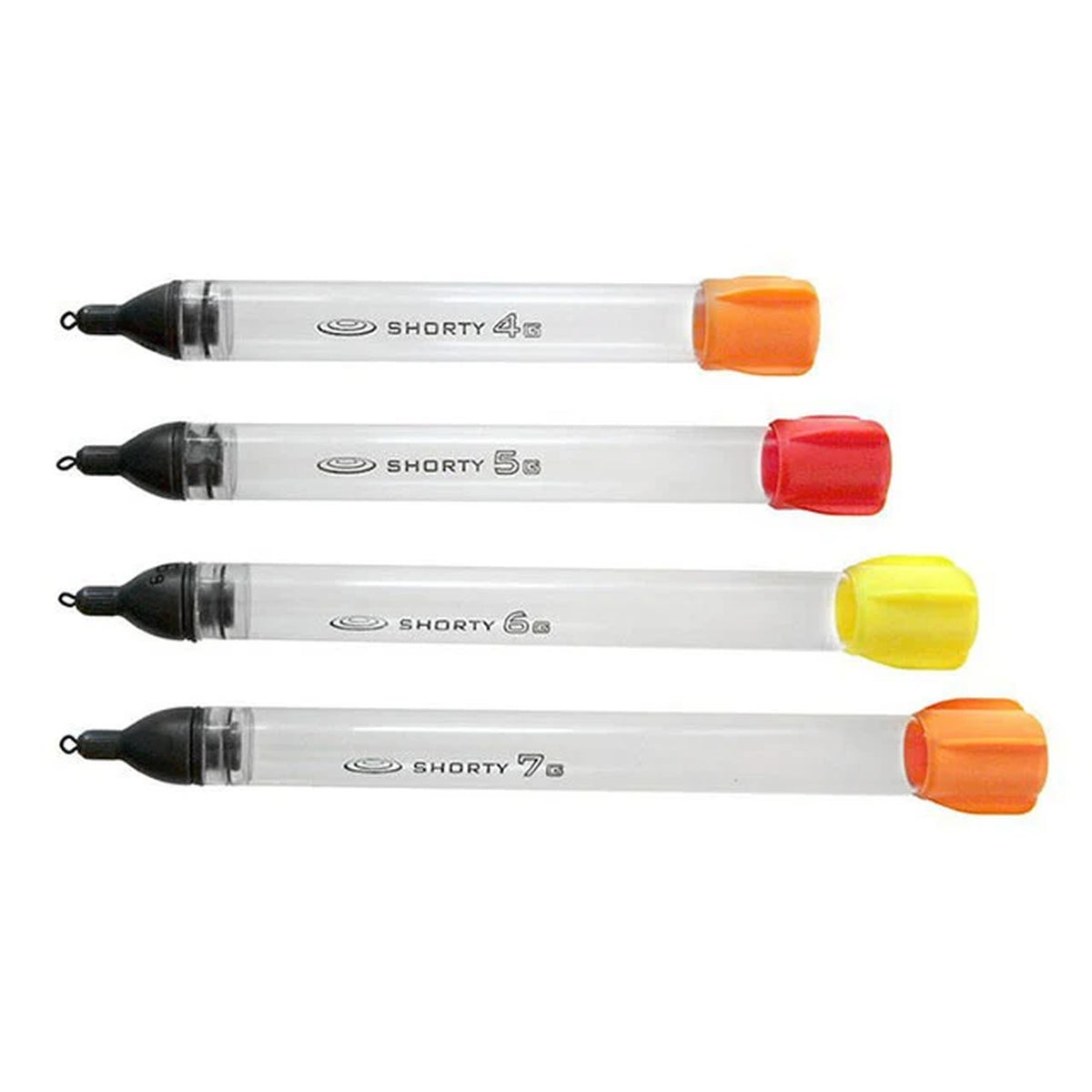
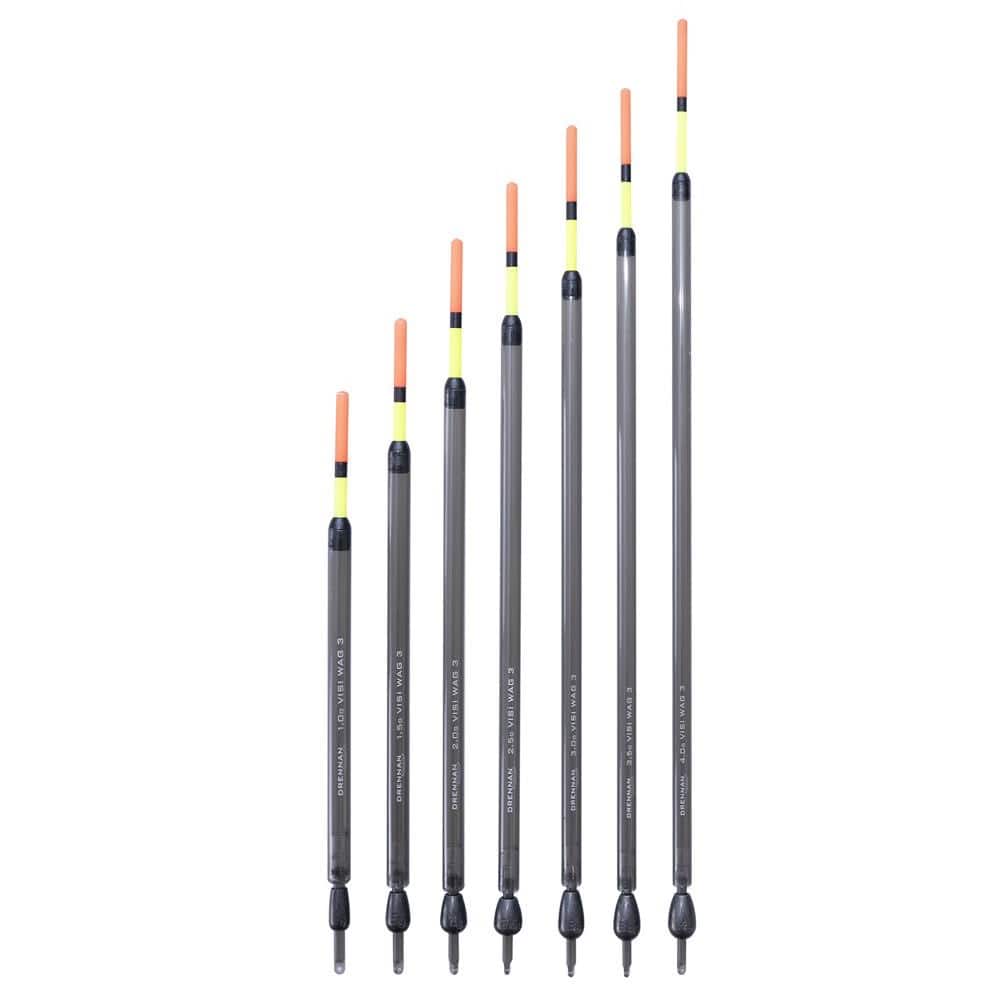
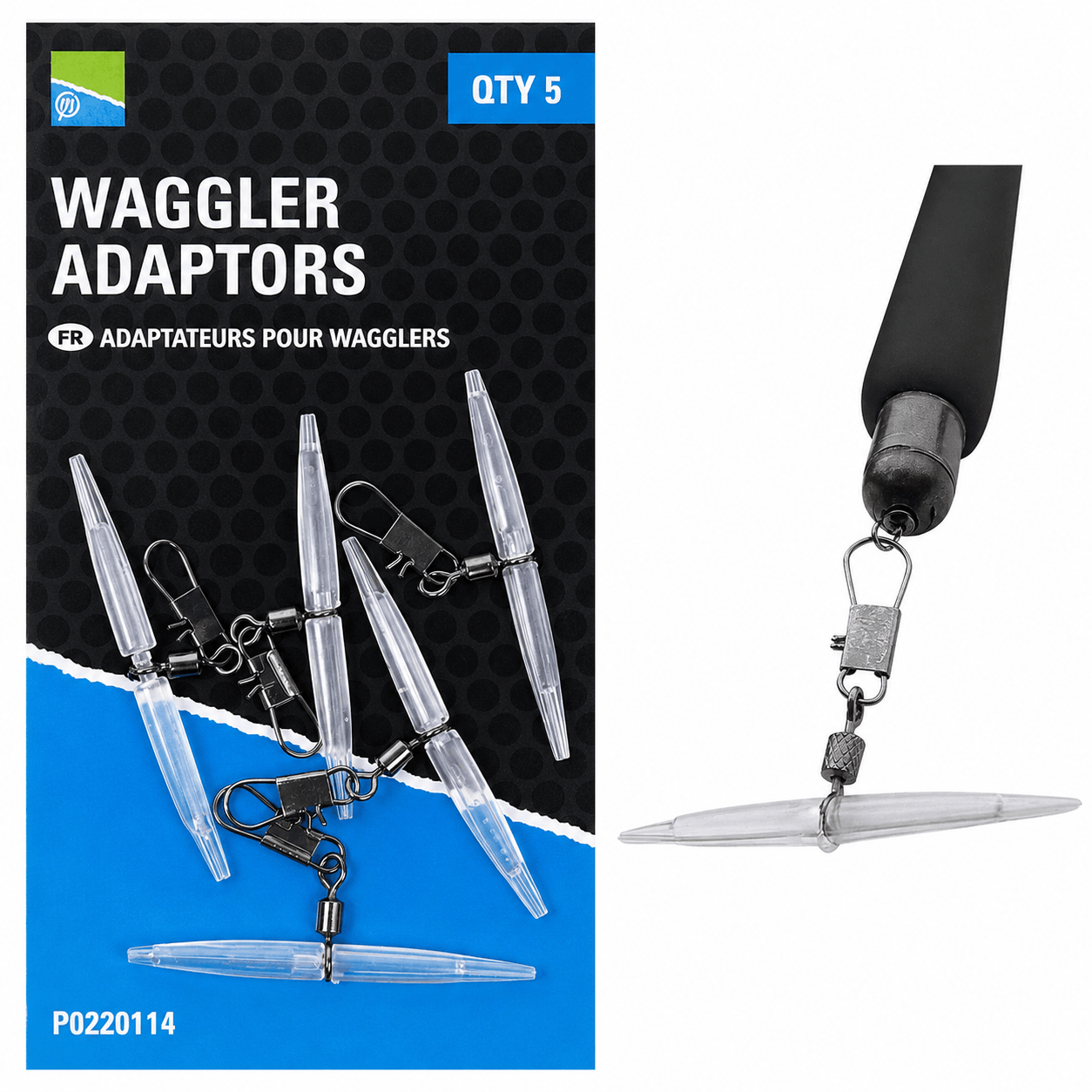
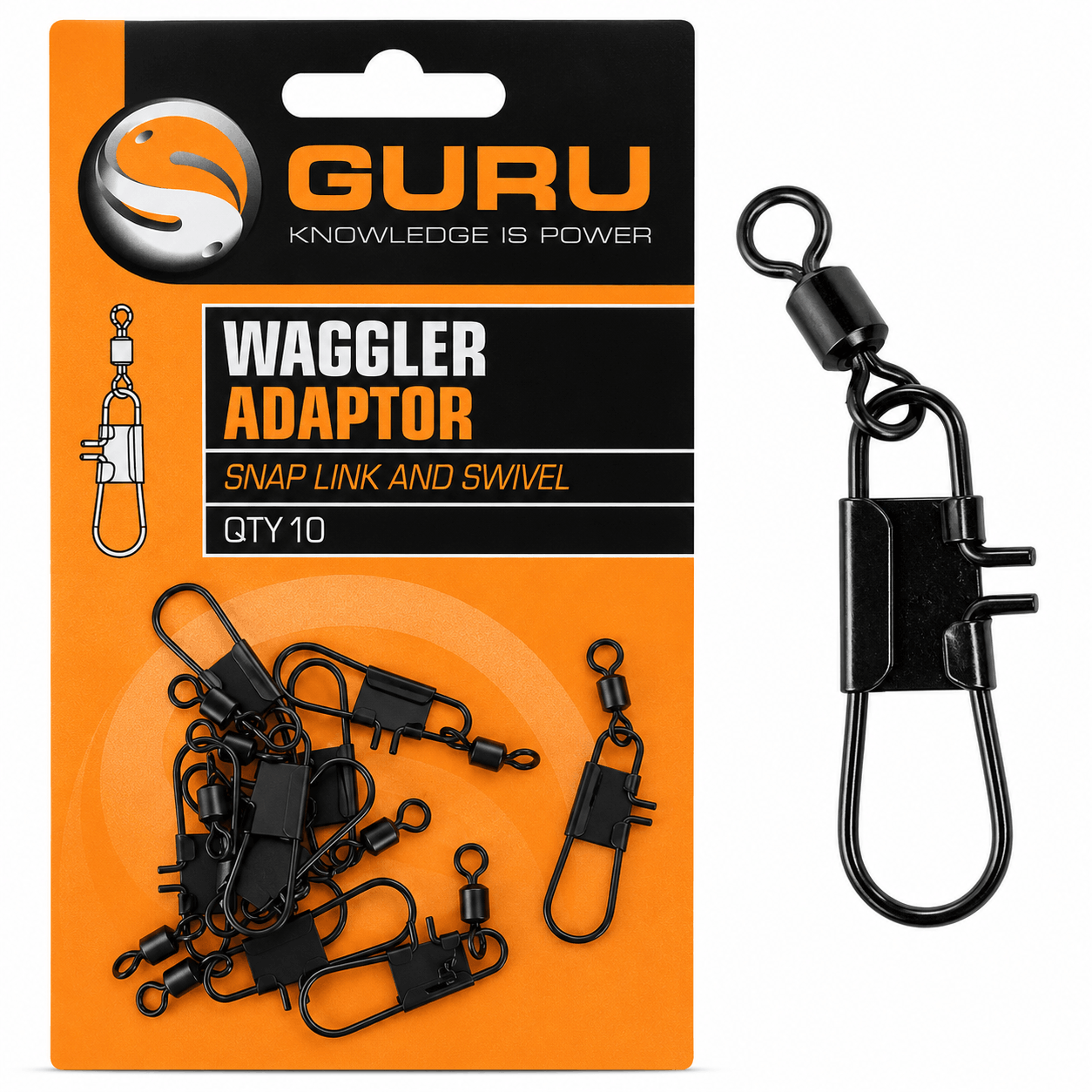
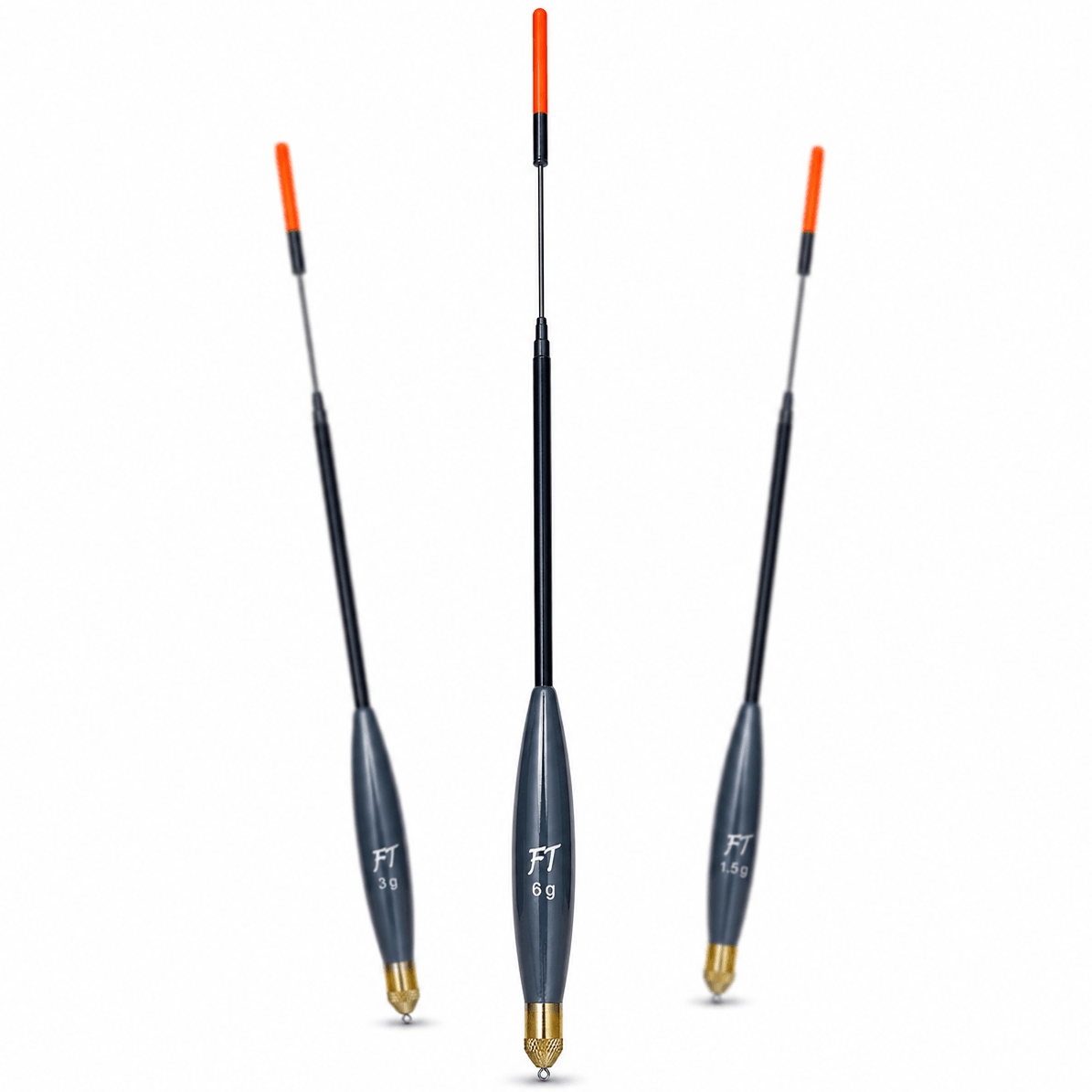
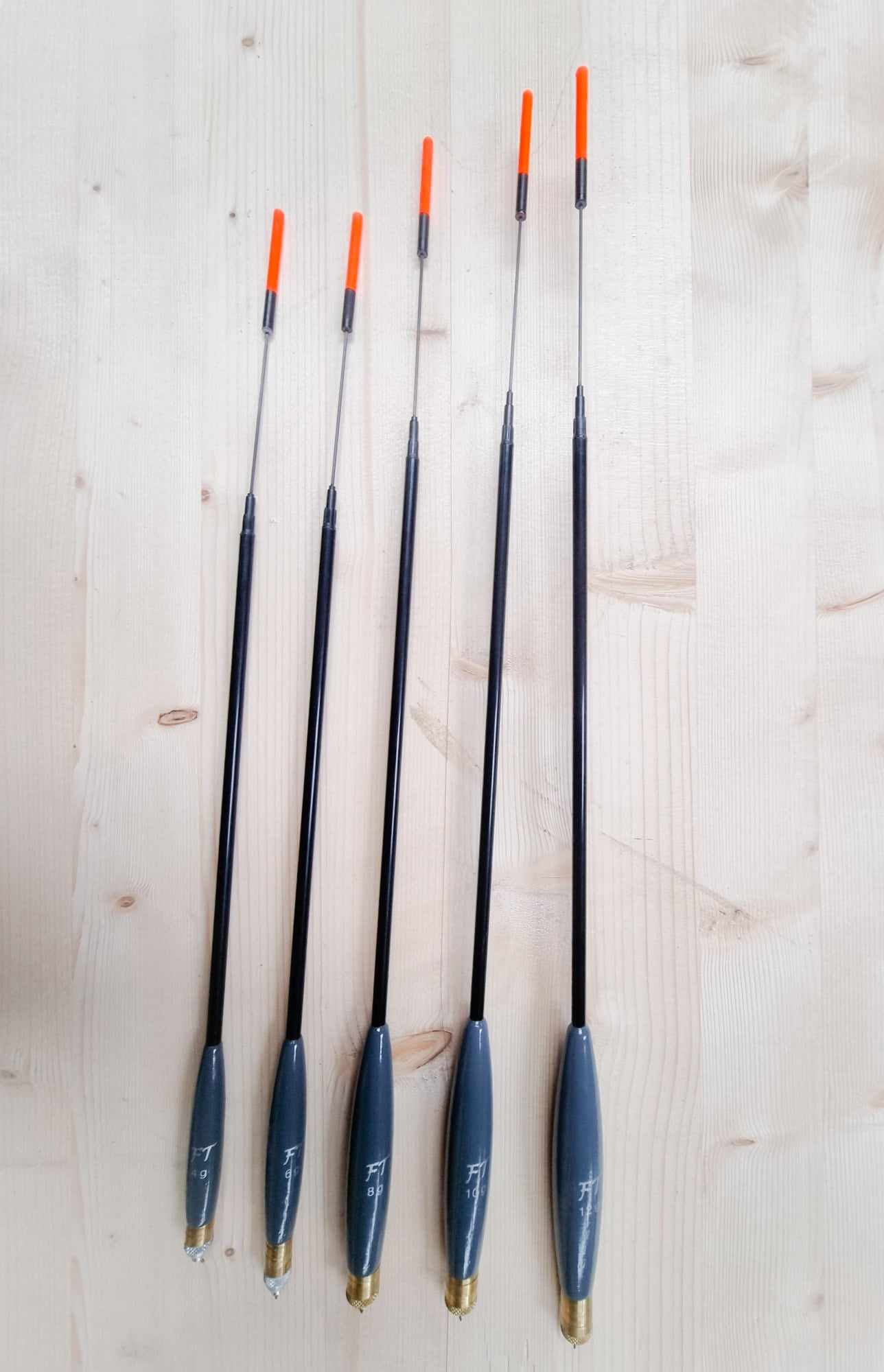
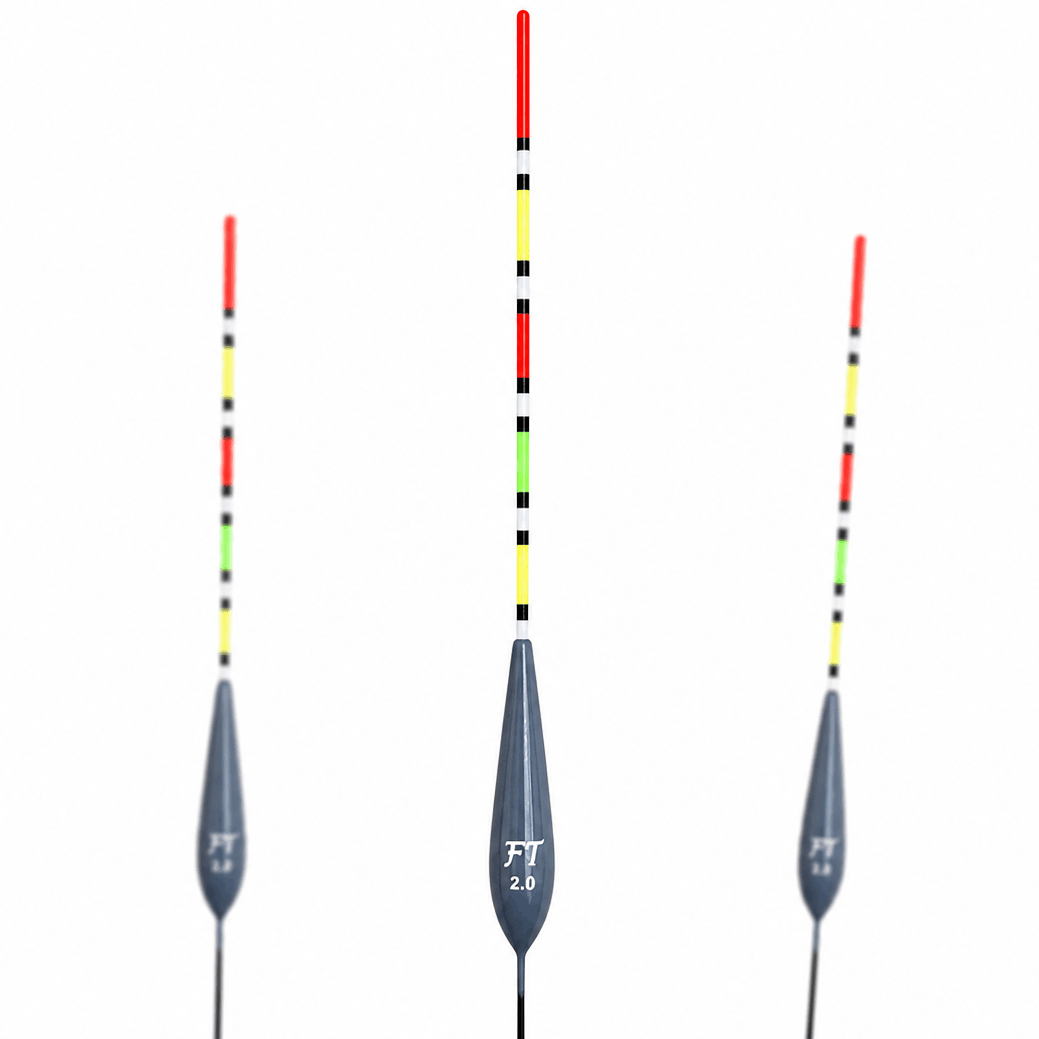
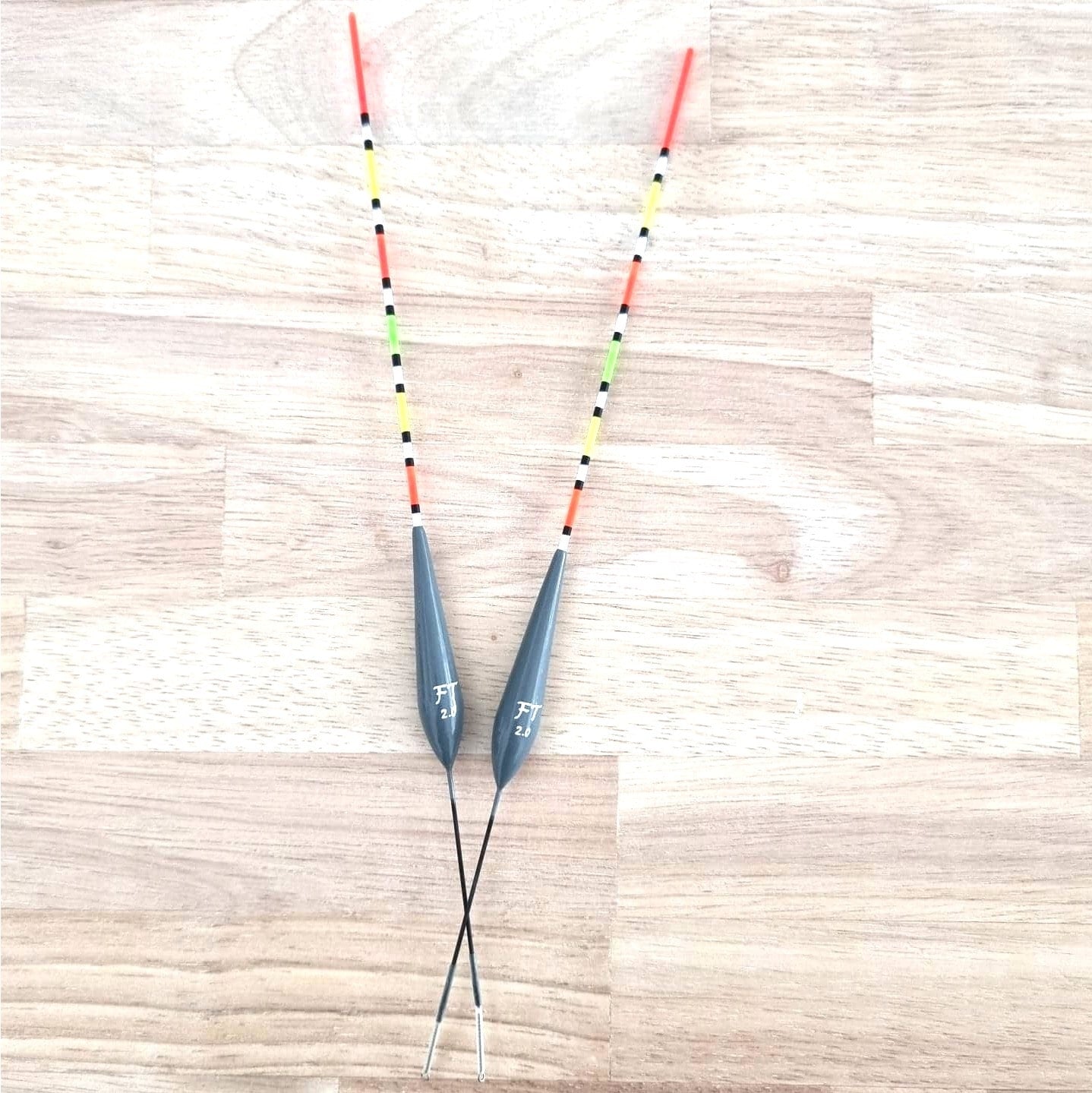
- Waggler float: these floats are versatile and suitable for many water conditions. They are a popular choice for feeder fishing because they can be used in different ways when presenting bait.
- Float inserts: float inserts are intended for sensitive and delicate fishing. They offer precise control and are often used in calm waters to detect even the slightest fish movement.
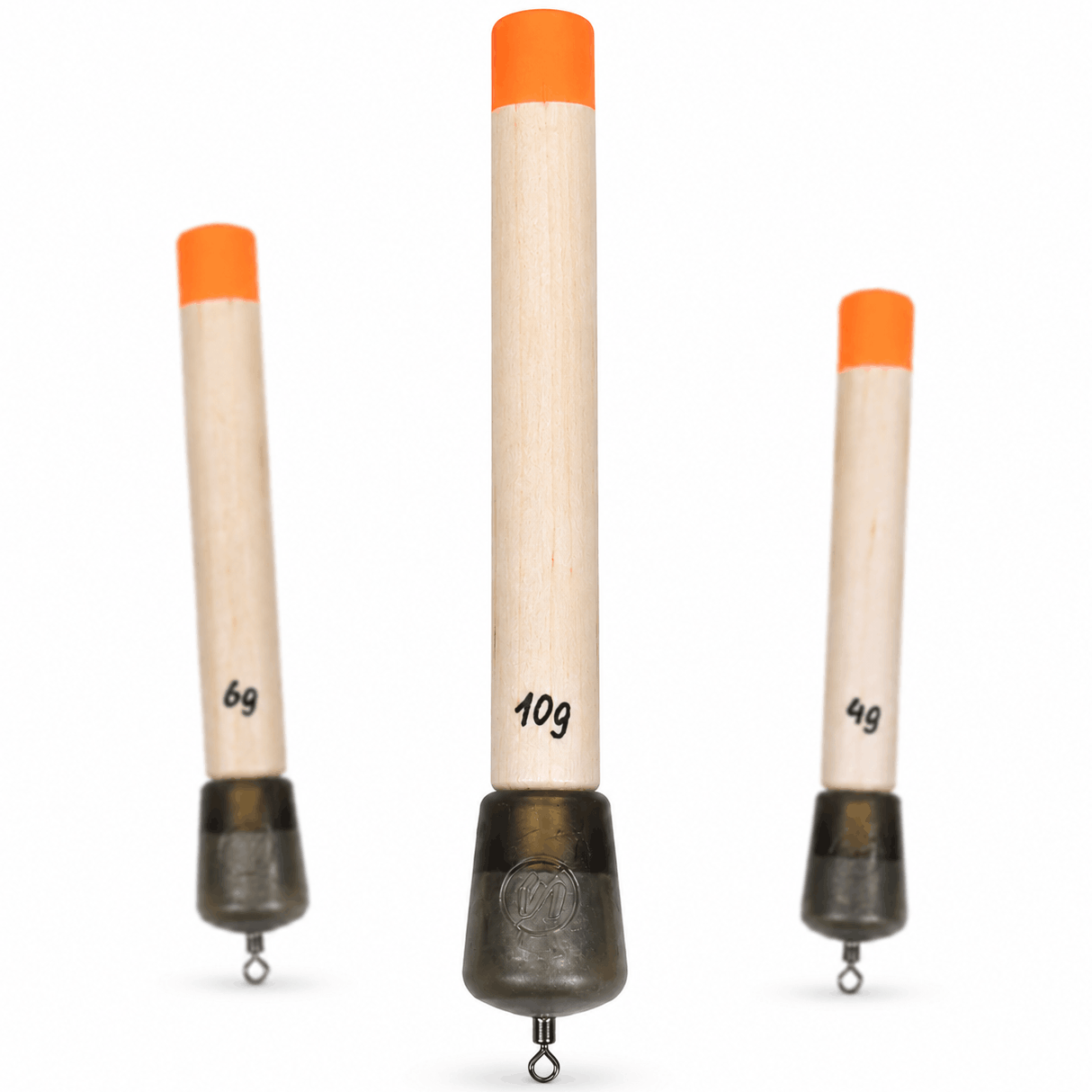
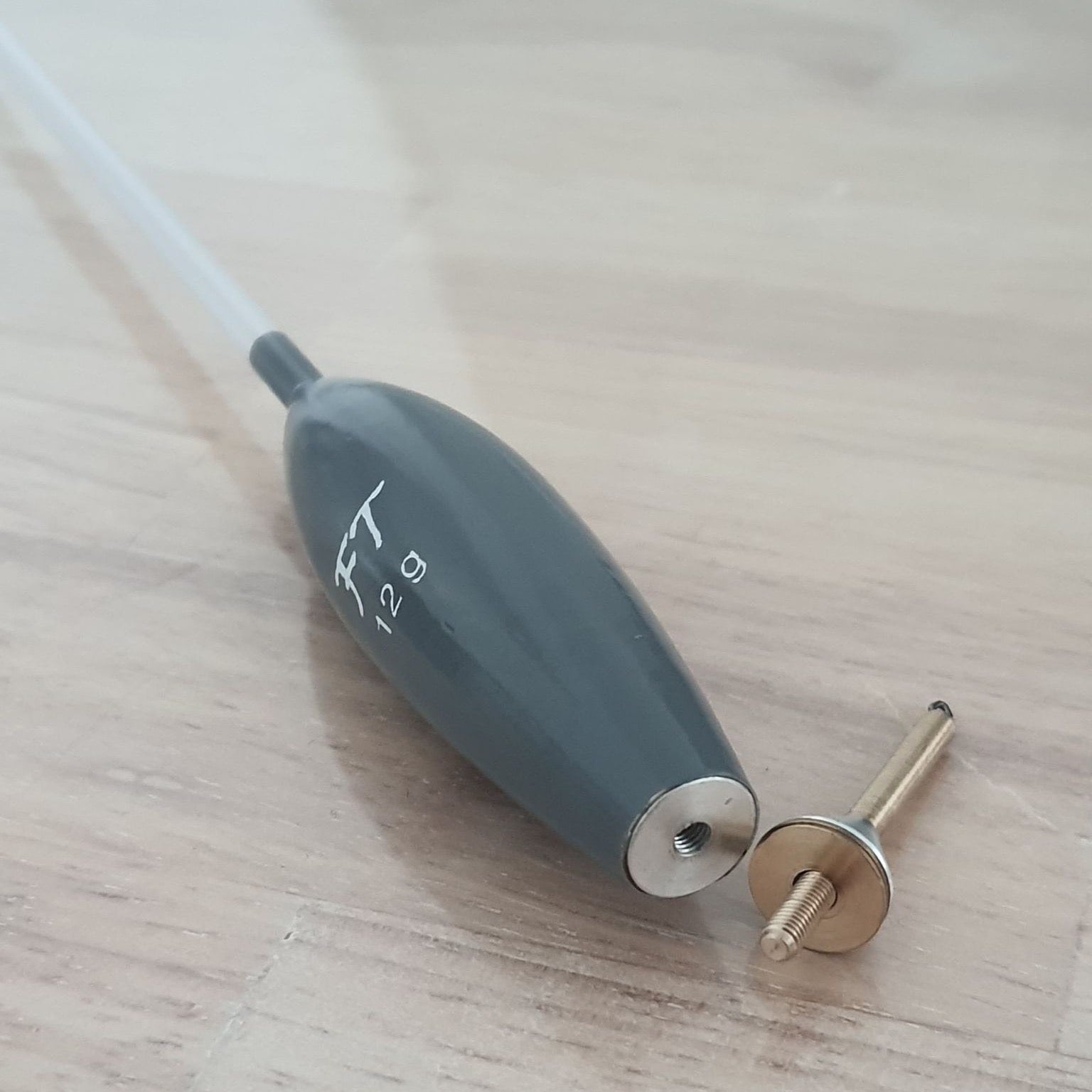
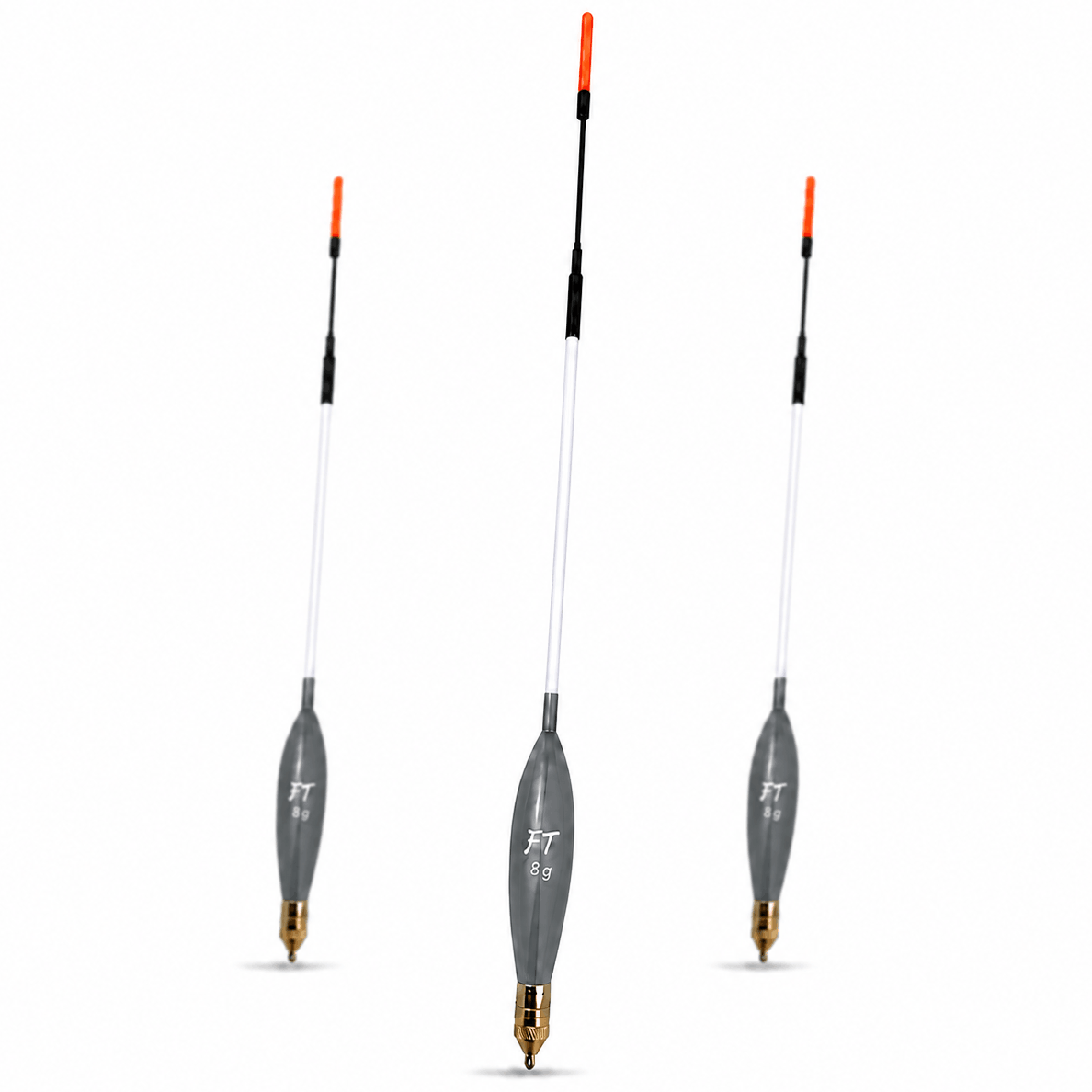
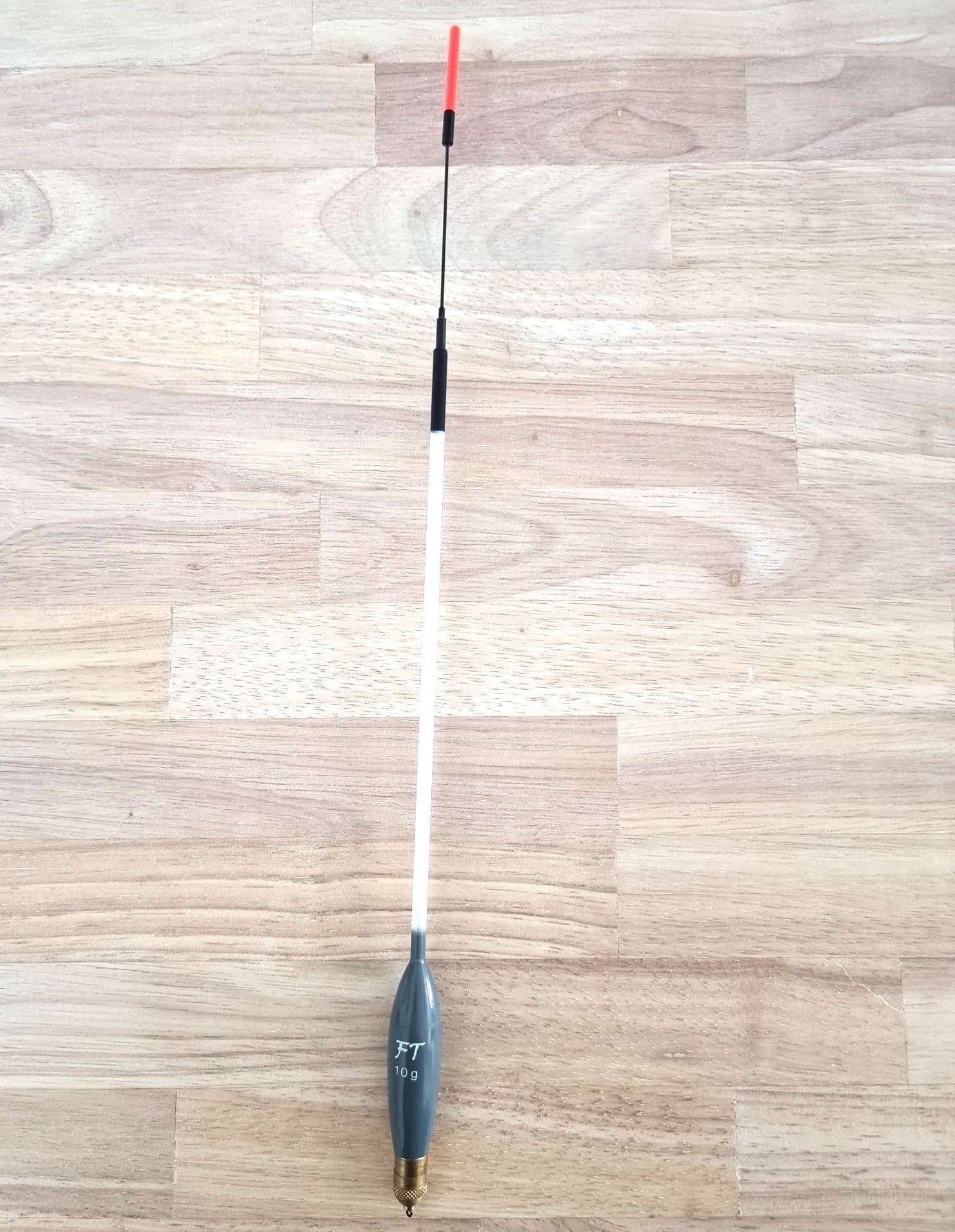
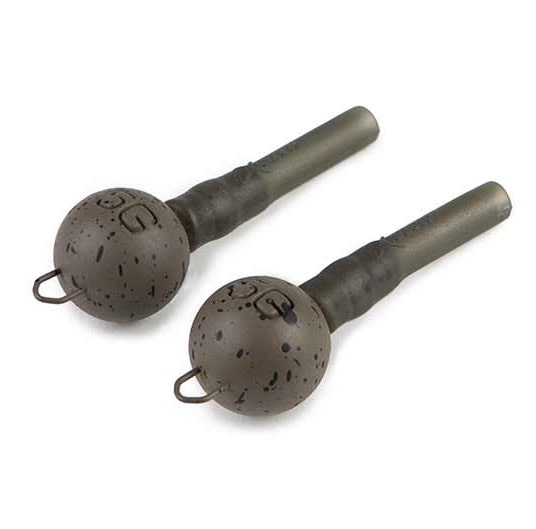
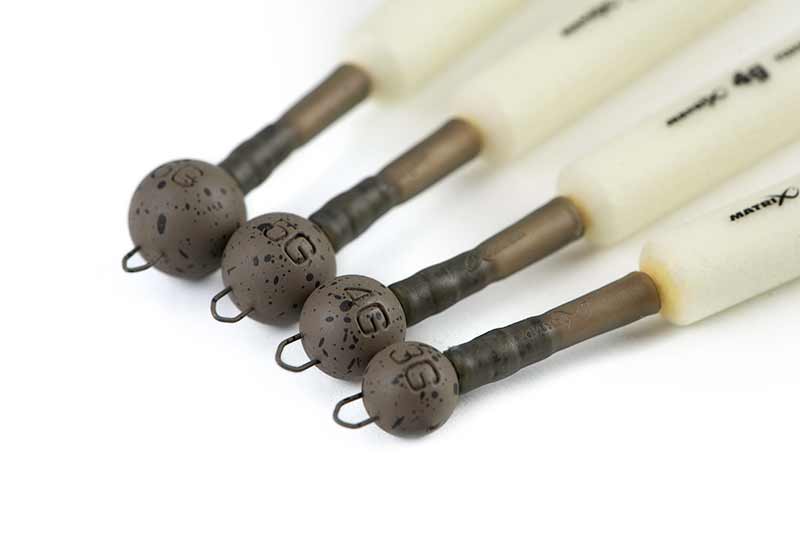
- Floats with attached weights: floats with attached weights allow for longer casting distances. They are ideal when long casts are needed or when fishing in deeper water.
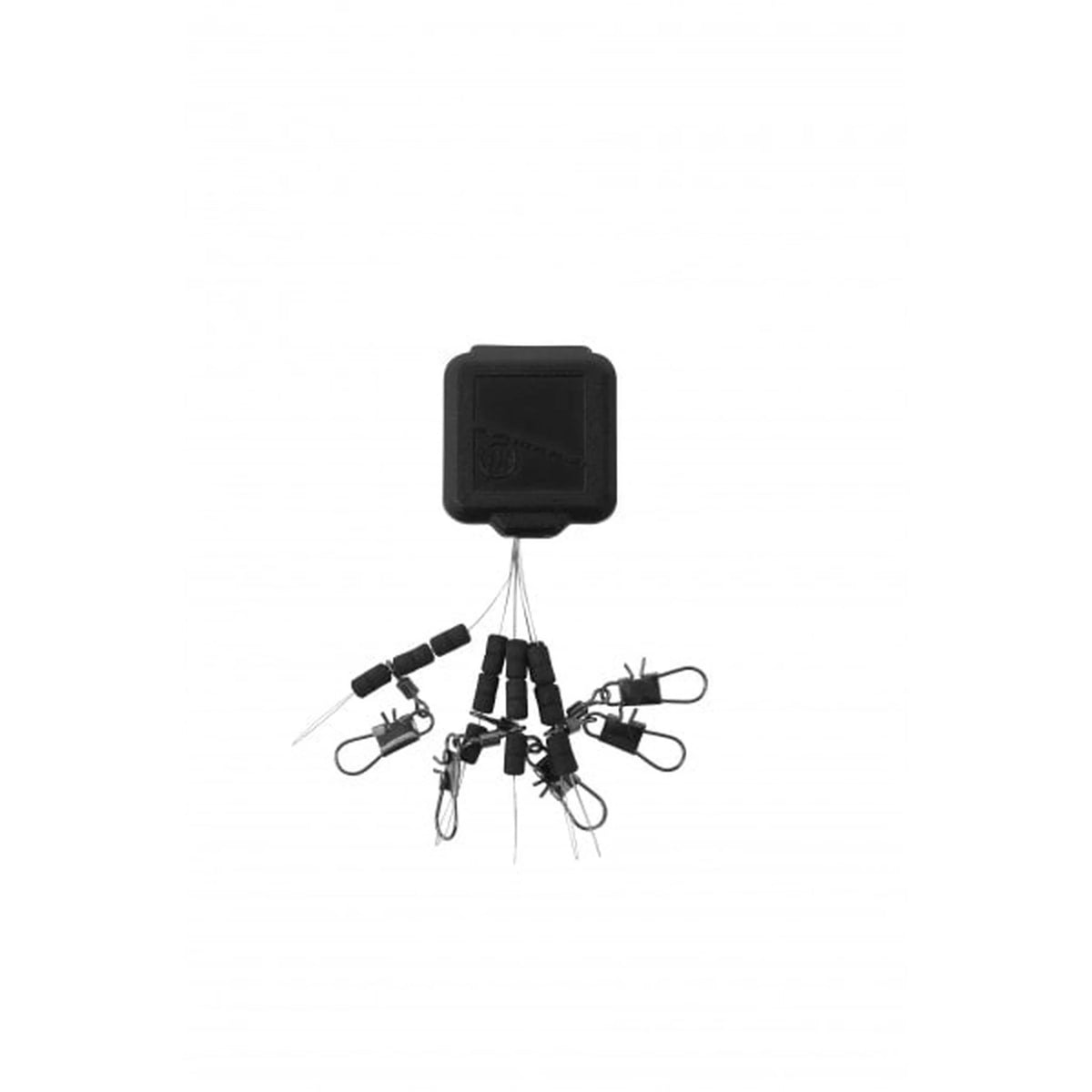
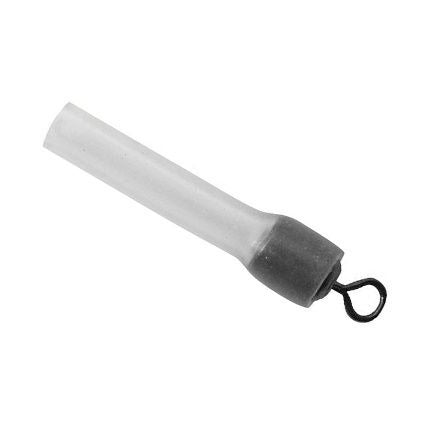
- Specialised feeder floats: specialised feeder floats are designed specifically for feeder fishing. In-line designs, for example, help minimise tangles and improve the effectiveness of the bait presentation.
Benefits of using feeder floats
Anglers can benefit in several ways from using feeder floats. First of all, floats provide a clear visual reference point, making it easier to spot fish activity. The float will move or dip in response to a fish taking the bait, indicating a possible bite. Thanks to this improved visibility, an angler can time the strike more accurately, increasing the chance of a solid hook-up.
In addition to visibility, feeder floats are also essential for bait presentation. One feature that is particularly useful for attracting fish is the ability for anglers to present their bait at a specific depth in the water. Besides keeping the bait in the strike zone for longer, this controlled depth also increases the likelihood of fish biting.
In addition, floats are excellent tools for detecting even the slightest fish movements because they are sensitive to bites. This increased sensitivity is especially useful when targeting small or cautious fish species. The responsiveness of the float allows anglers to time their strike by detecting when a fish shows interest in the bait.
Another advantage of using feeder floats is their ability to help anglers avoid snags and other obstacles in the water. By suspending the bait at a predetermined depth, floats keep the hook and bait above any snags on the lake bed or riverbank. This ensures a smoother and more enjoyable fishing experience while reducing the risk of losing tackle.
Tips for success when fishing with a float-assisted feeder
Try different float shapes and sizes to see which works best for your fishing conditions.
- Keep an eye on the depth you are fishing. Adjust the position of the float to present your bait properly.
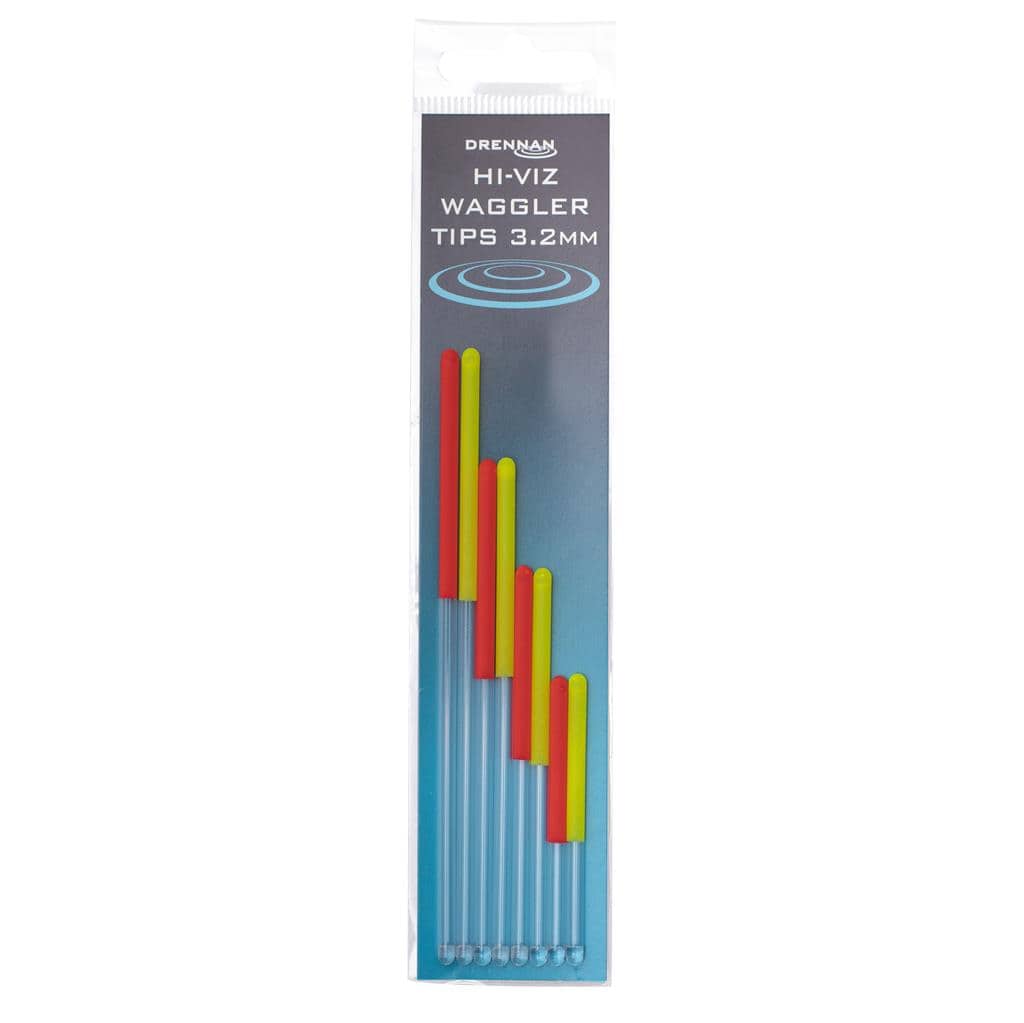
- If you are fishing at night or in low light, use floats that are highly visible or glow in the dark.
- Stay alert and patient. To hook fish successfully when feeder fishing with floats, you need to stay focused and react quickly.
In summary, using floats for feeder fishing is a method that broadens the scope of your fishing experience. Your chances of catching a range of fish species can be significantly improved by selecting the right float, setting it up correctly and understanding the waters you fish. With so many different float options available, you are sure to discover the ideal solution for your feeder fishing needs. Buy your ideal waggler and experience the thrill of feeder fishing with floats.